
Every country has its own unique belief system and language to describe happiness. Let’s take a quick trip around the world to see how other cultures seek and find happiness:
Joyous Icelanders embrace theta reddast, the belief that everything will work out in the end.
Italians believe dolce far niente, the sweetness of doing nothing.
In France, people exude joie de vivre, the joy of living.
Chinese xing fu is the art of finding your purpose.
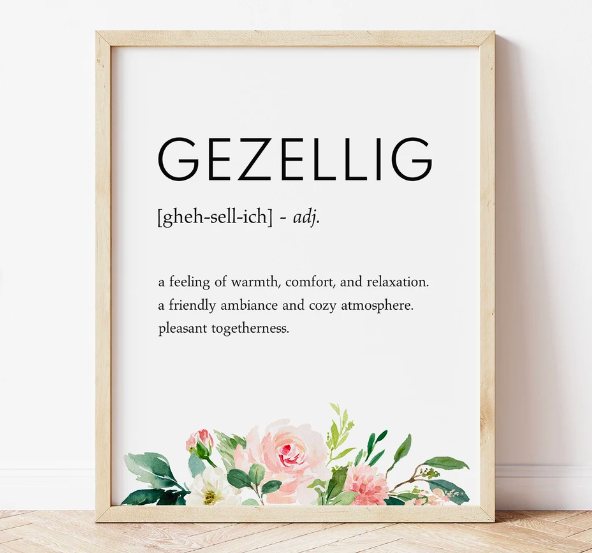
The Dutch celebrate Gezellig, time spent with loved ones in a convivial and cozy atmosphere.
Germans believe in ruhe, finding peace and quiet.
And then there are the Scandinavians–the Danes known for hygge, the art of creating comfort and coziness and the Finns who value sisu, having the psychological strength to overcome extraordinary challenges.
Some countries have embedded happiness into their political and economic systems. Bhutan measures Gross National Happiness instead of GDP based on four pillars: ecological sustainability, preservation and promotion of a free and resilient culture, good governance and equality before the law, and sustainable and equitable socio-economic development.
I think North Americans could learn much about happiness from these other cultures. The ones that resonated most with me were the sweetness of doing nothing, finding peace and quiet, and believing everything will work out in the end. Which ones resonated most with you?
If you’d like to learn more about happiness around the globe, read The Atlas of Happiness: The Global Secrets of How to be Happy by Helen Russell. The common denominator in all these cultures? The power of positivity goes a long way. Have a happy week.
 Happy Act