A career spanning decades Accumulated stress from years of working Secrets from your past
A relationship that drains you instead of filling your cup Regrets, many or few Self-doubt
Lying awake in bed worrying about your children when they’re out late at night instead of home safe in their beds Missing your children when they’ve left the nest to conquer the world on their own
So many feelings (the hard ones the hardest to let go) Pent-up guilt or resentment Inhibitions holding you back
Caring too much what people think of you Not caring enough to take action when action is warranted. Being envious of riches others have
It’s the last weeks of summer. Whether you’re planning a final road trip with the family or just looking for staycation ideas, now is a great time to visit a museum. Here is my top ten list of little museums that are perfect for a one hour or half-day stop. Be sure to check their websites for any free admission days.
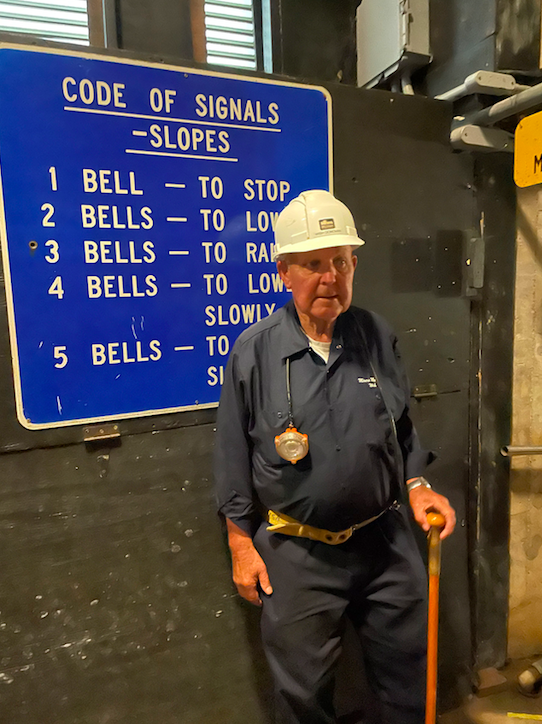
Miner’s museum in Glace Bay, Nova Scotia: while the museum itself is small, the experience is large, making this museum one of my favourites in Canada. Join a former miner as you walk down the stopes underground and learn about coal mining in Cape Breton.
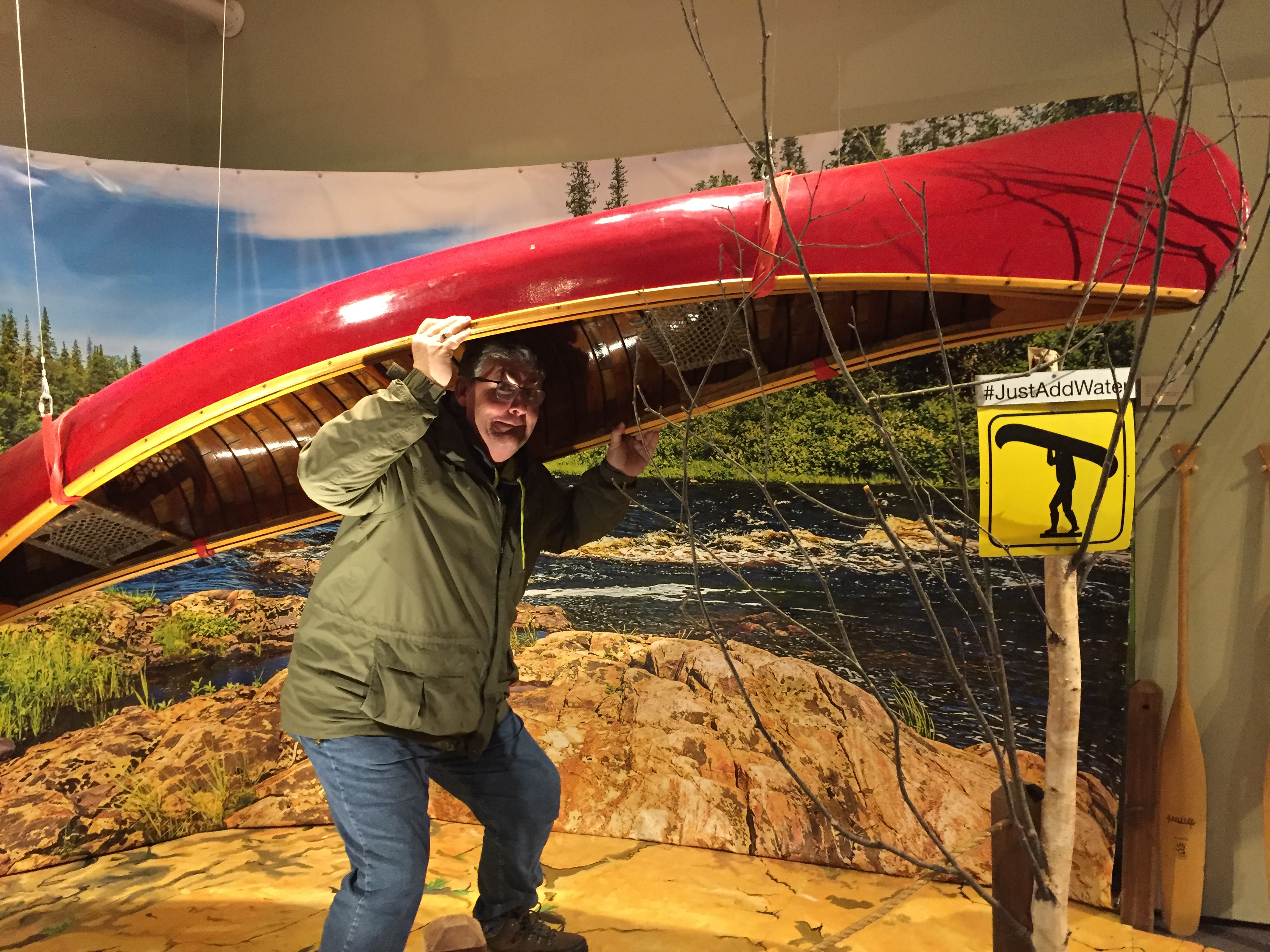
Canadian Canoe Museum in Peterborough: We visited this terrific little museum in 2020 before it expanded and relocated to the shores of the Trent-Severn waterway. I’m itching to go back to see what new treasures and exhibits are on display. You can even now spend a morning or afternoon paddling on site. Read my post An Afternoon at the Canadian Canoe Museum for the full rundown.
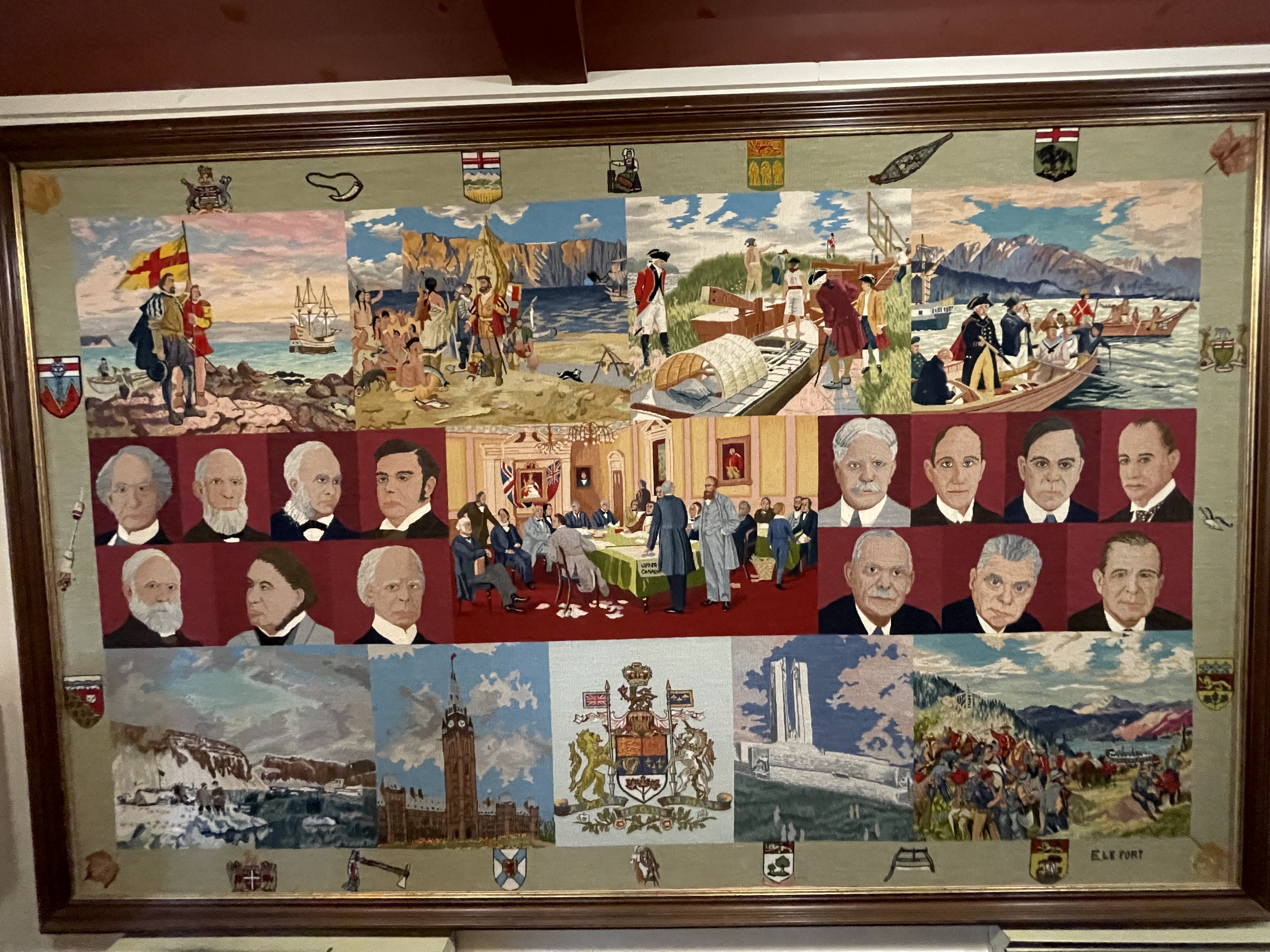
Les Trois Pignons rughooking museum in Cheticamp, Nova Scotia: located near the end of the Cabot Trail, this museum features astonishing works of art made from rughooking, the region’s specialty. It costs only $7 and you can tour it in about half an hour, making it well worth the stop.
Bata Shoe museum in Toronto: Opened in 1995 after the Bata family’s private shoe collection outgrew its home, this famous little museum has been attracting visitors for more than 30 years. Current exhibitions include the history of the cowboy boot, how crime investigators use footprints and footwear in their work, and footwear through the ages.
Toronto Holocaust Museum: Opened in 2023, this new museum on Bathurst St. north of Sheppard inspires visitors to think deeply about the tragedies of the Holocaust and make connections between the holocaust and contemporary world events and Canadian life. Montreal also has a holocaust museum. It’s currently under renovation and will reopen its doors in 2026.
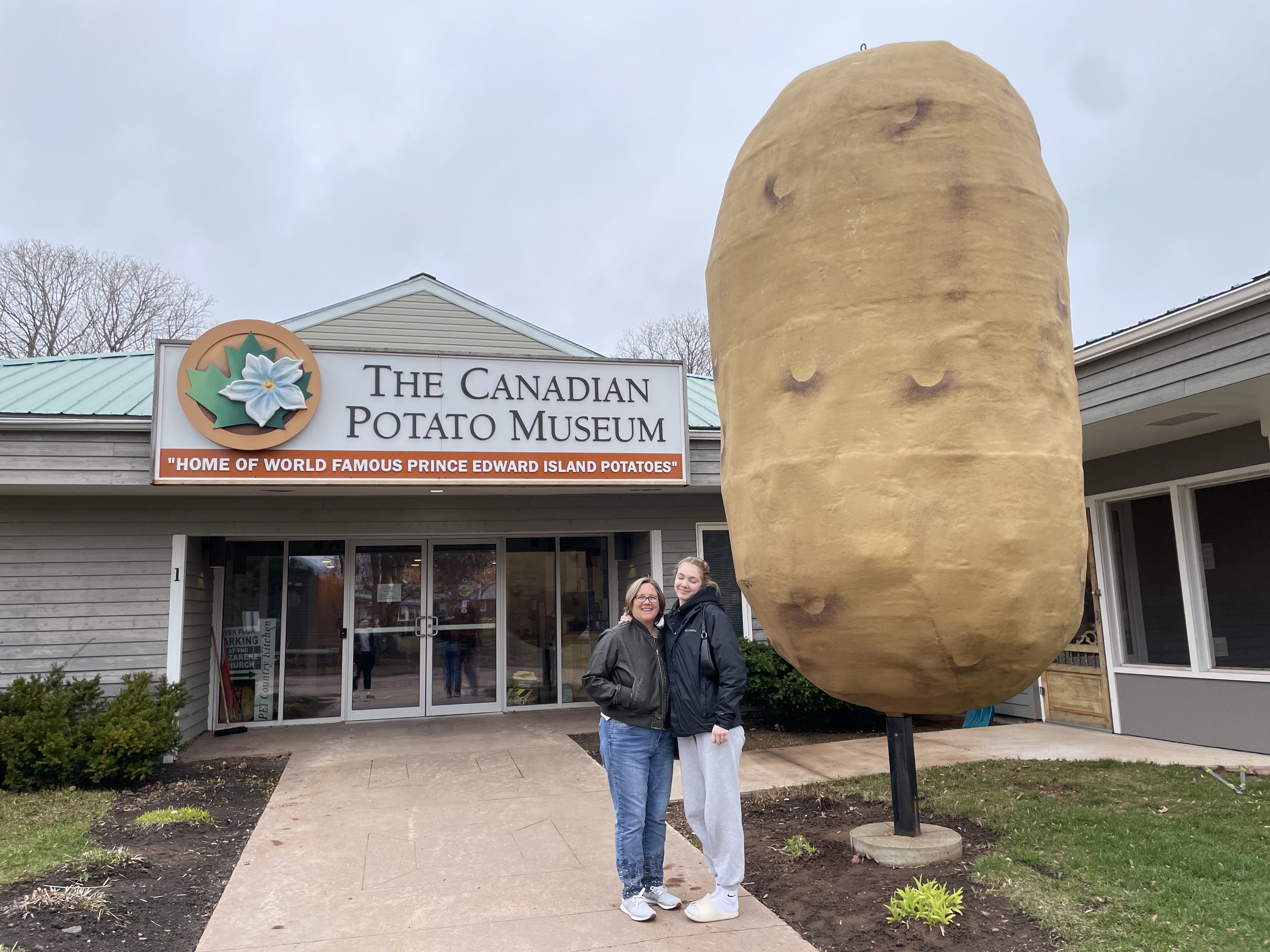
The Canadian Potato Museum in Prince Edward Island: quintessentially Canadian, we loved this little museum that celebrates PEI’s biggest export (20% of the potatoes in Canada come from PEI). Learn about how spuds are grown and their importance to the development of Canada’s smallest province and enjoy a selection of potato dishes in their restaurant. Bonus points for having one of the friendliest and accommodating staff around—our family arrived in late April when the museum was still closed, but they let us in for free and let us look around “as long as we didn’t mind the mess”.
Diefenbunker: located in Carp just west of Ottawa is a four-storey underground bunker built in 1959 by Prime Minister Diefenbaker to serve as the headquarters and communications hub during the Cold War.
Tim Horton’s Museum in Hamilton: located on the second floor of the original Tim Hortons store in Hamilton at 65 Ottawa Street, this little museum recently underwent renovations. Make sure you order a double double when you’re there.
Gopher Hole Museum in Torrington, Alberta: Touted as the “world famous” gopher hole museum, this museum is by donation and features vignettes of gophers and a gopher gift shop. You gotta see it to believe it.
Kingston Penitentiary Museum: eclipsed by the Kingston Penitentiary tours (fantastic by the way and free with the tour), don’t miss this fantastic little museum in the historic warden’s house across from the pen. Learn how famous inmate escaped and life behind bars—the perfect one-hour visit.
This week’s #HappyAct is to visit one of Canada’s great little museums. And my apologies to BC: even though I’ve been to British Columbia many times, I never visit museums because the province is so beautiful, I tend to spend all my time outdoors.
Here’s a bonus museum for when we’re all ready to travel to the States again: It’s a Wonderful Life Museum in Seneca Falls, New York. Still under renovation, plan to visit this wonderful little museum in the future. Read my Lessons on Life and Happiness from the museum.
Photos: above: Dave holding up a canoe at the Canadian Canoe Museum. Below: our guide at the Miner’s Museum in Glace Bay; Clare and I in front of the Canadian Potato Museum this spring; one of the incredible rughooking works of art of Confederation at Les Trois Pignons rughooking museum in Cheticamp, NS.
Let me clarify. A “stupid friend” is not someone who is stupid. A “stupid friend” is a friend who knows you and loves you well enough to tell you when you are doing something stupid.
Mine was a silly little thing. My best friend Leslie and I were buying souvenirs in Scotland. I wanted to get a tartan pencil and grabbed one at the cash to include with Leslie’s purchase. We asked how much it was as the sales clerk was ringing it in and the clerk said “Two pound 99”, which would be just shy of $6 in Canadian funds. For a pencil! I nodded my head and handed Leslie the money.
On the way out of the store, Leslie said that was stupid, you shouldn’t have bought that. She was right of course. Later that day, I saw a set of four pencils for 75 pence, about $1.50.
I wish I had been a better stupid friend the other day when a friend of mine who wasn’t feeling well decided to play golf in this sweltering heat. He had to leave the course when he started feeling dizzy and weak. If I had known what he was going to do, I would have told him he was stupid to play golf in this weather.
A stupid friend will always look out for you and want what’s best for you. They can be a voice of reason, the perfect foil, or a person who balances you out, the yin to your yang. They are the very best and truest of friends because they are always there when you need them, especially when you are your own worst enemy.
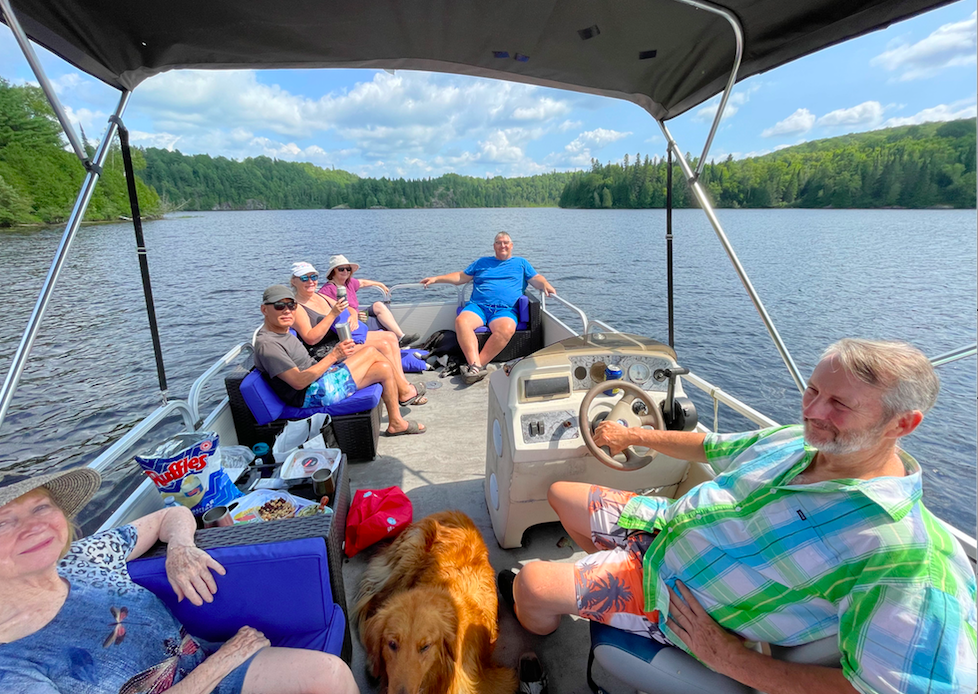
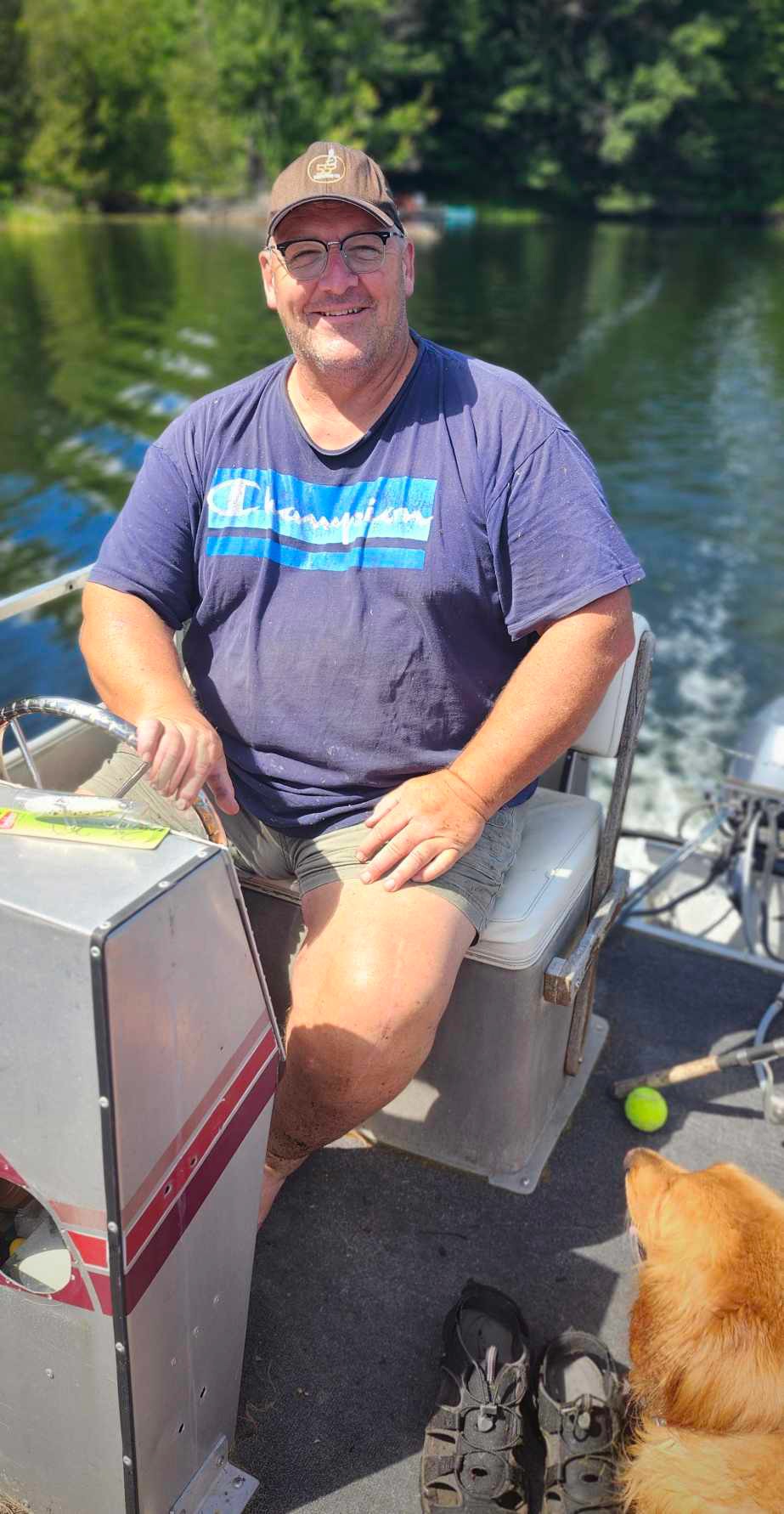
We have a new ride these days, a pontoon boat. Everyone is loving it, from the kids to the dogs, garnering Dave a new nickname, Captain Dave.
Since they were first introduced, pontoon boats have channelled the ultimate party vibe. Step onto the astroturf, get your koozie, let’s go.* You can fish, swim and tube off of them, or just sit back and enjoy the ride.
There is one cottage couple on our lake who take a nightly sunset tour on their pontoon boat, waving regally in the breeze to their neighbours on their docks and decks as they putter along the shoreline.
The pontoon boat is a relatively new invention. It was designed in 1952 by a rural Minnesota farmer named Ambrose Weeres who tied a wooden deck to two aluminum cylinders. He started manufacturing his invention, and the rest, they say is history.
When I was a teenager, I spent many of my summers up at friend’s cottages. Pontoon boats hadn’t made a splash yet on Ontario lakes in those days. It wasn’t until the early 2000s when boat manufacturers starting revving up the horsepower that pontoon boats became all the rage.
All of a sudden, pontoon boats started replacing high-powered speed boats on Ontario’s waterways. Now it seems the only people with speedboats are waterskiiers and fishermen. Today, more than 50,000 new pontoon boats are sold each year in the US.
Pontoon boats are great for many reasons. For people with accessibility issues, they provide a safe, stable means of getting out and enjoying the water. You can have a conversation on a pontoon boat, as opposed to yelling over the motor in a speedboat. They are also highly practical since they can carry large loads of people and items for cottagers needing to barge supplies across the water.
That’s all wonderful, but let’s face it, it’s the vibe of a pontoon boat that is irresistible.
Whether it’s the gentle breeze blowing in your hair, the lure of the perfect cast and catch at dusk, or simply enjoying a laugh and smile with friends and the people you love on the water, a pontoon is the ultimate summer ride.
The best months of summer are upon us. This week’s #HappyAct is to make some waves and catch some rays and party in the open on a pontoon.*
*Lyrics from Little Big Town’s 2012 hit, Pontoon
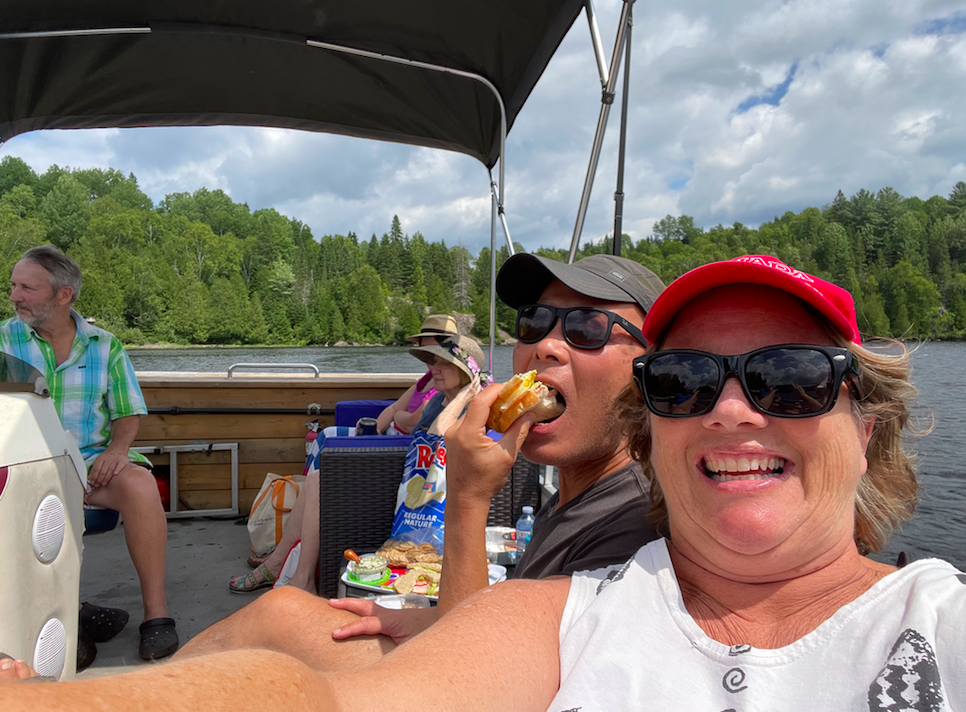
Pictured above: Partying on the pontoon last weekend at our friend Libby and Murray’s cottage; Below: Captain Dave, the girls, and Grace and me on our pontoon.
I just returned from a glorious two-week vacation to Scotland. You can’t visit Scotland without visiting some castles (some call it an “ABC” tour—“Another Bloody Castle”) and we toured several, including one yacht, the Royal Yacht Britannia.
In Europe, there are two kinds of castles: fortresses that served as settlements and outposts built for military reasons to keep out invaders, and castles typically built later in the 1700s and 1800s as grand estates. The last time I visited Scotland in the 80’s, I was very fortunate to have a private tour and tea at one of these grand estates, Brodie Castle in Forres.
The allure of a castle is hard to resist. History, mystery, intrigue and magnificent architecture, set at a stunning location. As you walk on the grey cobbled stones that have stood the test of time, close your eyes and you are transported to a time when royals reigned, nobles ruled and servants sweltered and swept in bustling constant motion. Throw in some dungeons, tales of valour, deceit and death, and ghosts, and the enchantment is complete.
Here were some of the castles we visited this trip:
Dunnottar Castle in Stonehaven: the hike to this castle from the picturesque seaside village of Stonehaven is stunning, along sea cliffs and farmers fields with flowing grasses and sheep and cows grazing. Perched on a 160 foot high rock and surrounded on three sides by the North Sea, the castle itself is largely ruins, but you still get a feel for the settlement that once thrived on the site. William Wallace attacked an English settlement in 1297 here.
Eilean Donan Castle near the bridge to the Isle of Skye: built in the mid thirteenth century on an island, this is one of the most photographed castles in Scotland, next to Urquhart Castle on Loch Ness. Just as we were leaving, two stealth fighter jets flew over the castle at the speed of sound, leaving us breathless. Pro travel tip: we arrived later in the day when the ticket gate was closed so were able to wander around the grounds for free.
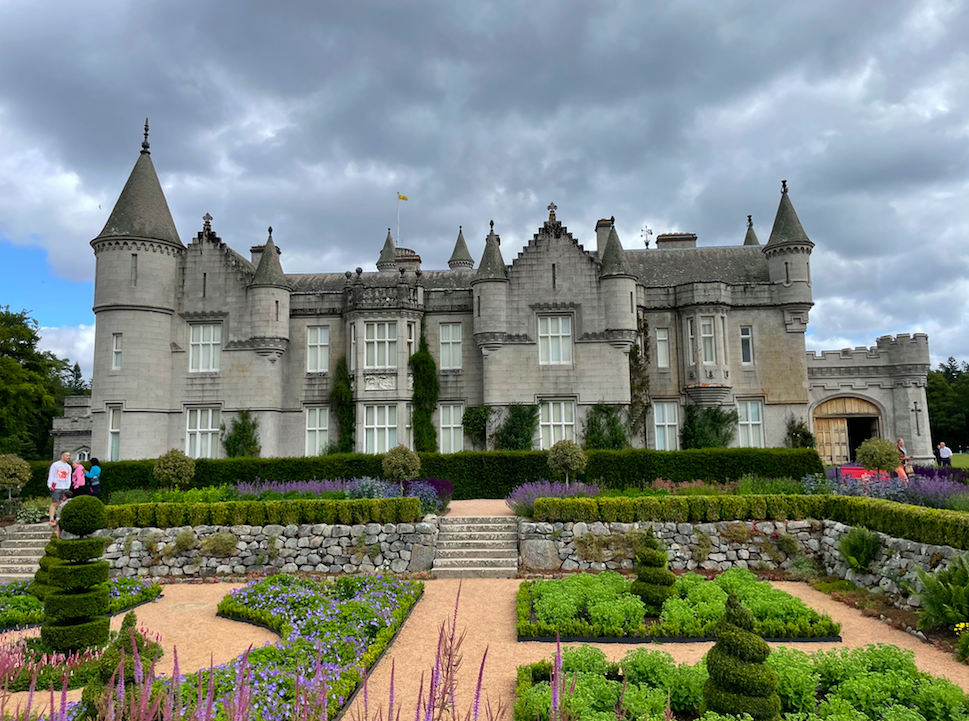
Balmoral Castle, in Cairngorns National Park (pictured at top). The Scottish vacation home of the Royal Family, this 55,000 hectare park features the royal residence, gardens and acres and acres of rugged parkland.
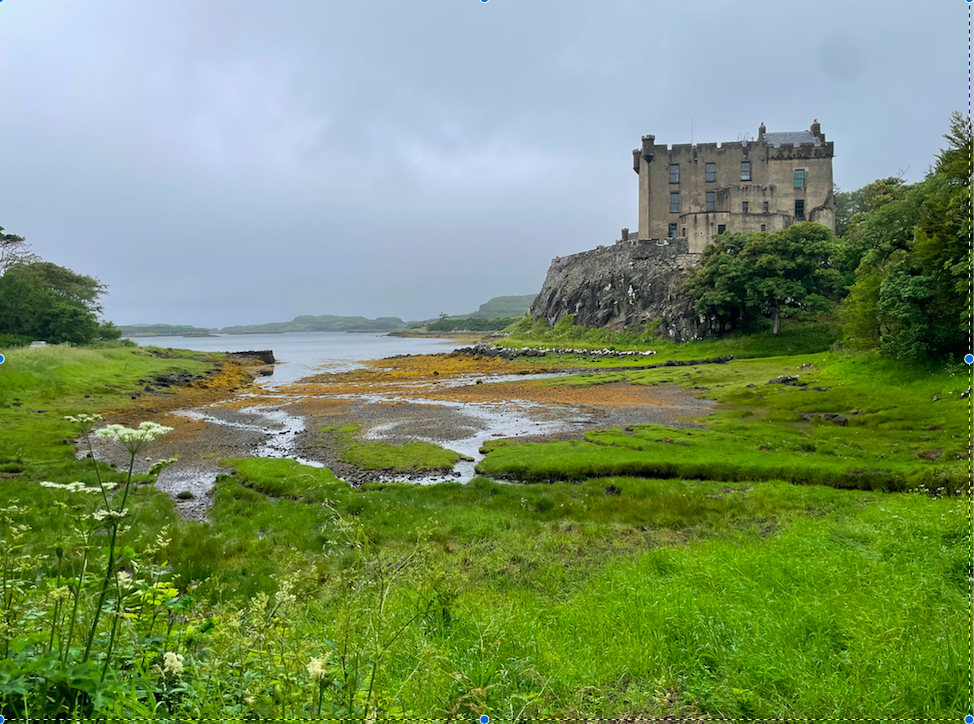
Dunvegan Castle on the Isle of Skye: home to the MacLeod clan for eight centuries, this castle served both a military purpose and as a stately home, with grand living areas, bedrooms and family heirlooms and antiques. (When I was visiting, one of the staff had to kindly ask a young gentleman to put down the 250-year old serving tureen he picked up to examine!) You can even stay at one of six holiday cottages on site.
Edinburgh Castle: one of the oldest fortresses in Europe, Edinburgh Castle has served as a garrison, royal residence, fortress and prison. Its chapel dates back to 1093. It is also home to the Scottish crown jewels. I enjoyed listening to the musician on site play various ancient instruments, including the hurdy gurdy. The photo below is taken from the Grassmarket, a trendy pub area beneath the castle.
This week’s #HappyAct is to pretend you are a king or queen for the day and visit a castle. If you can’t travel overseas, here are a few options closer to home:
Boldt Castle, in Alexandria Bay, New York or by boat from Rockport or Gananoque (**passport required**): built on an island by George Boldt, the owner of the Waldorf Astoria Hotel at the turn of the century for his new bride, this castle is still the jewel of the Thousand Islands.
Casa Loma in Toronto: built in 1914 by financier Sir Henry Pellatt and now owned by the City of Toronto, the 200,000 square foot castle is an excellent example of European elegance and grandeur. Be sure to check out their special events, like symphony in the gardens and sunset concerts.
Dundurn Castle in Hamilton: built in the 1830s, this 40-room palace was home to Sir Allan Napier MacNab, railway magnate, lawyer and Premier of the United Canadas (1854-1856).
Years ago, when my kids were young, I wanted to write a book called “700 Ways Raising Kids and Dogs are the Same”. I didn’t because it’s already been written.
But as my dogs and children grew old and I progressed in my career, my belief that the same principles for being a good parent, dog owner, and leader became even more steadfast. These are the principles:
Trust is the foundation of everything
Just when you think you have a handle on things, know things will change
If you set clear expectations, it will usually get done, but probably not on your timeline
Food is a great motivator
Treat them equally, but different, and give them your full support
Seek and capitalize on their strengths, instead of focusing on what they can do better
The best ideas come from the most unusual places (in the case of children, never underestimate their creativity or intelligence)
Always be yourself: you can never hide who you truly are—they’ll know
Be present—it’s the best gift you can give them
There is no substitute for love and encouragement
This week’s #HappyAct is show love and encouragement at work and at home (and when all else fails, bribe them with some treats).
A final note on parenting: I read only one parenting book and listened to one audiotape before we had kids. I remember one story about a father trying to get their teenage son to put the garbage out each week. Every week, he’d remind the kid it was garbage day and to put the garbage out. The teenager kept forgetting. Then one day, the kid put the garbage out. When the father looked surprised, the kid said, “What? It’s my job.” The kid put it out every week after.
Confession time. I am an addict. I am a candy-a-holic.
It’s been 12 hours since I had my last candy (and it’s only 8 o’clock in the morning).
My favourite hit lately has been a handful of black balls followed by a bump of humbugs, right before bedtime.
The inscription on my tombstone will read, “She died doing what she loved best. Choking on a black ball.”
The OG of candy is penny candy. Before Stephen Harper’s Conservatives got rid of the penny in 2013, a penny could still buy something.
Every time we would go to a cottage or on a road trip, we would stock up on penny candy. Dave and I once drove all the way to Yellowstone National Park on a tub of sour keys and ju jubes.
At the cottage, penny candy is like gold. Sometimes it’s for sharing, sometimes it’s for hoarding. We’ve even had people steal each other’s penny candy in the dead of the night, or worse in broad daylight. The screams of horror and dismay were heard across the lake when the victims discovered their stash was stolen the next morning.
Some friends invite people over for beers and charcuterie, our friends would invite people on the island over for watermelon and peach sours, strawberry and banana cream chews and black balls.
You can spot a candyhead a mile away. I once worked with a guy who went to the gym every day at lunch. This isn’t noteworthy, except for the fact Mike hated working out. I asked him if he hated going to the gym every day, why did he do it? He had an addiction to candy and refused to give it up, so the only way he could manage his weight was to work out every day.
Not all penny candy or candy stores are created equal. Black balls are like a rare black pearl in the candy world. Not all candy shops carry them.
At 60 years of age, I am still discovering new sugar sensations. On our last trip to the Maritimes, I discovered Bonds of London Rhubarb and Custard “sugar-coated rhubarb and vanilla flavoured boiled sweets” (the British have such a lovely way of making candy sound high-brow). Absolutely divine.
Then there are brands that keep reinventing themselves, like Popeye cigarettes, or “candy sticks” which changed their name in 2000 when they realized promoting smoking with kids was maybe not a good idea.
Remember jawbreakers (or gobstoppers if you’re in the United States)? In Grade 8 at lunch time, we’d go to the local convenience store and buy these long-lasting treats that resembled a golf ball with layers and layers of flavours inside them. They were so hard, you could lose a filling if you stopped sucking and chomped down on one. (Fun fact: if you google jawbreaker, one of the searches that comes up is “Can a jawbreaker stop a bullet?”)
You also must have discerning taste when it comes to where you satiate your sugar rush. You have your new, modern high-brow stores like I Love Sugar in Myrtle Beach or Ricardo’s Kandy Korner in the Eaton Centre in Toronto. Sure, they have bins and bins of candy and spaces so sterile you could eat candy you dropped by accident or on purpose right off the floor, but I prefer the good ol’ fashioned general store candy with creaky wooden floors, bins with proper lids, and tiny pincers to fish for the perfect treasure.
Yes, there are Allsorts of candy in this world, you just need to be a kid in a candy store to reach for the sugar high.
Ed note: An interesting side note, one of my most read blog posts is The Ultimate Frozen Treat on the Lola. Do you remember Lolas? Still miss them!
A few months ago, I was sick as a rabid dog for two weeks with a nasty cold, the second time this year. One of my neighbours asked whether the reason I’ve been sick so much was because my body was finally deregulating after years of accumulated stress from working, and now that I’m retired, I’m more susceptible to colds and flus.
I said no, the reason I get so sick now is I had bronchitis when I was pregnant with Clare, and that compounded with COVID has weakened my immune system for battling chest colds.
I blamed it on Clare.
Blaming your kids for everything from getting sick to having a messy house, to being late for dinner is a rite of passage for parents. It’s one of the reasons we have kids (and dogs for that matter).
If your pristine kitchen looks like a dumpster accident by dinnertime, blame it on the kids.
Missing your favourite Roots hoodie? It must be in that mound of clothing growing like a Chia pet on steroids in your teenager’s closet.
Running late? It’s not your fault. If you didn’t have to remember backpacks, water bottles, extra clothes, toys, and enough snacks to feed an orphanage every time you left the house, you’d be early for that appointment.
Broke? Don’t even worry about making an excuse. Having kids is like attaching a Dyson vacuum directly to your bank account. Everything you own gets sucked into the universe.
You can also blame your kids to your advantage. Say you don’t want to attend a boring family reunion or work party. Make up some excuse about needing to take little Susie or Jimmy to their piano recital or big game, and not only are you forgiven, you are a hero, sacrificing your own fun for your kids.
The great thing about blaming kids is you can even blame them for something they didn’t do today because they probably did it years ago. (This works for spouses too).
Say you’re late for work, and it has nothing to do with your kids. You can still blame it on them. They’ve probably made you late a gazillion times in your lifetime. Go ahead. Blame them with a clear conscience, without compunction or guilt. The little or big cretons deserve it.
There is one thing you should know about blaming everything on your kids. When they become adults, they turn the tables and start blaming everything on you.
This week’s #HappyAct is to play the blame game and have some fun with it. Just don’t blame the messenger. Have a happy week!
Canada Day is just around the corner, and nothing says summer more than the most unpretentious of barbecue delicacies, the hot dog.
My brother was legendary at eating hot dogs. He once ate 17 hot dogs at a friend’s barbecue when we were kids.
To celebrate summer and pay homage to the humble hot dog, I recently visited the mecca of franks, Easterbrooks Hot Dog Stand in Burlington.
Easterbrooks has been serving up hot dogs for 95 years. And not just any dogs, footlong weiner masterpieces like the Tear Jerker, a 12 inch dog topped with pepper jack cheese, jalapenos and chipotle sauce and The Belly Buster, topped with melted cheese, mustard, bacon, fried onion, chili and tomato.
When you drive into their parking lot, you feel like you’ve been transported back in time to the 1950s. Red picnic tables pepper the front of the small white building that looks like it belongs more in a beach movie than in a nice neighbourhood in Burlington.
The inside of the place looks like a 50’s diner too with black and white checkered paint and tiles, Coca Cola Classic signs and newspaper clippings all over the wall. A chalkboard at the end of the counter proudly proclaims “Since 1930 we have served over 1823 miles of hot dogs”.
Easterbrooks first opened in 1926 when its matriarch, Mable Easterbrook opened a tea room. In 1930, she started selling hot dogs and the family-run business has been selling dogs ever since (one of the owners brought out our order).
I ordered a Hound Dog, a 12-inch dog with aged cheddar, peameal bacon and sauerkraut while Dave, the OG hot dog lover, went for The Original. The dogs were tasty, but it was the fresh bun with the light crust on the outside and delicious soft chewy inside that made their offerings top dogs worthy of best in show. Their fries were delicious too, not oily, but crispy with a light-coated topping.
As we sat outside toasting the start of summer, all I could think of was how much my brother would have loved this place.
This week’s #HappyAct is to have a hot diggedy dog summer. I hope there are some franks in your future this weekend. Happy Canada Day!
If you want to get a feel for a place, spend an afternoon in a city park.
A city park is a refuge, a place to exercise, play, eat, rest, and reflect. It’s a place where neighbours, friends, strangers, and lovers meet. It’s a special place that is often the life and heartbeat of the city and the community.
When I travel, one of the first things I like to do is take a stroll in a city park. Whether it’s Regent Park in London, Central Park in New York, or Stanley Park in Vancouver, I love exploring the meandering paths and watching the people and activity going on.
Gage Park in Hamilton has been my strolling ground lately since we are housesitting for Dave’s sister. Here’s what I’ve observed during my morning walks.
Conversations.
An older couple sit on a bench talking to a homeless man. He shares his experience of living in shelters across the country, from Charlottetown to Saint John to Hamilton. He spends part of every day at the Salvation Army. His voice breaks when he tells a story about being chased by street gangs downtown.
Two young mothers pushing strollers walk briskly, sharing confidences. “I’m always thinking, what can I do tomorrow to keep him entertained so I don’t lose my mind. Where’s me? I feel like I’ve lost me becoming a Mom.” The lament of every young mother. I say to them in my head, “Don’t worry, you’ll find yourself again.”
A man wearing a Toronto Blue Jays hat. He doesn’t think their chances are good this year. We chat about the weather and he asks Siri for the forecast, which is very detailed, chance of showers later in the day with a heat wave blazing toward us by the weekend. He used to work on a chicken farm on Starr’s Island in Port Perry and loves dogs. He takes the bus to the park.
Sights, sounds, and smells.
The fragrant scent of lilacs and peonies and roses and the surprising smell of vinegar in the rose garden.
Birdsong. Robins chirping in the trees. A cardinal singing, brightly welcoming the morning.
Black squirrels with brown tails and grey squirrels with black tails chasing each other around the craggy bark of a Kentucky coffee tree.
Bike bells chiming as a man on a bicycle passes a bunch of kids on scooters.
All ages from all walks of life.
A man in an electric wheelchair whirring around the park blasting out Steely Dan on loud speakers; it’s a Long Cool Woman in a Black Dress on his second tour.
City workers hunched low, pruning and weeding in the rose garden, talking about their plans for the weekend.
A young couple lying on a blanket, their heads resting on their elbows, almost touching, deep in conversation.
Toddlers in blue and pink onesies with hats with brims so wide you can’t tell if they stumble because of their pudgy little legs, or because they can’t see two feet in from of them.
A dog walker with six dogs, four types of doodles (always the doodles), a husky and some kind of German shepherd cross. How do the leashes never get tangled?
A parade of mostly mothers and strollers marching through the park and gathering in a circle under a big oak tree for a yoga class.
An older gentleman dressed nattily in a blue checked short-sleeved shirt, grey dress shorts and socks, black running shoes and a bowler hat, jogging slowly through the park. How does he manage to look so dapper jogging?
Teenagers splashing each other with water from the fountain, screaming and swearing, oblivious to the disapproving looks of the older woman sitting nearby.
That irritating older woman, always on her phone, looking down instead of up.*
This week’s #HappyAct is to take a stroll in your city park and discover the heart of your city.
*Ed. note: To truly experience the sights, sounds, and smells of your stroll, it’s recommended to stay off your phone. I did use my phone to take photos and notes since I have a poor memory. And for those of you with a historical interest: Many of Canada’s grandest city parks were built in the golden age of park development from 1874-1914. Mont Royal Park in Montreal was built in 1874, Stanley Park in 1888, Assiniboine Park in Winnipeg in 1909, and Gage Park in 1922. As cities developed, there was a recognition that people needed access to nature for their physical and mental health. The City Beautiful Movement rose which promoted beautiful public spaces, including buildings, streetscapes and parks.










 Happy Act