Take the Finnish Masterclass on happiness

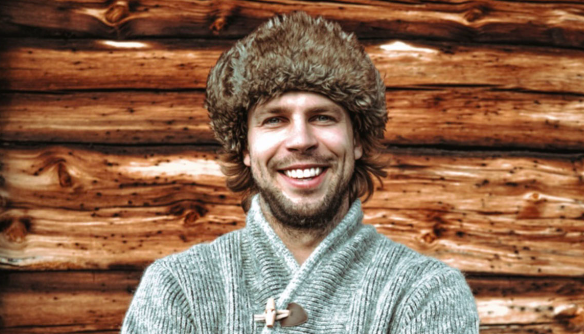
Wilderness guide Petri Kokkonen, one of the instructors

It’s 10 degrees and raining right now in Finland, and yet those crazy Finns are all probably happily curled up inside in their cozy houses in front of a roaring fire with their thick, brightly-coloured woolen socks, sipping a cup of hot coffee or glogi.

Finland has been named the happiest country in the world for the last eight consecutive years in a row, according to the World Happiness Report.

Now you too can channel your inner finn and learn the Finnish methods of happiness by taking Finland’s free Masterclass of Happiness course online this fall.

After watching five online videos narrated by expert coaches on four central themes, you’ll be tasked with an assignment. The four central themes are connection to nature, health and balance, design and the everyday, and food and wellbeing.

After you complete each lesson, you’ll receive a certificate.

To give you a flavour of what to expect, in the first lesson, Petri Kokkonen, a wilderness guide who lives in the remote Vätsäri region, will help you experience the peace and tranquility of nature in daily life and help you become one with nature.

In the segment on design, design professional Taina Snellman-Langenskiöld talks about how much our homes and the spaces we visit affect our well-being.

Full disclosure: this course and site is run by Visit Finland, the country’s tourism operator and it will suggest how you can further your happiness journey with travel suggestions at the end. I became aware of it when they ran a contest the first year it was offered and held in person in Finland. The success of the course and contest made Visit Finland realize they were on to something, and they made it available to everyone online. Now the tagline “Visit Finland—the happiness country in the world” features predominantly in their advertising.

This week’s #HappyAct is to find your inner Finn and take the Masterclass in Happiness.

Related: Read about hygge, the ancient Danish tradition of creating a warm atmosphere to relax in with friends and family.

The ten best little museums in Canada

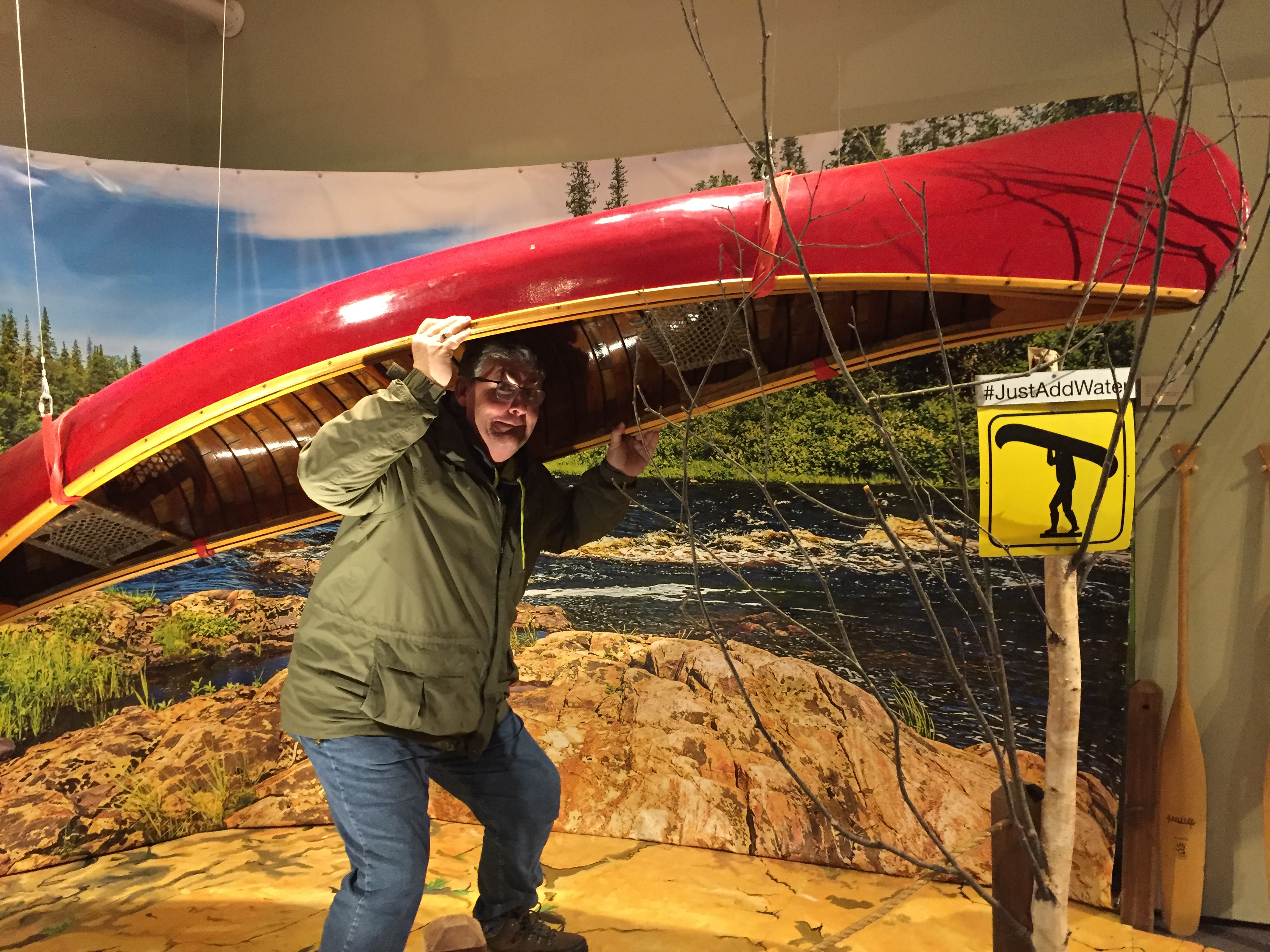
Man holding up a canoe at the Canadian Canoe Museum

It’s the last weeks of summer. Whether you’re planning a final road trip with the family or just looking for staycation ideas, now is a great time to visit a museum. Here is my top ten list of little museums that are perfect for a one hour or half-day stop. Be sure to check their websites for any free admission days.

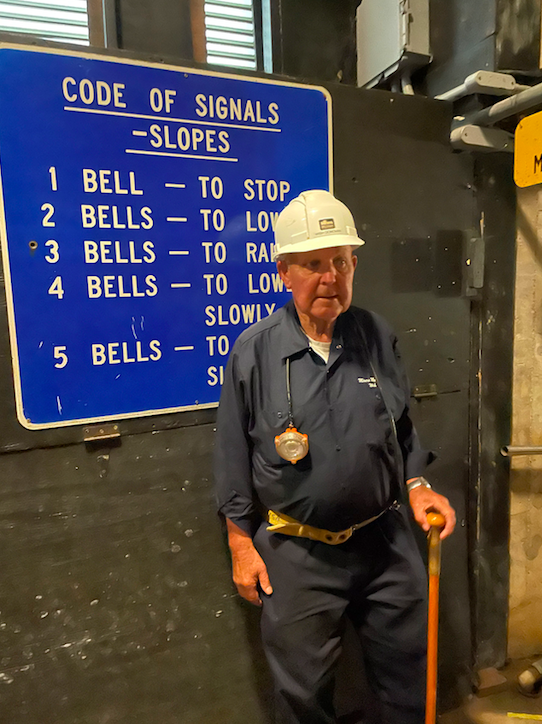
  • Miner’s museum in Glace Bay, Nova Scotia: while the museum itself is small, the experience is large, making this museum one of my favourites in Canada. Join a former miner as you walk down the stopes underground and learn about coal mining in Cape Breton.
  • Canadian Canoe Museum in Peterborough: We visited this terrific little museum in 2020 before it expanded and relocated to the shores of the Trent-Severn waterway. I’m itching to go back to see what new treasures and exhibits are on display. You can even now spend a morning or afternoon paddling on site. Read my post An Afternoon at the Canadian Canoe Museum for the full rundown.
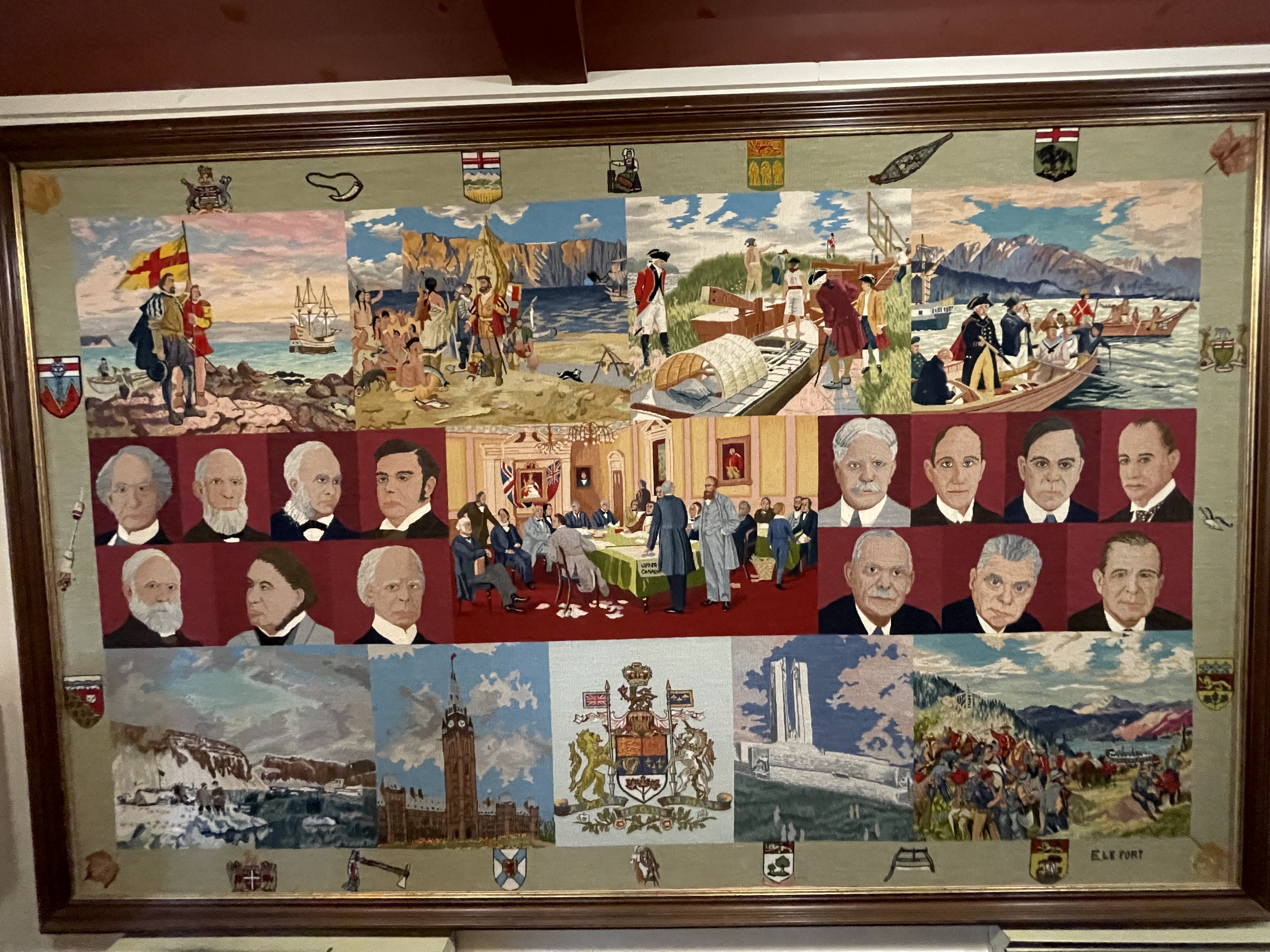
  • Les Trois Pignons rughooking museum in Cheticamp, Nova Scotia: located near the end of the Cabot Trail, this museum features astonishing works of art made from rughooking, the region’s specialty. It costs only $7 and you can tour it in about half an hour, making it well worth the stop.
  • Bata Shoe museum in Toronto: Opened in 1995 after the Bata family’s private shoe collection outgrew its home, this famous little museum has been attracting visitors for more than 30 years. Current exhibitions include the history of the cowboy boot, how crime investigators use footprints and footwear in their work, and footwear through the ages.
  • Toronto Holocaust Museum: Opened in 2023, this new museum on Bathurst St. north of Sheppard inspires visitors to think deeply about the tragedies of the Holocaust and make connections between the holocaust and contemporary world events and Canadian life. Montreal also has a holocaust museum. It’s currently under renovation and will reopen its doors in 2026.
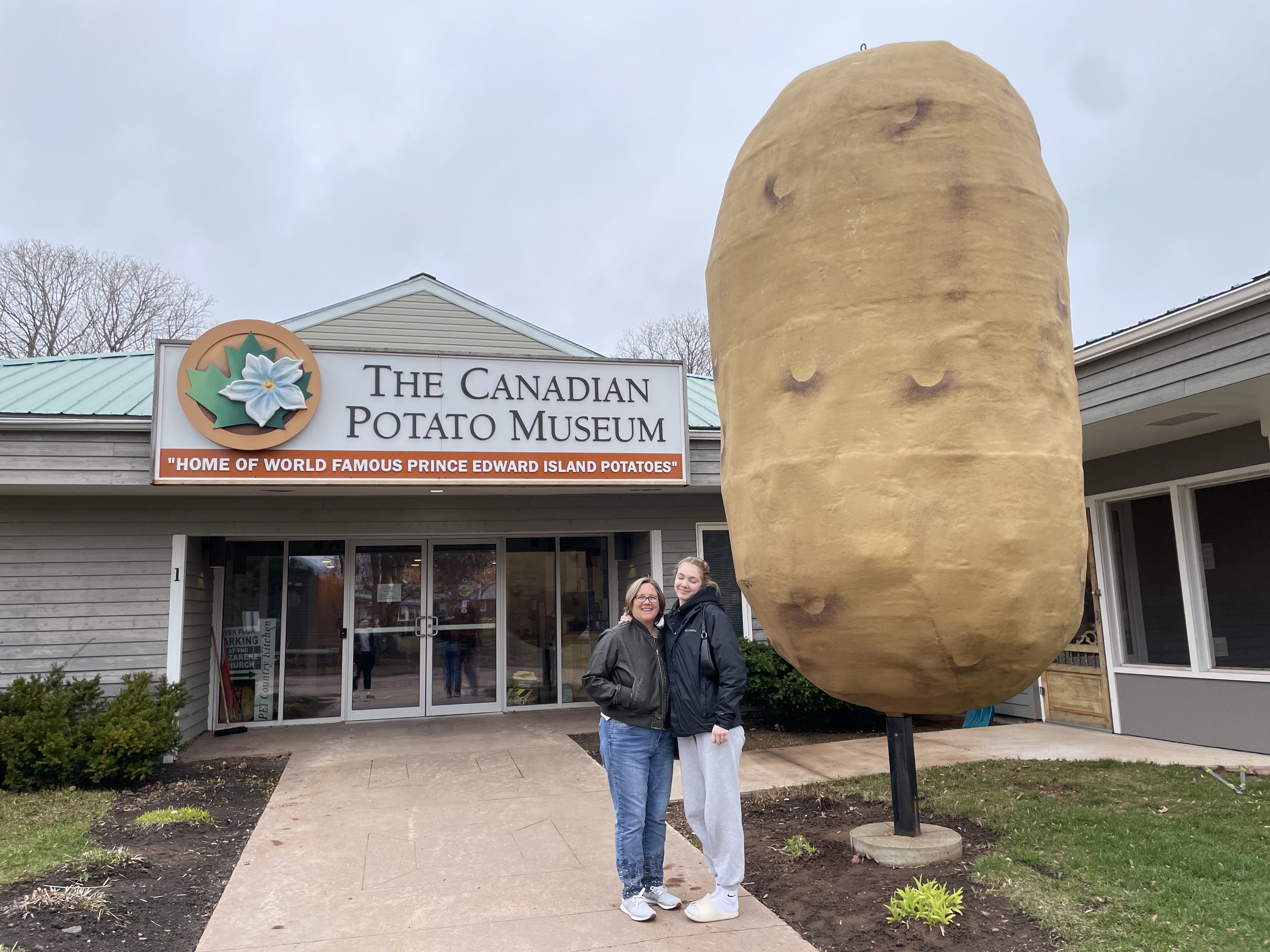
  • The Canadian Potato Museum in Prince Edward Island: quintessentially Canadian, we loved this little museum that celebrates PEI’s biggest export (20% of the potatoes in Canada come from PEI). Learn about how spuds are grown and their importance to the development of Canada’s smallest province and enjoy a selection of potato dishes in their restaurant. Bonus points for having one of the friendliest and accommodating staff around—our family arrived in late April when the museum was still closed, but they let us in for free and let us look around “as long as we didn’t mind the mess”.  
  • Diefenbunker: located in Carp just west of Ottawa is a four-storey underground bunker built in 1959 by Prime Minister Diefenbaker to serve as the headquarters and communications hub during the Cold War.
  • Tim Horton’s Museum in Hamilton: located on the second floor of the original Tim Hortons store in Hamilton at 65 Ottawa Street, this little museum recently underwent renovations. Make sure you order a double double when you’re there.
  • Gopher Hole Museum in Torrington, Alberta: Touted as the “world famous” gopher hole museum, this museum is by donation and features vignettes of gophers and a gopher gift shop. You gotta see it to believe it.
  • Kingston Penitentiary Museum: eclipsed by the Kingston Penitentiary tours (fantastic by the way and free with the tour), don’t miss this fantastic little museum in the historic warden’s house across from the pen. Learn how famous inmate escaped and life behind bars—the perfect one-hour visit.

This week’s #HappyAct is to visit one of Canada’s great little museums. And my apologies to BC: even though I’ve been to British Columbia many times, I never visit museums because the province is so beautiful, I tend to spend all my time outdoors.

Here’s a bonus museum for when we’re all ready to travel to the States again: It’s a Wonderful Life Museum in Seneca Falls, New York. Still under renovation, plan to visit this wonderful little museum in the future. Read my Lessons on Life and Happiness from the museum.

Photos: above: Dave holding up a canoe at the Canadian Canoe Museum. Below: our guide at the Miner’s Museum in Glace Bay; Clare and I in front of the Canadian Potato Museum this spring; one of the incredible rughooking works of art of Confederation at Les Trois Pignons rughooking museum in Cheticamp, NS.

Miner tour guide at the Miner's Museum in Glace Bay
Rughooking tapestry

Kingdoms and castles

I just returned from a glorious two-week vacation to Scotland. You can’t visit Scotland without visiting some castles (some call it an “ABC” tour—“Another Bloody Castle”) and we toured several, including one yacht, the Royal Yacht Britannia.

In Europe, there are two kinds of castles: fortresses that served as settlements and outposts built for military reasons to keep out invaders, and castles typically built later in the 1700s and 1800s as grand estates. The last time I visited Scotland in the 80’s, I was very fortunate to have a private tour and tea at one of these grand estates, Brodie Castle in Forres.

The allure of a castle is hard to resist. History, mystery, intrigue and magnificent architecture, set at a stunning location. As you walk on the grey cobbled stones that have stood the test of time, close your eyes and you are transported to a time when royals reigned, nobles ruled and servants sweltered and swept in bustling constant motion. Throw in some dungeons, tales of valour, deceit and death, and ghosts, and the enchantment is complete.

Here were some of the castles we visited this trip:

Dunnottar Castle in Stonehaven: the hike to this castle from the picturesque seaside village of Stonehaven is stunning, along sea cliffs and farmers fields with flowing grasses and sheep and cows grazing. Perched on a 160 foot high rock and surrounded on three sides by the North Sea, the castle itself is largely ruins, but you still get a feel for the settlement that once thrived on the site. William Wallace attacked an English settlement in 1297 here.

Dunnottar Castle in Stonehaven

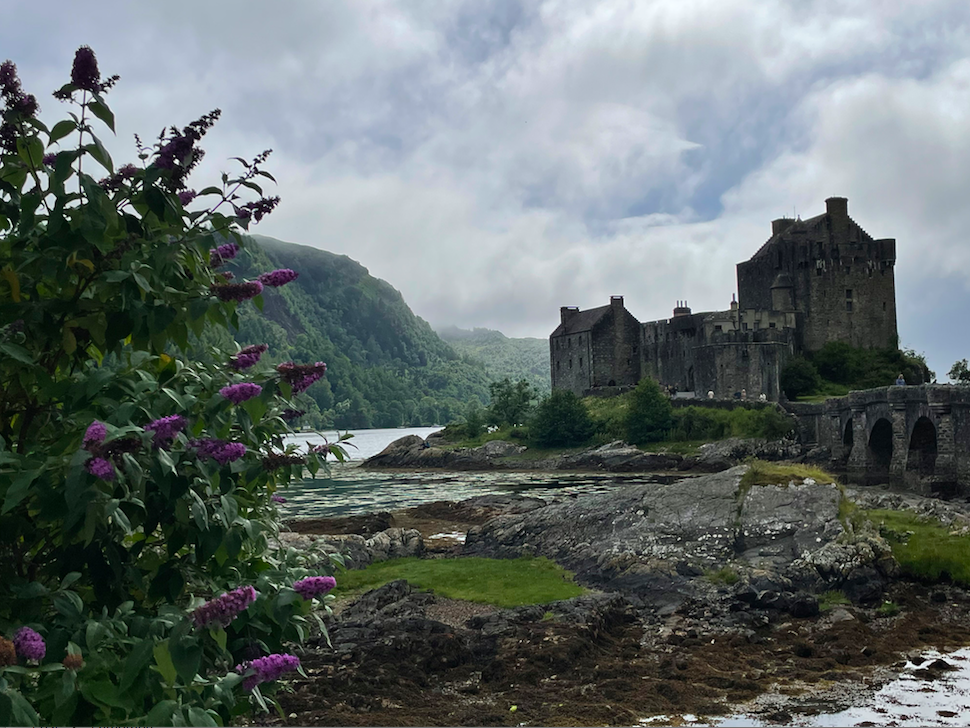
Eilean Donan Castle near the bridge to the Isle of Skye: built in the mid thirteenth century on an island, this is one of the most photographed castles in Scotland, next to Urquhart Castle on Loch Ness. Just as we were leaving, two stealth fighter jets flew over the castle at the speed of sound, leaving us breathless. Pro travel tip: we arrived later in the day when the ticket gate was closed so were able to wander around the grounds for free.

Eilean Donan Castle in Scotland

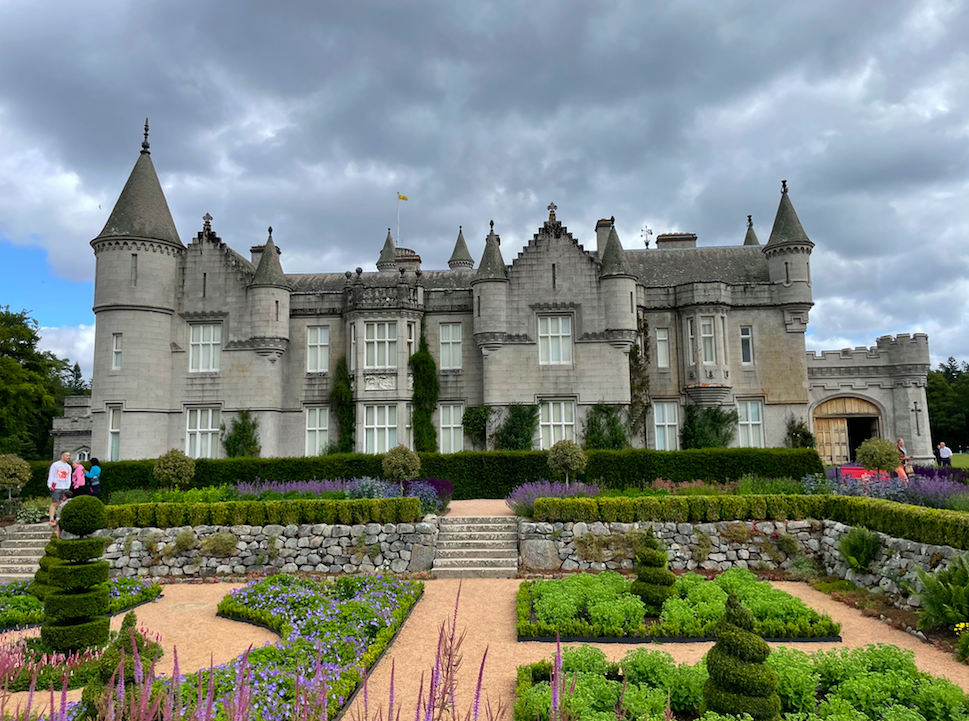
Balmoral Castle, in Cairngorns National Park (pictured at top). The Scottish vacation home of the Royal Family, this 55,000 hectare park features the royal residence, gardens and acres and acres of rugged parkland.

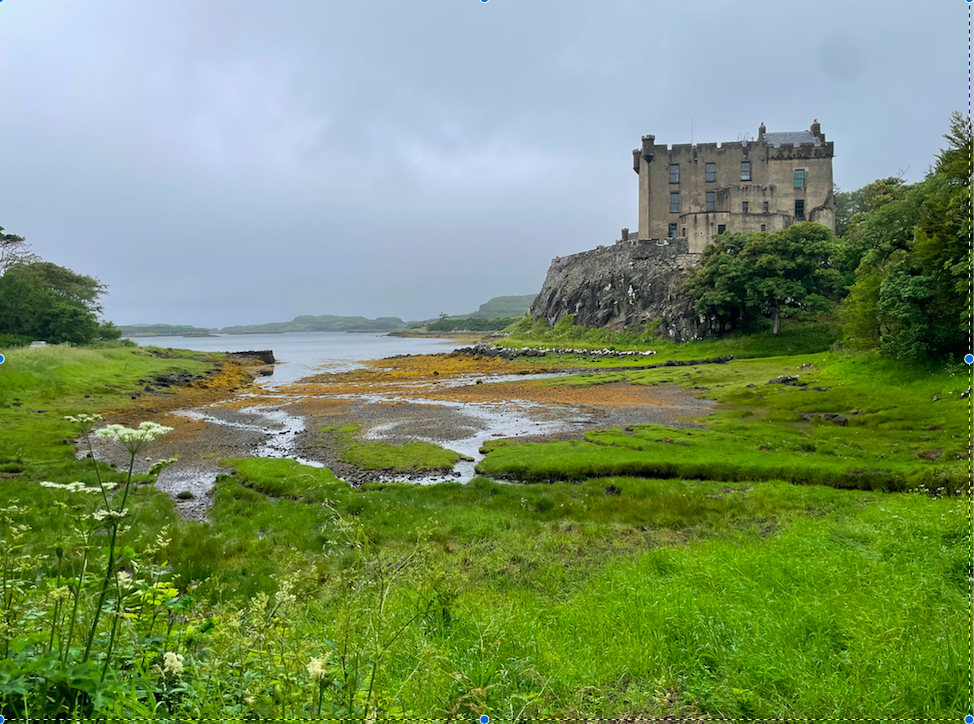
Dunvegan Castle on the Isle of Skye: home to the MacLeod clan for eight centuries, this castle served both a military purpose and as a stately home, with grand living areas, bedrooms and family heirlooms and antiques. (When I was visiting, one of the staff had to kindly ask a young gentleman to put down the 250-year old serving tureen he picked up to examine!) You can even stay at one of six holiday cottages on site.

Dunvegan Castle on Isle of Skye

Edinburgh Castle: one of the oldest fortresses in Europe, Edinburgh Castle has served as a garrison, royal residence, fortress and prison. Its chapel dates back to 1093. It is also home to the Scottish crown jewels. I enjoyed listening to the musician on site play various ancient instruments, including the hurdy gurdy. The photo below is taken from the Grassmarket, a trendy pub area beneath the castle.

Edinburgh Castle
Musician in Edinburgh Castle

This week’s #HappyAct is to pretend you are a king or queen for the day and visit a castle. If you can’t travel overseas, here are a few options closer to home:

  • Boldt Castle, in Alexandria Bay, New York or by boat from Rockport or Gananoque (**passport required**): built on an island by George Boldt, the owner of the Waldorf Astoria Hotel at the turn of the century for his new bride, this castle is still the jewel of the Thousand Islands.
  • Casa Loma in Toronto: built in 1914 by financier Sir Henry Pellatt and now owned by the City of Toronto, the 200,000 square foot castle is an excellent example of European elegance and grandeur. Be sure to check out their special events, like symphony in the gardens and sunset concerts.
  • Dundurn Castle in Hamilton: built in the 1830s, this 40-room palace was home to Sir Allan Napier MacNab, railway magnate, lawyer and Premier of the United Canadas (1854-1856).

Hot diggedy dog

Canada Day is just around the corner, and nothing says summer more than the most unpretentious of barbecue delicacies, the hot dog.

My brother was legendary at eating hot dogs. He once ate 17 hot dogs at a friend’s barbecue when we were kids.

To celebrate summer and pay homage to the humble hot dog, I recently visited the mecca of franks, Easterbrooks Hot Dog Stand in Burlington.

Easterbrooks has been serving up hot dogs for 95 years. And not just any dogs, footlong weiner masterpieces like the Tear Jerker, a 12 inch dog topped with pepper jack cheese, jalapenos and chipotle sauce and The Belly Buster, topped with melted cheese, mustard, bacon, fried onion, chili and tomato.

When you drive into their parking lot, you feel like you’ve been transported back in time to the 1950s. Red picnic tables pepper the front of the small white building that looks like it belongs more in a beach movie than in a nice neighbourhood in Burlington.

The inside of the place looks like a 50’s diner too with black and white checkered paint and tiles, Coca Cola Classic signs and newspaper clippings all over the wall. A chalkboard at the end of the counter proudly proclaims “Since 1930 we have served over 1823 miles of hot dogs”.

Inside of Easterbrooks hot dog stand

Easterbrooks first opened in 1926 when its matriarch, Mable Easterbrook opened a tea room. In 1930, she started selling hot dogs and the family-run business has been selling dogs ever since (one of the owners brought out our order).

I ordered a Hound Dog, a 12-inch dog with aged cheddar, peameal bacon and sauerkraut while Dave, the OG hot dog lover, went for The Original. The dogs were tasty, but it was the fresh bun with the light crust on the outside and delicious soft chewy inside that made their offerings top dogs worthy of best in show. Their fries were delicious too, not oily, but crispy with a light-coated topping.

As we sat outside toasting the start of summer, all I could think of was how much my brother would have loved this place.

This week’s #HappyAct is to have a hot diggedy dog summer. I hope there are some franks in your future this weekend. Happy Canada Day!

hot dogs

Stroll in a city park

trees and path in park

If you want to get a feel for a place, spend an afternoon in a city park.

A city park is a refuge, a place to exercise, play, eat, rest, and reflect. It’s a place where neighbours, friends, strangers, and lovers meet. It’s a special place that is often the life and heartbeat of the city and the community.

When I travel, one of the first things I like to do is take a stroll in a city park. Whether it’s Regent Park in London, Central Park in New York, or Stanley Park in Vancouver, I love exploring the meandering paths and watching the people and activity going on.

Gage Park in Hamilton has been my strolling ground lately since we are housesitting for Dave’s sister. Here’s what I’ve observed during my morning walks.

Conversations.

An older couple sit on a bench talking to a homeless man. He shares his experience of living in shelters across the country, from Charlottetown to Saint John to Hamilton. He spends part of every day at the Salvation Army. His voice breaks when he tells a story about being chased by street gangs downtown.

Two young mothers pushing strollers walk briskly, sharing confidences. “I’m always thinking, what can I do tomorrow to keep him entertained so I don’t lose my mind. Where’s me? I feel like I’ve lost me becoming a Mom.” The lament of every young mother. I say to them in my head, “Don’t worry, you’ll find yourself again.”

A man wearing a Toronto Blue Jays hat. He doesn’t think their chances are good this year. We chat about the weather and he asks Siri for the forecast, which is very detailed, chance of showers later in the day with a heat wave blazing toward us by the weekend. He used to work on a chicken farm on Starr’s Island in Port Perry and loves dogs. He takes the bus to the park.

Sights, sounds, and smells.

The fragrant scent of lilacs and peonies and roses and the surprising smell of vinegar in the rose garden.

Birdsong. Robins chirping in the trees. A cardinal singing, brightly welcoming the morning.

Black squirrels with brown tails and grey squirrels with black tails chasing each other around the craggy bark of a Kentucky coffee tree.

Bike bells chiming as a man on a bicycle passes a bunch of kids on scooters.

two squirrels on a tree

All ages from all walks of life.

A man in an electric wheelchair whirring around the park blasting out Steely Dan on loud speakers; it’s a Long Cool Woman in a Black Dress on his second tour.

City workers hunched low, pruning and weeding in the rose garden, talking about their plans for the weekend.

A young couple lying on a blanket, their heads resting on their elbows, almost touching, deep in conversation.

Toddlers in blue and pink onesies with hats with brims so wide you can’t tell if they stumble because of their pudgy little legs, or because they can’t see two feet in from of them.

A dog walker with six dogs, four types of doodles (always the doodles), a husky and some kind of German shepherd cross. How do the leashes never get tangled?

A parade of mostly mothers and strollers marching through the park and gathering in a circle under a big oak tree for a yoga class.

An older gentleman dressed nattily in a blue checked short-sleeved shirt, grey dress shorts and socks, black running shoes and a bowler hat, jogging slowly through the park. How does he manage to look so dapper jogging?

Teenagers splashing each other with water from the fountain, screaming and swearing, oblivious to the disapproving looks of the older woman sitting nearby.

That irritating older woman, always on her phone, looking down instead of up.*

This week’s #HappyAct is to take a stroll in your city park and discover the heart of your city.

*Ed. note: To truly experience the sights, sounds, and smells of your stroll, it’s recommended to stay off your phone. I did use my phone to take photos and notes since I have a poor memory. And for those of you with a historical interest: Many of Canada’s grandest city parks were built in the golden age of park development from 1874-1914. Mont Royal Park in Montreal was built in 1874, Stanley Park in 1888, Assiniboine Park in Winnipeg in 1909, and Gage Park in 1922. As cities developed, there was a recognition that people needed access to nature for their physical and mental health. The City Beautiful Movement rose which promoted beautiful public spaces, including buildings, streetscapes and parks.

dog in park

My trusted companion on my morning strolls.

Moms and strollers in the park
Dog walker with six dogs
Fountain at Gage Park in Hamilton

The lakes of my life

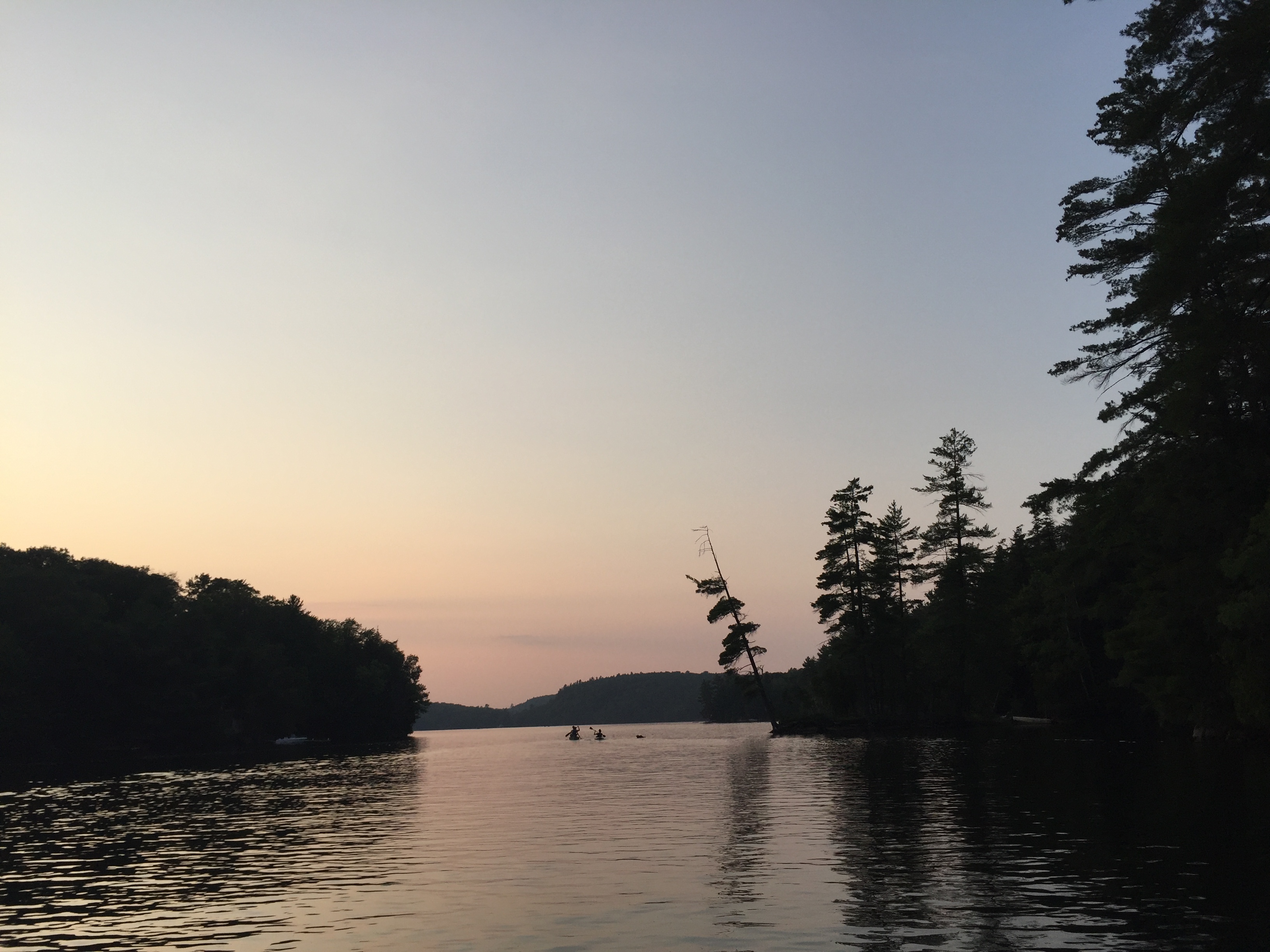
Sydenham Lake at dusk

Are you a mountain, beach or desert person?

My brother is a desert person. There’s something about the light and landscapes of places like New Mexico, Utah and Nevada that speaks to him. Since I live on a lake, and am a water baby, it will come as no surprise to you that I’m a beach person.

And while Canada is blessed to boast three coastlines, all with stunning scenery, I have long since realized that I will always need to be or live on interior lakes where I can swim.

Here are ten interior lakes in Canada that hold a special place in my heart:

  • Big Hawk Lake: I’ve been visiting this beautiful lake north of Minden, Ontario since I was a teenager. The lake is on a popular canoe route and is dotted with pretty islands and bays and has several interesting features including rapids, a historic log chute, a rockface known as the three chiefs, rocks for cliff jumping and even a totem pole.
  • Lake Moraine: There is a reason why this picturesque lake in Banff National Park in Alberta was featured on our $20 bill. When you round the corner from the short hiking trail, your breath is literally taken away by its stunning turquoise blue colour and mountainous backdrop. (The colour is unique to glacial lakes and is caused by rock flour that is produced as glaciers grind against bedrock and is carried by glacial meltwater into the lake). Substitute any mountain lake in the Rockies or BC.
  • Red Lake: Anyone who has spent time in northern Ontario will understand why Dave’s father calls this region God’s country. Located where the road ends off the TransCanada highway near the Manitoba border, Red Lake is a fisherman’s dream, spanning 165 kms of islands, bays teeming with walleye, northern pike and muskie. The constant drone of float planes taking off from Howie Bay serenade you while on the water, but can make swimming in Red Lake hazardous!
  • Mazinaw Lake: Bon Echo Provincial Park houses this second deepest lake in Ontario, famous for its impressive 100 metre high Mazinaw Rock. While the rockface itself is magnificent, it’s the ancient pictographs painted centuries ago by the Algonquin and Anishinaabe peoples that are said to have spiritual meanings and qualities that attract people to the cliffs.
  • Georgian Bay: With more than 30,000 islands and grey granite sculpted shorelines, Georgian Bay is a boaters dream. Every time I’ve spent time in this beautiful region of Ontario, I fall in love all over again with its greenish blue waters, unique shorelines and undulating waves that stretch for miles and miles.
  • Lake Superior: The granddaddy of the Great Lakes, Lake Gitche Gumee is massive, majestic, and magical. It can be peaceful, calm, and breathtaking on a nice day, and dark, menacing and deadly on a stormy day. Take the Lake Superior Circle Tour, a 2,000 km route and enjoy the magnificent views and natural wonders. Be sure to take a slight detour to Mackinac Island just south of Sault Ste Marie.  
  • Lake Memphramagog: This stunning lake in the Eastern Townships straddles the Quebec/Vermont border and offers picturesque mountain views. Legend has it that a sea monster inhabits the lake! Spend an afternoon strolling along the boardwalk in Magog or in the pretty town of Newport, Vermont which Dave and I explored last fall on our way back from the Maritimes.
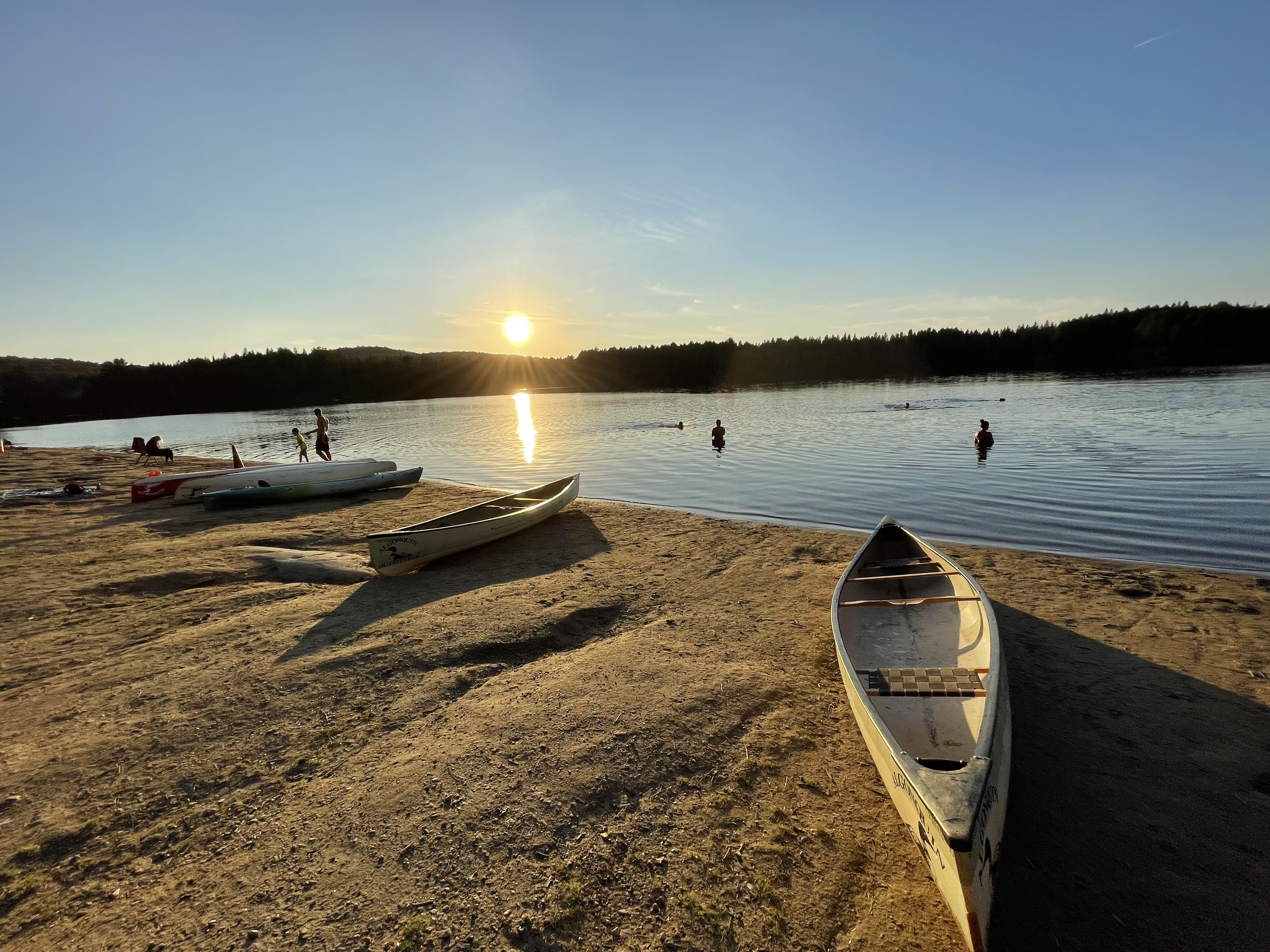
  • Opeongo Lake or any lake in Algonquin Park: There’s something about Algonquin Park that is special. When people think of a wild space, they think of Algonquin. Picture early morning mist gently rising off the water, revealing stately pines lining the shoreline and pure silence. It’s pure heaven.
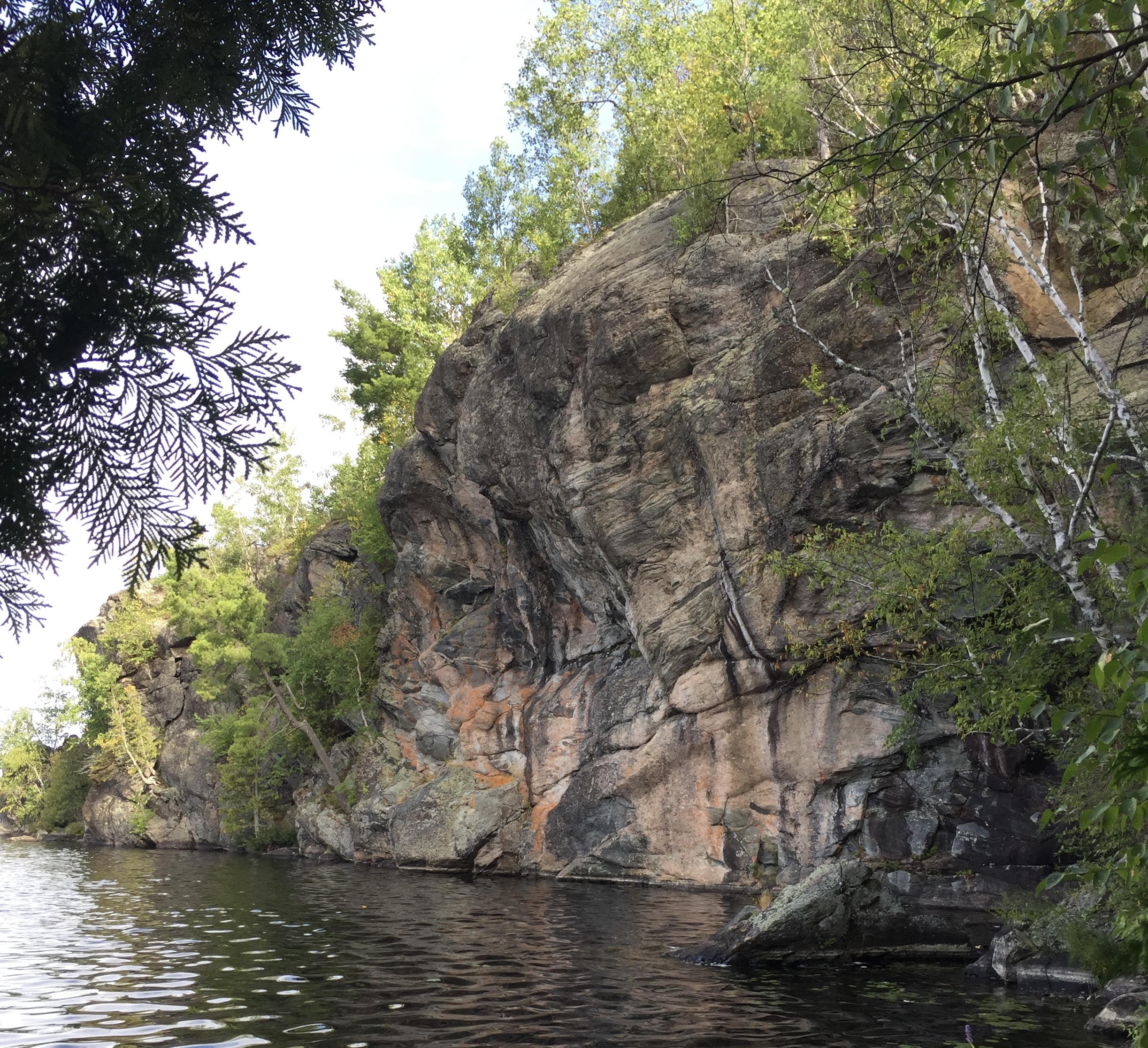
  • Mackenzie Lake: Located near Lake St. Peter Provincial Park in Ontario, this lake and region is a snowmobiler’s dream in the winter with trails galore. Surrounded by cliffs, there is one concave rockface on the southern end of the lake that becomes almost mystical towards the end of the day when the light hits it. Patterns of light dance across the rockface and the water. Alone in a canoe or kayak, it’s one of the most spiritual places I’ve ever been. 
  • Lake of the Woods OR Lake Muskoka/Lake Joseph: Okay, since this is supposed to be a top ten list, I’m cheating and combining the lakes that make up the “Muskoka of the South” and the “Muskoka of the North”, even though they are 1,600 kms apart. Beautiful, stunning and expansive, these lakes have become prime real estate. Take a boat cruise and spend time gawking at the million dollar cottages. Hey, you can always dream!
  • Bonus pic: Desert Lake or any lake in South Frontenac. Dave and I moved to this area thirty years ago because of all the beautiful shield lakes and its proximity to Kingston. When you’re paddling on the north end of Desert Lake on a bright sunny day, watching eagles perching on the tips of pine trees swaying in the breeze and loons feeding their babies beside your canoe, you feel like you’re in paradise.

Of course, every lake is special. I’m reminded of this every time I’m out exploring our pretty little lake in my kayak. This week’s #HappyAct is to spend some time on the water.

Related reading: The trees of my life

Rockface at Mackenzie Lake

The sunlight reflecting off this conclave rock face on Mackenzie Lake at the end of the day is very spiritual. I’ve yet to photograph it in the perfect light.

Beach with canoes

Pog light campground in Algonquin Park

Girls paddling kayaks at dusk

My girls paddling at dusk on Big Hawk Lake.

Featured photo above: Sydenham Lake at dusk in South Frontenac.

Here’s to Happy Hour!

Is there any happier time of the day than happy hour?

It’s the perfect excuse to stop what you’re doing, especially if you’re working, take a load off, enjoy some cheap food you don’t have to make yourself, glug back some cheap drinks, and catch up with new or old friends.

On our recent trip to the Maritimes to pick up Clare from school, it was pouring rain on our final day in St. Andrew’s by the Sea. After seeing the sights through windshield wipers on high speed, and dodging puddles and downpours as we browsed the local shops, we dried off at the beautiful historic Kennedy House Inn where we were staying and popped downstairs for their happy hour from 3-5 for half-price wings and pitchers of beer.

As we played darts and watched the ball game on the big screen TV in their bar, we started chatting with the “locals”, most of whom had moved to this picturesque seaside town from Ontario in the past few years. It was the perfect way to spend a rainy afternoon.

“Happy hour” was born in the late 19th century, when social clubs in North America started planning activities in the late afternoon, such as dancing, quilting, games and lectures. They actually included the name “Happy Hour Club” in their titles.

In 1913, the US Navy adopted the idea of happy hour when a group of sailors who called themselves the Happy Hour Social started hosting twice weekly events aboard the USS Arkansas. The navy prohibited alcohol on ships, so the focus of the hour was on entertainment like boxing bouts, movies, and music.

It wasn’t until the prohibition years, the 1920s and 1930s when young people flocked to speakeasies to eat and drink at all hours of the day that alcohol figured prominently in happy hour.

Restaurants and bars quickly realized they could lure patrons in earlier in the day by offering discounted food and drinks before the busy dinner rush and the modern version of the happy hour was born.

In a cruel, cruel joke, I had just turned drinking age when the Ontario government decided to ban happy hour in 1984, claiming it promoted drinking and driving. The government relaxed its rules in 2019 and happy hour happily has made a comeback in the past five years. Now just about every bar or restaurant offers some kind of happy hour specials.

What’s your favourite spot for happy hour? Leave a comment and share the happy!

A stranger walks into a bar

Two people sitting in a bar

I made a new friend last night. His name was Alan.

Alan was sitting alone reading the Globe and Mail and sipping a pint of Stella when Dave and I wandered into the Toucan pub in Kingston last night, killing time between two movies at the Kingston Canadian Film Festival.

We got to talking, as strangers are wont to do in a bar, the conversation starting with Trump and the situation in the US, then veering into Alan’s fascinating life.

A son of a diplomat, Alan spent his childhood living around the world in countries like Afghanistan, Pakistan, the Belgian Congo, Lebanon, Portugal, Spain, and Sweden. He shared one story from the time when he was a boy in Pakistan of one of the British dignitaries’ wives separating the children into teams of colonials versus locals for games at a British garden party.

When he graduated from university, he became a land technician with the Ministry of Natural Resources, a job he said he absolutely adored. One project he led was researching all the treaties to create Petroglyphs Provincial Park in Peterborough. He shared how for thousands of years, the various Indigenous peoples of that region took turns scraping the moss from the Teaching Rocks, passing down the teachings from generation to generation.

When I had jokingly said we’d be better off if women were in leadership positions around the world when we were talking about Trump, he smiled and leaned in and talked more about the belief of Indigenous Peoples in Gitche Manitou, the “goddess of supreme being” and how women in Indigenous cultures were tasked with the most important role, taking care of the home and children.

After his time with the MNR, Alan founded his own communications company and started doing documentary work. He travelled to the Congo in 1995 to document the outbreak of Ebola. The stories he shared were fascinating. He said both the US and Russian armies were present, but not to help the dying and suffering. They were there to see if they could weaponize the virus. That never made it into the film.

Over the course of a few hours and pints, we talked about fishing, travelling, our children, the Montreal Canadiens, Canada-US relations and how lonely it can be living alone.

As we paid our bill and gathered up our coats to head out into the chilly February night, I gave Alan a big hug and said I hope we meet again. Two barflys, no longer strangers, now friends after sharing a special bond in a bar.

This week’s #HappyAct is to wander into a bar and make a new friend. Here are a few bar jokes to leave you smiling:

Three vampires walk into a bar. The first one says, “I’ll have a pint of blood.”
The second one says, “I’ll have one, too.”
The third one says, “I’ll have a pint of plasma.”
The bartender says, “So, that’ll be two Bloods and a Blood Lite?”

A bartender says, “We don’t serve time travelers in here.”
A time traveler walks into a bar.

A three-legged dog walks into a saloon, his spurs clinking as he walks, his six-shooter slapping at his furry hip. He bellies up to the bar, stares down the bartender, and proclaims, “I’m looking for the man who shot my paw.”

Reflections on life and happiness from my Tanzanian philosopher friend

Author, her husband and guide from Access2Tanzania in the Serengeti

They say people come into your life for a moment, a day, or a lifetime. Sometimes it’s for a week.

In 2013, Dave and I took the trip of a lifetime to Tanzania. We spent a week in Arusha, the Ngorongora Crater and the Serengeti before flying to Zanzibar for four days in the Indian Ocean. The image of thousands of zebras and wildebeest migrating across the plains of the Serengeti is still seared in my mind.

Our local guide was Fulgence Kenedy, a sweet, soft-spoken young father with a beautiful smile, a twinkle in his eye and wicked sense of humour. We became fast friends, bonding over parenthood, our love of nature, and Justin Bieber (don’t ask). Over the years, we’ve kept in touch with Fulgence through Facebook and Facebook messenger.

Our trip to Tanzania was one of the things that inspired this blog. In a nation that had so little, we were struck by how warm, funny, and happy the people were and it made me reflect even more on what makes people happy.

Over the years, as we enjoyed the videos and pictures Fulgence shared online of him on safari, I noticed his posts were often accompanied by inspirational messages of love, hope and joy.

Here are some reflections on life, love and happiness from my Tanzanian philosopher friend Fulgence:

“Don’t plan too much, life has its own plans for you. Remember that some of the most beautiful moments of your life are unplanned.”

“Every sunset is an opportunity to reset and brings a new promise of dawn. You cannot stop the sunrise.”

“One day, I was surprised when I came home from church with my neighbour. When we had nearly reached home, she poured warm water* on me and wished me happy birthday. The question was, how did she keep the water warm all the time we were in church? It’s all because of love.”
*I asked Fulgence why his neighbour poured water on him on his birthday—he says it’s like when a child is baptized and is an act of love and acceptance

“Life doesn’t allow us to go back and fix what we have done wrong in the past, but it does allow us to live each day better than the last.”

“To succeed in life you need two things: ignorance and confidence.”

“The hardest test in life is the patience to wait for the right moment.”

“Everyone has a reason why you’re in this world, but to be in this world you pass through several people and make them happy or leave a wound in their heart…the bridge to cross is just a few short words. Sorry. I forgive you. Most of us don’t know how to say that when we hurt others. It’s time to love and care for others like you love and care for yourself.”

And finally,

“Happiness is a medicine”

I’ll leave you with this classic Fulgence joke. He asked me, “Laurie, do you know how to tell a male zebra from a female zebra? The male zebra is black with white stripes. The female zebra is white with black stripes.”

Ed. note: If you’re thinking of going to Africa on safari, we highly recommend you book with Access2Tanzania. Casey and the team here in North America will customize a trip for you. Ask for Fulgence—he’s featured on their website.

Zebras in the serengeti

One of my favourite photos: a pair of zebras in the Serengeti. Fulgence shared they will rest their heads on each others’ backs so they can see predators from any direction. Can you tell the male from the female?

A winter celebration at Rideau Hall

Author and winterlude mascots outside of Rideau Hall

Yesterday, my South Frontenac Stocksport Club at the invitation of the Austrian embassy in Ottawa participated in a Winter Celebration at Rideau Hall as part of Winterlude, followed by dinner at the Austrian ambassador’s house.

It was a frosty bone-chilling day—one of the smiling volunteers who greeted us had icicles hanging from his moustache!, but the sun was shining, the skies were blue and everyone was in high spirits despite the looming threat of a trade war brewing with the US.

Even though I lived in Ottawa for a year, I had never been to the residence of the Governor General located in the beautiful Rockcliffe neighbourhood near the Prime Minister’s residence. The original stone villa was built in 1838 by Thomas MacKay who was one of the contractors on the Rideau Canal. Rideau Hall has been home to the Governor General, the Queen’s representative in Canada every year since Confederation. Rideau Hall is free to tour year-round, although reservations are required in the off-season.

I took a break from helping demonstrate ice stock (for more on the sport of ice stock, see this post) to tour the expansive grounds. There were booths and exhibits from several embassies and organizations. The Embassy of Finland had kicksledding, the Embassy of Norway skiing, and the Embassy of the Kingdom of the Netherlands showcased Dutch shuffleboard.

All the booths were handing out free treats and drinks native to their country and there were live musical performances and dancing . Since our club was set up on Rideau Hall’s skating rink, a nice alternative when the canal is chock-a-block full of people, we got to see a figure skating demonstration presented by Can-Skate Canada.

At one point, the Governor General herself, Her Excellency the Right Honourable Mary Simon came by, threw a stock and had her picture taken with our club members. I met her husband Whit Fraser and enjoyed petting their friendly lab pup Neva. I later saw them watching an Indigenous square dance at one of the other exhibits. You can learn more about the incredible work Mary Simon and her husband have done on Indigenous and northern issues on the Governor General’s website.

Our Stocksport Club with the Governor General

Above: Our Stocksport Club with Her Excellency, Mary Simon, the Governor of General, pictured third from the right. Below: our club President, Karl Hammer chats with her excellency and representatives from the Austrian embassy

Governor General Mary Simon and Karl Hammer, president of the South Frontenac Stocksport Club

Everyone was so lovely and kind, and I enjoyed meeting people from all over the region—students, government workers, military and security personnel who braved the cold to enjoy the outdoor activities.

After the event was over, we went to the Austrian ambassador’s house for a delicious Austrian meal of goulash, gluwhhein or glogg, a mulled wine, and fluffy Austrian pastry. Our hosts were His Excellency Andreas Rendl and his lovely wife Ava, and I enjoyed chatting with them to learn more about a day in the life of an ambassador and their experiences in Canada, their final posting before Andreas retires in a few years.

It was a wonderful day and experience and made me especially proud to be Canadian on a day that I’m sure will define us as a nation in the years ahead.

This week’s #HappyAct is twofold: visit one of Canada’s beautiful heritage properties or museums and get out and enjoy the last vestiges of winter since according to the groundhog, it will be an early spring! Winterlude continues in Ottawa from now until February 17.

man skating on ice
Indigenous dancing at Rideau Hall

Her Excellency Mary Simon watching Indigenous dancing at Rideau Hall

Rideau Hall in Ottawa
People in the living room of the Austrian embassy
men standing in front of a fireplace

Karl Hammer, President of our South Frontenac Stocksport Club with our unofficial club ambassador Tyler, with Andreas Rendl, the Austrian ambassador to Canada.