Sometimes when I get down on my writing, I think of Frank McCourt.
McCourt is best known for his novel Angela’s Ashes which won a Pulitzer Prize in 1997 (one of the most depressing books of all time). What’s interesting about McCourt is he didn’t start writing until he was in his 60’s and published Angela’s Ashes when he was 66.
I read another of his autobiographies, ‘Tis which chronicled his time teaching in the New York City public school system for 30 years. McCourt said while he was working, he had no energy and brain power left at the end of the day to tackle creative writing projects. It was only when he retired did he find the drive and creativity to write his series of award-winning novels.
I was reminded of this yesterday when Dave sent me a text that said “It’s never too late” with a link to an article in last week’s The Kingston Whig-Standard. The article was about a first-time author who at the age of 98 just published a book of poetry about living at Kingsbridge Retirement Community.
Lois Tryon started writing poems to while away the time, and the staff at the retirement residence had the idea to insert her poems in the daily menus to inspire her fellow residents.
This week’s #HappyAct is to remember it’s never too late. If you’re feeling like you should be further ahead in life, or in achieving your goals, keep at it. Here are some more examples of people who achieved greatness later in life:
Colonel Harland Sanders of KFC fame was 62 when he franchised his famous secret chicken recipe and opened his first restaurant
Julia Child didn’t publish her groundbreaking cookbook, Mastering the Art of French Cooking until she was 50.
Ray Kroc was a milkshake device salesman until at the age of 52 when he bought McDonalds and turned it into the world’s largest franchise
Henry Ford was 45 when he created the Model T in 1908
The great Morgan Freeman didn’t make it big in acting until he was in his 50s.
Photo of Lois Tryon by Elliott Ferguson, Kingston Whig-Standard
As I grow older, I am convinced more than ever that I am just an interloper on this earth. A transient squatter that one day will evaporate, ashes to ashes, dust to dust. The land, however, will live on.
I am reminded of this every day I watch the wildlife in the woods I live in and the lakes I paddle on. They belong to the blue jays, beavers, porcupines, deer, woodpeckers, dragonflies, butterflies and herons. And yet, humankind aspires to own property and claim it as our own, putting up fences and markers to demarcate what is rightfully ours, and keep people and animals out.
I love my property, but I have always believed it is ours to steward and share, not own. I know there are many of my neighbours who would disagree with me.
Since moving to the country, I’ve seen the widely opposing views on property. Some are generous, allowing people to hike, and even hunt on their land and use private water access points. Others are aggressive in their defence of “their land”, putting up gates and guarding their property with shotguns. You better know who you’re dealing with if you wander down a private laneway or path.
One of my favourite walks in Scotland this summer was on private property in the tiny seaside village of Plockton, just off the Isle of Skye. There is an isthmus that juts out to sea, owned by a local family who has granted permission to anyone to hike the trails around their modest farmhouse. It was one of the most beautiful hikes I’ve ever done, and reminded me of the seascape on Vancouver Island.
In 2003, Scotland adopted the Land Reform Act, commonly known as “right to roam” that gives the people of Scotland the right to access and roam the land and inland waterways, including public lands, farmers’ fields, and other private property. Basic principles include respecting people’s privacy, caring for the environment, leaving no trace, and ensuring no damage is caused to crops or livestock.
England has not been as progressive in adopting this principle and we had some interesting conversations with fellow hikers and locals about the right to roam and our relationship to land and property.
As a society, we have been poor stewards of the land. From polluting our oceans, to mismanagement of our forests and the ever-threatening impacts of climate change, we have failed in our attempts to be good stewards of this planet. One writer described it as “soiling our own nest”, an apt description.
We’ve also incurred irreparable harm to our planet and humankind by trying to define borders and territories. Wars have been fought and millions of lives lost from the desire to conquer land.
In this, as in so many things, we can learn from Indigenous peoples who have a deep connection to nature, viewing themselves as part of an interdependent ecosystem with a deep commitment to care for the land and its creatures for future generations.
This week’s #HappyAct is to do one small thing to care for the land and creatures in your backyard, all the while accepting it’s not really your backyard in the first place.
Photos: at top: the view from a trail owned by homeowner’s in Plockton, Scotland, looking out over the sea. Above: deer grazing in my garden.
On March 8, 1972, a moment caught in time changed the world. It was the photo of 9-year old Kim Phuc, running naked on a road after being severely burned by a napalm attack in the Vietnamese War. The photo, later named “The Terror of War”, would go on to win a Pulitzer Prize and sway the shifting sands of sentiment against the war in Vietnam.
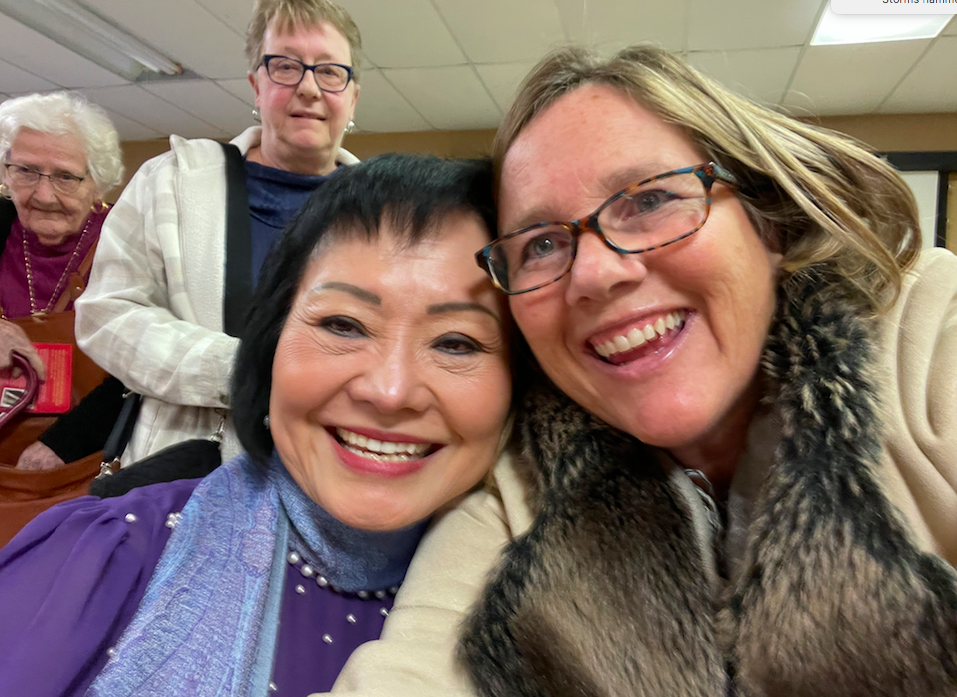
I was very fortunate last week to meet Kim and hear her speak about the day her village was bombed, the famous photo and how it impacted her life, and her path to faith, forgiveness and finding peace in her heart and happiness as a wife, mother and through her work as a UNESCO Global Ambassador for Peace.
Kim, whose name means Golden Happiness in Vietnamese was just nine years old when the Viet Cong invaded her village. The villagers, especially the children, were sent to a nearby temple where they would be safe. When the four bombs hit her village, she ran. The searing heat from the napalm at 1200 degrees Celsius burned the clothes off her body and much of her skin.
Presumed dead, her body was taken to the morgue where she lay motionless, in agony for three days before her parents found her and moved her to a hospital. She was transferred to a burn hospital where she spent the next 14 months.
Ten years later, Kim was studying to be a doctor when the South Vietnamese government had her dismissed from medical school. They wanted her to be a national symbol and puppet spokesperson, but as Kim puts it, she did not want to give them the power over her story and refused to comply. She was sent to Cuba for the next six years, where she met her husband, a North Korean.
Returning from their honeymoon in Moscow, Kim knew one of her only chances for freedom was to defect. When their plane stopped in Gander, Newfoundland for an hour layover and to refuel, she knew what she had to do. She and her husband got off the plane and sought political asylum in Canada.
For many years, the emotional and physical scars of her ordeal (she has undergone 17 surgeries over the years) filled her heart with hatred. But she realized she had two choices, to change her heart, or die from hatred. She said it took years to find peace and forgive her enemies.
She told one story of going to Washington in 1996 and visiting the Vietnam War Memorial. It was a large public event and she was asked to speak. Many Vietnam vets were attending, including the soldier who planned the attack on her village (the pilot who dropped the bombs was actually Vietnamese).
This soldier, named John, came forward and said he had never forgiven himself for the past 24 years for what he did to her and her village. She hugged him, and realized for the first time she was not the only one who suffered that day. They remain close friends to this day.
Kim’s message is still relevant in today’s troubled world: peace, love and forgiveness will always be more powerful than hatred.
I was struck by how beautiful, inside and out Kim was. She radiated peace, goodness, and loved to laugh. Her favourite saying was “No way, Jose!” and she said “eh?” several times, declaring herself a true Canadian.
In 1997, she founded the Kim Foundation International, a nonprofit organization dedicated to helping child victims of war. She still lives in Ajax, Ontario with her husband, and has three children and several grandchildren.
She also shared her secrets for living a happy, successful life:
Free your heart from hatred Free your mind from worry Live simple Give more Expect less
This week is Remembrance Day. As we honour the men and women who sacrificed their lives for our country, and the victims of war, remember the words of the napalm girl, that peace, love and forgiveness will always be more powerful than hatred.
It’s the last weeks of summer. Whether you’re planning a final road trip with the family or just looking for staycation ideas, now is a great time to visit a museum. Here is my top ten list of little museums that are perfect for a one hour or half-day stop. Be sure to check their websites for any free admission days.
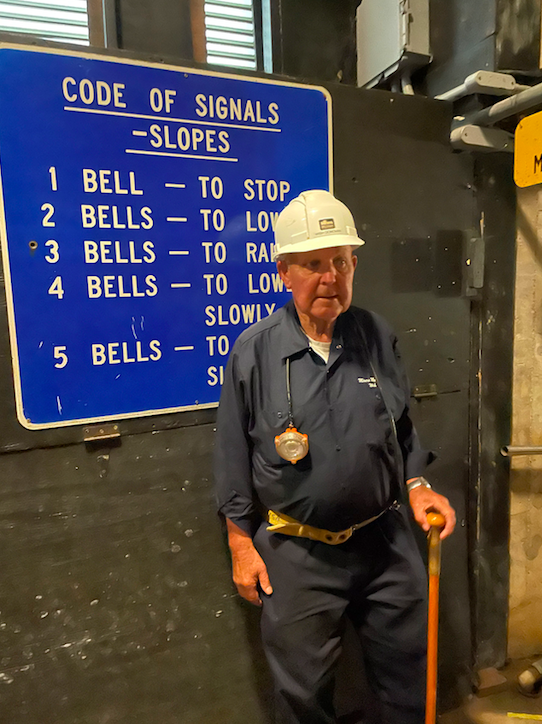
Miner’s museum in Glace Bay, Nova Scotia: while the museum itself is small, the experience is large, making this museum one of my favourites in Canada. Join a former miner as you walk down the stopes underground and learn about coal mining in Cape Breton.
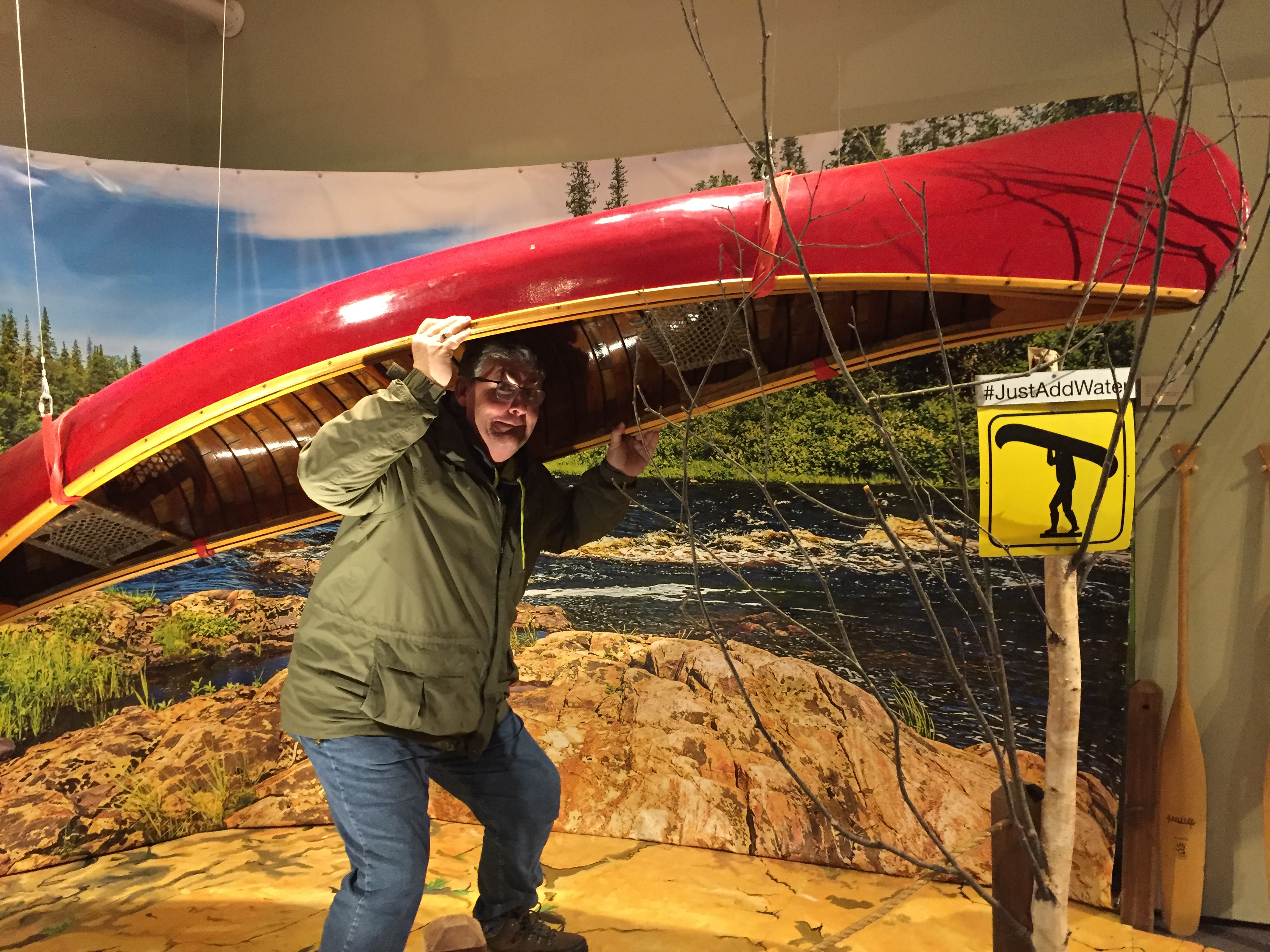
Canadian Canoe Museum in Peterborough: We visited this terrific little museum in 2020 before it expanded and relocated to the shores of the Trent-Severn waterway. I’m itching to go back to see what new treasures and exhibits are on display. You can even now spend a morning or afternoon paddling on site. Read my post An Afternoon at the Canadian Canoe Museum for the full rundown.
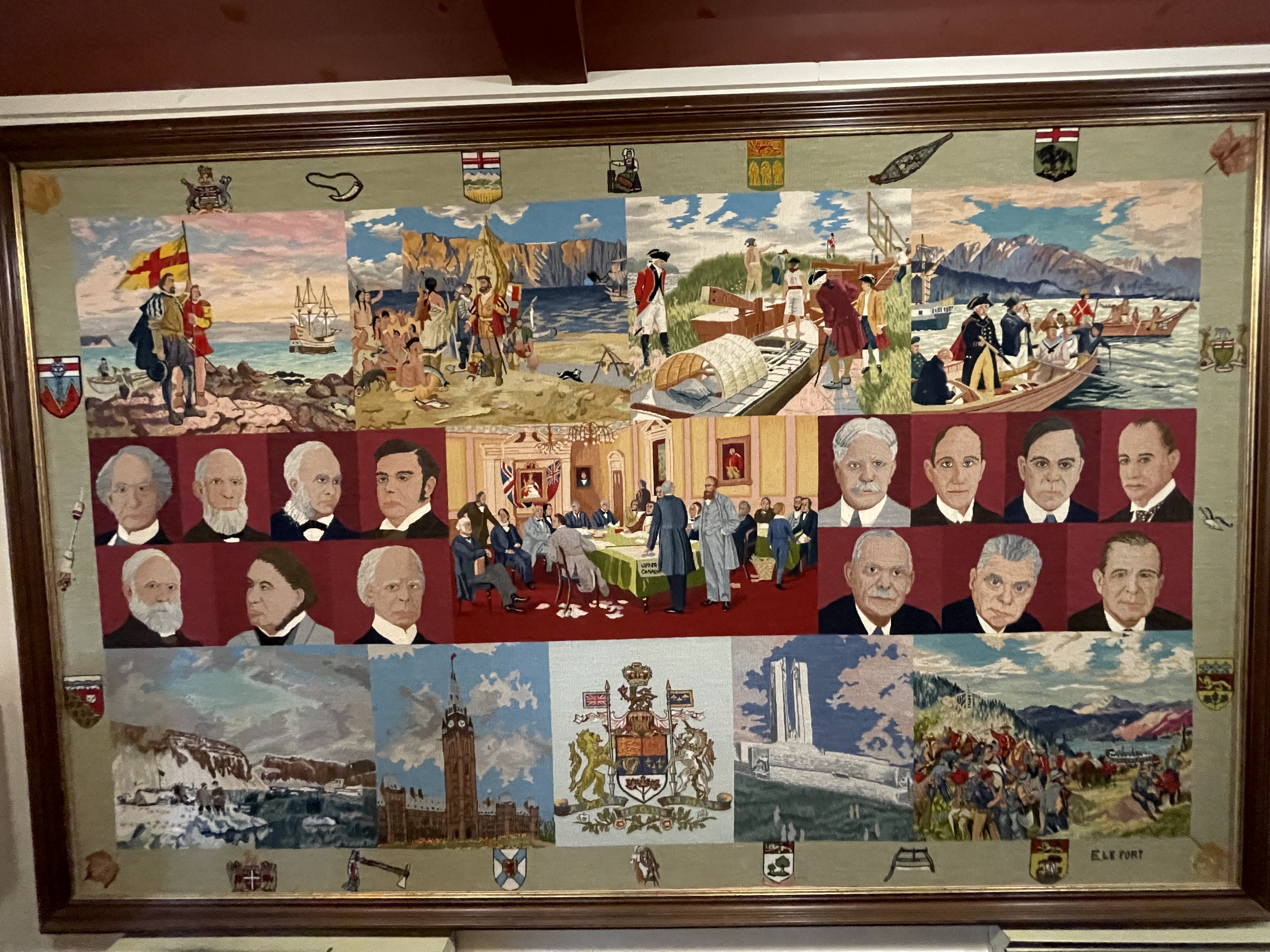
Les Trois Pignons rughooking museum in Cheticamp, Nova Scotia: located near the end of the Cabot Trail, this museum features astonishing works of art made from rughooking, the region’s specialty. It costs only $7 and you can tour it in about half an hour, making it well worth the stop.
Bata Shoe museum in Toronto: Opened in 1995 after the Bata family’s private shoe collection outgrew its home, this famous little museum has been attracting visitors for more than 30 years. Current exhibitions include the history of the cowboy boot, how crime investigators use footprints and footwear in their work, and footwear through the ages.
Toronto Holocaust Museum: Opened in 2023, this new museum on Bathurst St. north of Sheppard inspires visitors to think deeply about the tragedies of the Holocaust and make connections between the holocaust and contemporary world events and Canadian life. Montreal also has a holocaust museum. It’s currently under renovation and will reopen its doors in 2026.
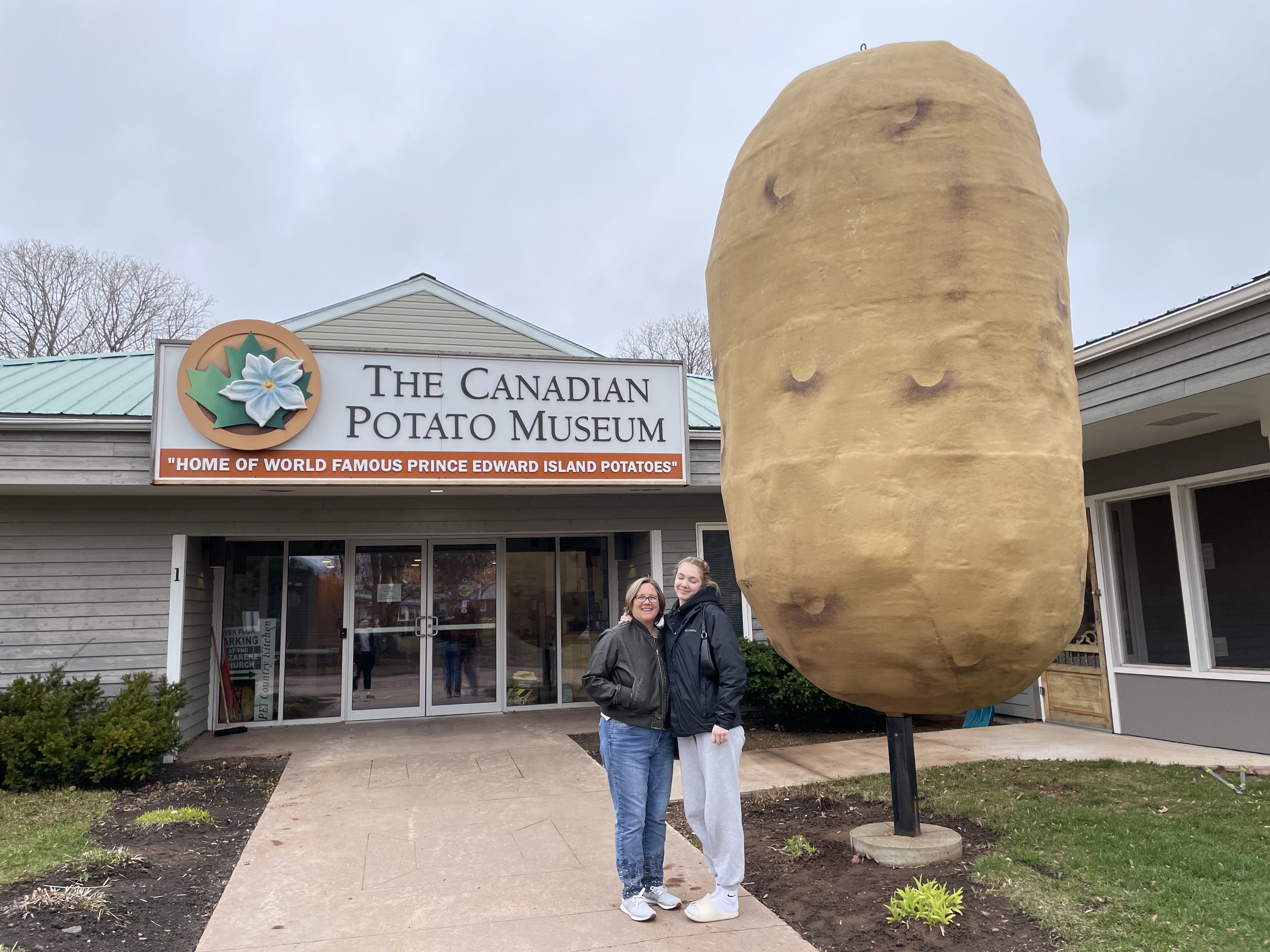
The Canadian Potato Museum in Prince Edward Island: quintessentially Canadian, we loved this little museum that celebrates PEI’s biggest export (20% of the potatoes in Canada come from PEI). Learn about how spuds are grown and their importance to the development of Canada’s smallest province and enjoy a selection of potato dishes in their restaurant. Bonus points for having one of the friendliest and accommodating staff around—our family arrived in late April when the museum was still closed, but they let us in for free and let us look around “as long as we didn’t mind the mess”.
Diefenbunker: located in Carp just west of Ottawa is a four-storey underground bunker built in 1959 by Prime Minister Diefenbaker to serve as the headquarters and communications hub during the Cold War.
Tim Horton’s Museum in Hamilton: located on the second floor of the original Tim Hortons store in Hamilton at 65 Ottawa Street, this little museum recently underwent renovations. Make sure you order a double double when you’re there.
Gopher Hole Museum in Torrington, Alberta: Touted as the “world famous” gopher hole museum, this museum is by donation and features vignettes of gophers and a gopher gift shop. You gotta see it to believe it.
Kingston Penitentiary Museum: eclipsed by the Kingston Penitentiary tours (fantastic by the way and free with the tour), don’t miss this fantastic little museum in the historic warden’s house across from the pen. Learn how famous inmate escaped and life behind bars—the perfect one-hour visit.
This week’s #HappyAct is to visit one of Canada’s great little museums. And my apologies to BC: even though I’ve been to British Columbia many times, I never visit museums because the province is so beautiful, I tend to spend all my time outdoors.
Here’s a bonus museum for when we’re all ready to travel to the States again: It’s a Wonderful Life Museum in Seneca Falls, New York. Still under renovation, plan to visit this wonderful little museum in the future. Read my Lessons on Life and Happiness from the museum.
Photos: above: Dave holding up a canoe at the Canadian Canoe Museum. Below: our guide at the Miner’s Museum in Glace Bay; Clare and I in front of the Canadian Potato Museum this spring; one of the incredible rughooking works of art of Confederation at Les Trois Pignons rughooking museum in Cheticamp, NS.
I just returned from a glorious two-week vacation to Scotland. You can’t visit Scotland without visiting some castles (some call it an “ABC” tour—“Another Bloody Castle”) and we toured several, including one yacht, the Royal Yacht Britannia.
In Europe, there are two kinds of castles: fortresses that served as settlements and outposts built for military reasons to keep out invaders, and castles typically built later in the 1700s and 1800s as grand estates. The last time I visited Scotland in the 80’s, I was very fortunate to have a private tour and tea at one of these grand estates, Brodie Castle in Forres.
The allure of a castle is hard to resist. History, mystery, intrigue and magnificent architecture, set at a stunning location. As you walk on the grey cobbled stones that have stood the test of time, close your eyes and you are transported to a time when royals reigned, nobles ruled and servants sweltered and swept in bustling constant motion. Throw in some dungeons, tales of valour, deceit and death, and ghosts, and the enchantment is complete.
Here were some of the castles we visited this trip:
Dunnottar Castle in Stonehaven: the hike to this castle from the picturesque seaside village of Stonehaven is stunning, along sea cliffs and farmers fields with flowing grasses and sheep and cows grazing. Perched on a 160 foot high rock and surrounded on three sides by the North Sea, the castle itself is largely ruins, but you still get a feel for the settlement that once thrived on the site. William Wallace attacked an English settlement in 1297 here.
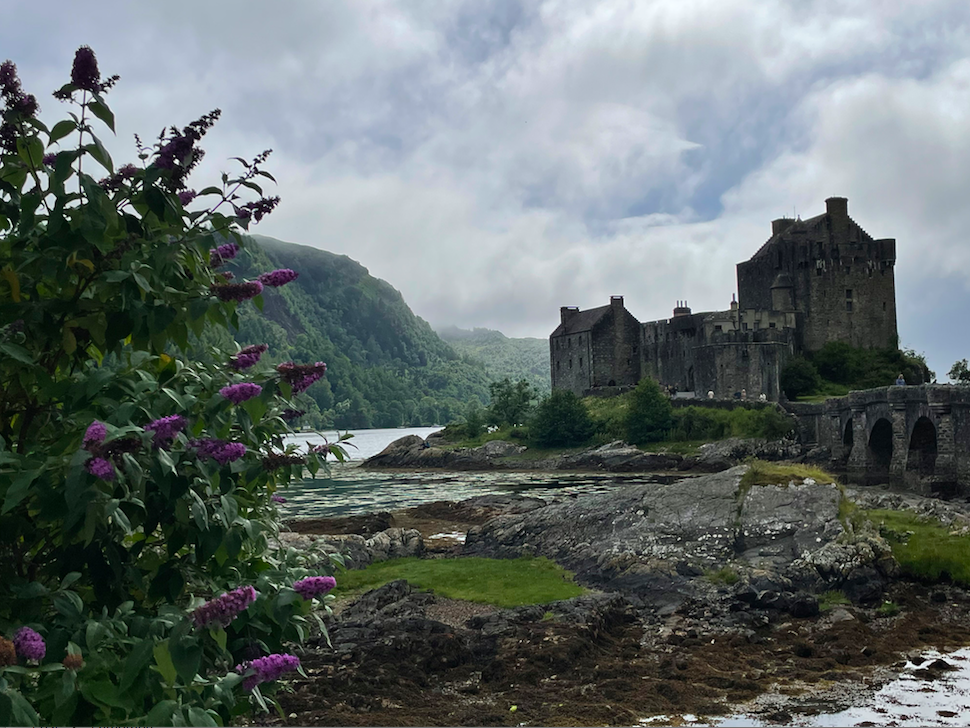
Eilean Donan Castle near the bridge to the Isle of Skye: built in the mid thirteenth century on an island, this is one of the most photographed castles in Scotland, next to Urquhart Castle on Loch Ness. Just as we were leaving, two stealth fighter jets flew over the castle at the speed of sound, leaving us breathless. Pro travel tip: we arrived later in the day when the ticket gate was closed so were able to wander around the grounds for free.
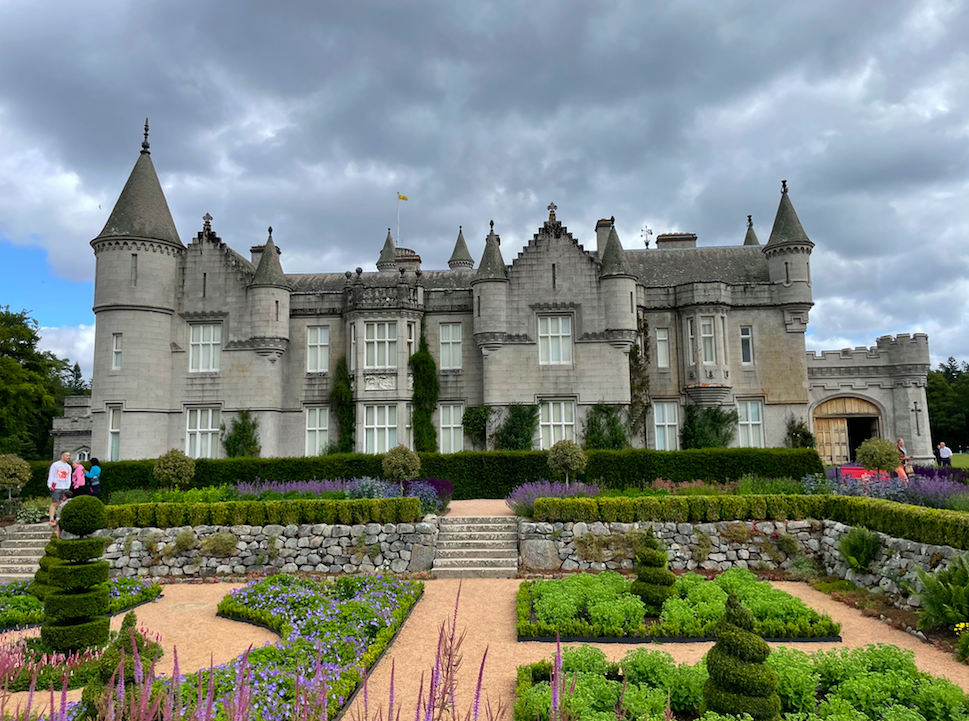
Balmoral Castle, in Cairngorns National Park (pictured at top). The Scottish vacation home of the Royal Family, this 55,000 hectare park features the royal residence, gardens and acres and acres of rugged parkland.
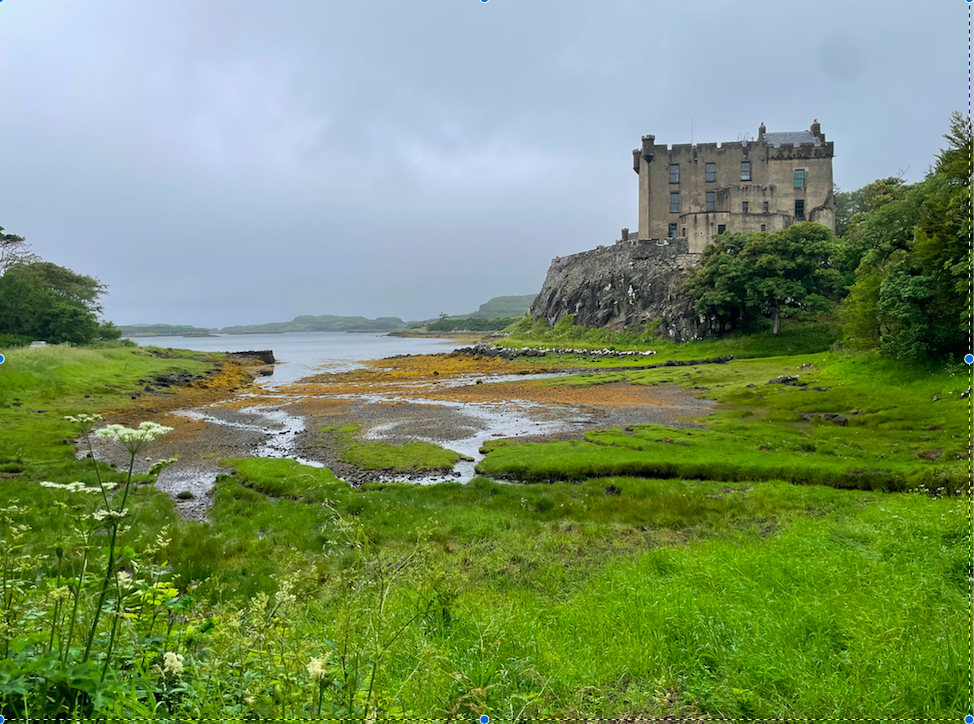
Dunvegan Castle on the Isle of Skye: home to the MacLeod clan for eight centuries, this castle served both a military purpose and as a stately home, with grand living areas, bedrooms and family heirlooms and antiques. (When I was visiting, one of the staff had to kindly ask a young gentleman to put down the 250-year old serving tureen he picked up to examine!) You can even stay at one of six holiday cottages on site.
Edinburgh Castle: one of the oldest fortresses in Europe, Edinburgh Castle has served as a garrison, royal residence, fortress and prison. Its chapel dates back to 1093. It is also home to the Scottish crown jewels. I enjoyed listening to the musician on site play various ancient instruments, including the hurdy gurdy. The photo below is taken from the Grassmarket, a trendy pub area beneath the castle.
This week’s #HappyAct is to pretend you are a king or queen for the day and visit a castle. If you can’t travel overseas, here are a few options closer to home:
Boldt Castle, in Alexandria Bay, New York or by boat from Rockport or Gananoque (**passport required**): built on an island by George Boldt, the owner of the Waldorf Astoria Hotel at the turn of the century for his new bride, this castle is still the jewel of the Thousand Islands.
Casa Loma in Toronto: built in 1914 by financier Sir Henry Pellatt and now owned by the City of Toronto, the 200,000 square foot castle is an excellent example of European elegance and grandeur. Be sure to check out their special events, like symphony in the gardens and sunset concerts.
Dundurn Castle in Hamilton: built in the 1830s, this 40-room palace was home to Sir Allan Napier MacNab, railway magnate, lawyer and Premier of the United Canadas (1854-1856).
If you’re looking for a fun and interesting way to spend a morning, go to an auction.
Yesterday, Dave and I headed out under grey cold rainy skies to an estate auction on Maple Road, just north of Odessa. It was an antique and collectibles auction of a local farmer featuring horse gear and memorabilia, but with lots of interesting household antiques, prints, books, and tools.
The auction company was Snider and Sons, and what made this auction particularly interesting is it was their father who had passed away, so the sons who were the auctioneers had first-hand knowledge and commentary on many of the items.
Some people might balk at bidding on the cherished possessions of a family member who has passed, but I’ve always taken the opposite view, taking comfort in knowing these precious antiques and treasures will be loved and become a part of a new family’s home for generations to come.
There’s always so much to see at an auction, starting with the treasures themselves. There were antique baskets, cowboy and bowler hats, snowshoes, rugs, horse bits, drill bits and wrench sets, stamps, and books under the main tent, and more garden and farm tools on three wagons out in the yard.
I had my eye on a cast iron rabbit, a unique wood carving of an Indigenous chief and eagles, some signs, including a No Fishing sign I wanted for the lake where our geothermal coils are in the water, and some antique oil lamps.
I was bidding on this unique wood carving but it ended up going for more than I was willing to pay
Sometimes there are items that nobody knows what they are; sometimes there are items you haven’t seen in years, like the stoneware bed warmers called “pigs” that sold yesterday for $10.
These stoneware pigs were used as bed warmers in olden days
Then there’s the people. You get “all kinds” at an auction, from serious collectors, to local farmers, and casual bidders like me who just love a good auction and turn up for fun. There was one couple who bid only on tire-shaped ashtrays and cigarette lighters (they had a whole box of them by the end of the auction), a younger woman and older fellow who got into a bidding war whenever antique horse bits were on the auction block, and a guy who wouldn’t bid on anything over $10.
The fun thing about an auction, unless you’re an expert or a collector, is you never know what price things will go for. Some box lots can go as low as $1, but then a pair of wrenches (these ones were rare Comet and Oxo wrenches) went for $75. I was surprised when two small sleeves of stamps went for $370.
There is a noticeable excitement in the air when rare or big ticket items come up for bid. At yesterday’s auction, the biggest items were Black Horse Ale collectible statues that went for $1,500 and a custom display of antique horse rosettes or pins that went for $3,100. The crowd applauded after the bidding ended.
If you’re new to the auction game, there are some things you should know. First, not all auctions are alike. The ones we like best are estate auctions, where you can get a glimpse into the person’s life and the contents are from one home (some auction houses will combine lots).
Always get a bidding number even if you’re not sure you want to buy anything. You don’t want to be unprepared if something comes up you want to bid on.
A good auctioneer will signal what an item is worth and what they hope to get in their opening chant. The first amount they say is what it’s worth, the next amount is closer to what they are hoping to get, then they’ll come down to where people want to start bidding. So they may say, “$100, do I hear $100, $50, do I have $50, $25…” and maybe starting as low as $10, but if the auctioneer started at $100 and dropped it to $50, there’s a good chance the item will go for between $50-$100.
In the end, I only walked away with my no fishing sign, $10 well spent for a morning’s worth of entertainment.
This week’s #HappyAct is to go to an auction, but hurry, before it’s going once, going twice, sold!
I made a new friend last night. His name was Alan.
Alan was sitting alone reading the Globe and Mail and sipping a pint of Stella when Dave and I wandered into the Toucan pub in Kingston last night, killing time between two movies at the Kingston Canadian Film Festival.
We got to talking, as strangers are wont to do in a bar, the conversation starting with Trump and the situation in the US, then veering into Alan’s fascinating life.
A son of a diplomat, Alan spent his childhood living around the world in countries like Afghanistan, Pakistan, the Belgian Congo, Lebanon, Portugal, Spain, and Sweden. He shared one story from the time when he was a boy in Pakistan of one of the British dignitaries’ wives separating the children into teams of colonials versus locals for games at a British garden party.
When he graduated from university, he became a land technician with the Ministry of Natural Resources, a job he said he absolutely adored. One project he led was researching all the treaties to create Petroglyphs Provincial Park in Peterborough. He shared how for thousands of years, the various Indigenous peoples of that region took turns scraping the moss from the Teaching Rocks, passing down the teachings from generation to generation.
When I had jokingly said we’d be better off if women were in leadership positions around the world when we were talking about Trump, he smiled and leaned in and talked more about the belief of Indigenous Peoples in Gitche Manitou, the “goddess of supreme being” and how women in Indigenous cultures were tasked with the most important role, taking care of the home and children.
After his time with the MNR, Alan founded his own communications company and started doing documentary work. He travelled to the Congo in 1995 to document the outbreak of Ebola. The stories he shared were fascinating. He said both the US and Russian armies were present, but not to help the dying and suffering. They were there to see if they could weaponize the virus. That never made it into the film.
Over the course of a few hours and pints, we talked about fishing, travelling, our children, the Montreal Canadiens, Canada-US relations and how lonely it can be living alone.
As we paid our bill and gathered up our coats to head out into the chilly February night, I gave Alan a big hug and said I hope we meet again. Two barflys, no longer strangers, now friends after sharing a special bond in a bar.
This week’s #HappyAct is to wander into a bar and make a new friend. Here are a few bar jokes to leave you smiling:
Three vampires walk into a bar. The first one says, “I’ll have a pint of blood.” The second one says, “I’ll have one, too.” The third one says, “I’ll have a pint of plasma.” The bartender says, “So, that’ll be two Bloods and a Blood Lite?”
A bartender says, “We don’t serve time travelers in here.” A time traveler walks into a bar.
A three-legged dog walks into a saloon, his spurs clinking as he walks, his six-shooter slapping at his furry hip. He bellies up to the bar, stares down the bartender, and proclaims, “I’m looking for the man who shot my paw.”
Dear friends. I hope you are well. I’m writing this letter to let you how very, very unhappy the people of Canada feel towards you right now.
I’ve enjoyed and valued our friendship over the years. Getting to know you at conferences and enjoying lively conversations over dinner and fun nights out exploring your cities, and the adventures during our travels in your beautiful country.
We’ve shared memories, values, and beliefs, but now it seems you want to pick a fight.
It hurts us when you refer to Canada as the 51st state and want to slap tariffs on all our goods, destroying decades of prosperous free trade for both our countries.
As Canadians, we feel hurt, betrayed, and angry.
If this is how you treat your friends, I shudder to think how you treat your enemies.
We understand your pain and frustration. During our travels, we’ve seen first-hand the economic decay of your country, from the derelict empty storefronts in your small towns to the abandoned factories and the “rust belt” of America.
You believe you will make America great again, a formidable global superpower. But you are misguided. The world has changed and your place has changed in it. Your power has waned. And while you think tariffs will restore your prosperity and place you at the top of the world pedestal of power, it won’t. That ship has sailed.
You’ve always sensed but never understood why the rest of the world dislikes you.
I remember years ago when I was backpacking in Europe hearing a young American boy say to someone, “Oh, you speak American!” The person replied, “No, I speak English”.
Later that night at the hostel, the European travellers tried to explain to him why Americans weren’t liked. That to the rest of the world, it always seemed like you had a chip on your shoulder, that you were arrogant.
That you meddled in other people’s affairs, sometimes overtly, sometimes covertly if there was something of value at stake like oil or natural resources, but were nowhere to be seen when wars or atrocities happened in poor countries.
I never knew if you didn’t know how people truly felt about you or if you knew but just didn’t care.
Some of you may be under the false impression that we are essentially the same, but you just have to look to our national anthems to understand how we are different. Yours is about battles and armaments with rockets glaring and bombs bursting in air. Ours is about patriot love, glowing hearts and being strong and free.
We will never be the 51st state. Canada will always be strong and free.
You have slapped us in the face, so we will look for new friends. Friends we can trade with, visit, and work with to create a better world.
I can’t help reflecting on two important anniversaries.
On February 24, 2022, Russian forces invaded the Ukraine. While the invasion was ordered by Vladimir Putin, the Russian people have been complicit in this flagrant breach of international law and aggression and have been silent. Perhaps they are misinformed, believing whatever propaganda their government is feeding them, or believing that if Ukraine had joined NATO it would somehow be a threat to Russia’s sovereignty. The bottom line is the Russian people have allowed it to happen.
January 27, 2025 marked the 80th anniversary of the liberation of Auschwitz. The liberation of this most famous of the concentration and extermination camps that killed six million Jews during the Second World War shed light on the atrocities and evil of Adolph Hitler and the Nazi regime.
The German people could have prevented Hitler’s rise to power, but they too stood silent despite early signs. In November, 1923 the Nazi Party led by Adolf Hitler attempted to overthrow the government using violence. It resulted in Hitler’s arrest and a temporary ban on the Nazi Party. And yet, the German people voted for the Nazi Party a decade later when Adolph Hitler was appointed Chancellor.
Hitler systematically destroyed democracy in Germany in his first two months of power through constitutional means by changing laws or looking for weakness in laws. The German people did nothing.
My American friends, you don’t have the excuse of not knowing what is happening in your own country. And you have the power to do something about it. You still live in a democratic society. For now.
Take action. Write to your elected representatives. Organize or join a protest. Refuse to implement edicts that hurt others, either within your own country or outside its borders. Don’t turn your back on Canada. Don’t turn your back on the world.
I wanted to end this letter by sharing this photo of our Canadian flag being unfurled yesterday in Ottawa, on its 60th birthday. We are and always will be #CanadaStrong.
P.S. Please know when we are booing your national anthem at sporting events, we are not booing the players, the team, or your anthem. We are raising our voices in political protest to be heard. Make your voice heard too.
Yesterday, my South Frontenac Stocksport Club at the invitation of the Austrian embassy in Ottawa participated in a Winter Celebration at Rideau Hall as part of Winterlude, followed by dinner at the Austrian ambassador’s house.
It was a frosty bone-chilling day—one of the smiling volunteers who greeted us had icicles hanging from his moustache!, but the sun was shining, the skies were blue and everyone was in high spirits despite the looming threat of a trade war brewing with the US.
Even though I lived in Ottawa for a year, I had never been to the residence of the Governor General located in the beautiful Rockcliffe neighbourhood near the Prime Minister’s residence. The original stone villa was built in 1838 by Thomas MacKay who was one of the contractors on the Rideau Canal. Rideau Hall has been home to the Governor General, the Queen’s representative in Canada every year since Confederation. Rideau Hall is free to tour year-round, although reservations are required in the off-season.
I took a break from helping demonstrate ice stock (for more on the sport of ice stock, see this post) to tour the expansive grounds. There were booths and exhibits from several embassies and organizations. The Embassy of Finland had kicksledding, the Embassy of Norway skiing, and the Embassy of the Kingdom of the Netherlands showcased Dutch shuffleboard.
All the booths were handing out free treats and drinks native to their country and there were live musical performances and dancing . Since our club was set up on Rideau Hall’s skating rink, a nice alternative when the canal is chock-a-block full of people, we got to see a figure skating demonstration presented by Can-Skate Canada.
At one point, the Governor General herself, Her Excellency the Right Honourable Mary Simon came by, threw a stock and had her picture taken with our club members. I met her husband Whit Fraser and enjoyed petting their friendly lab pup Neva. I later saw them watching an Indigenous square dance at one of the other exhibits. You can learn more about the incredible work Mary Simon and her husband have done on Indigenous and northern issues on the Governor General’s website.
Above: Our Stocksport Club with Her Excellency, Mary Simon, the Governor of General, pictured third from the right. Below: our club President, Karl Hammer chats with her excellency and representatives from the Austrian embassy
Everyone was so lovely and kind, and I enjoyed meeting people from all over the region—students, government workers, military and security personnel who braved the cold to enjoy the outdoor activities.
After the event was over, we went to the Austrian ambassador’s house for a delicious Austrian meal of goulash, gluwhhein or glogg, a mulled wine, and fluffy Austrian pastry. Our hosts were His Excellency Andreas Rendl and his lovely wife Ava, and I enjoyed chatting with them to learn more about a day in the life of an ambassador and their experiences in Canada, their final posting before Andreas retires in a few years.
It was a wonderful day and experience and made me especially proud to be Canadian on a day that I’m sure will define us as a nation in the years ahead.
This week’s #HappyAct is twofold: visit one of Canada’s beautiful heritage properties or museums and get out and enjoy the last vestiges of winter since according to the groundhog, it will be an early spring! Winterlude continues in Ottawa from now until February 17.
Her Excellency Mary Simon watching Indigenous dancing at Rideau Hall
Karl Hammer, President of our South Frontenac Stocksport Club with our unofficial club ambassador Tyler, with Andreas Rendl, the Austrian ambassador to Canada.
Get ready, the apoco-eclipse is coming Monday, April 8. Here in southeastern Ontario, we are in the
….PAAAATH…..OOOFFF…..TOTALITY (said with a low booming echoing voice for maximum effect.)
For a whopping three minutes, the moon will pass in front of the sun and the earth will be in total darkness during the middle of the day, from 3:22 to 3:25 pm to be exact in South Frontenac.
From all the warnings and hype about massive traffic snarls and millions of visitors expected in the region, you’d think the world is coming to an end. My retinas are already burning from reading all the warnings about not looking at the sun directly and how to view the eclipse safely.
Granted this is a once-in-a-lifetime event. The last total eclipse in North America was in 2017 over the northwest US, but back then the eclipse’s path just 71 miles wide, compared to 122 miles AND the total time the moon completely covered the sun was just 2 minutes, 40 seconds compared to over 3 or four minutes this time depending on where you live.
I wasn’t sure just how big a deal this was, so I decided to ask an expert, my old high school buddy Brad Gibson, Professor and Director of the E.A. Milne Centre for Astrophysics at the University of Hull in England. Brad does presentations and TedTalks on subjects like will we ever live on Mars, the top 10 coolest things about outer space and are we alone in the universe?
Being the cool astrophysicist dude he is, Brad confirmed that “a total solar eclipse is always a blast”. He said they aren’t all that rare if you look at planet Earth as a whole since once every 18 months there is a total solar eclipse somewhere on the planet. In any given city, it’s more rare, like once every 300 years. I asked Brad what he’ll see in the UK and he said they’ll see a partial eclipse with about one-third of the sun blocked.
I also didn’t know that some weird and wonderful things can happen during an eclipse too. Animals can get confused thinking it’s nighttime, radio waves have been known to become scrambled, and seconds before totality, you may see shadow bands, or wavy strips of light and dark dancing on the ground like water at the bottom of a swimming pool.
During the time of total darkness, you may also see the stars and planets, especially Venus and Mars. Now that’s cool.
Personally, I’m more of a northern lights, super moon, meteor shower kind of gal. The nighttime celestial shows outshine any daytime event, even the apoco-eclipse, throwing it into the shade.
This week’s #HappyAct is to get your ISO-certified eclipse glasses and get ready to enjoy the spectacle on April 8. And for those nighttime celestial lovers out there, they say tonight’s a good night to see the northern lights.