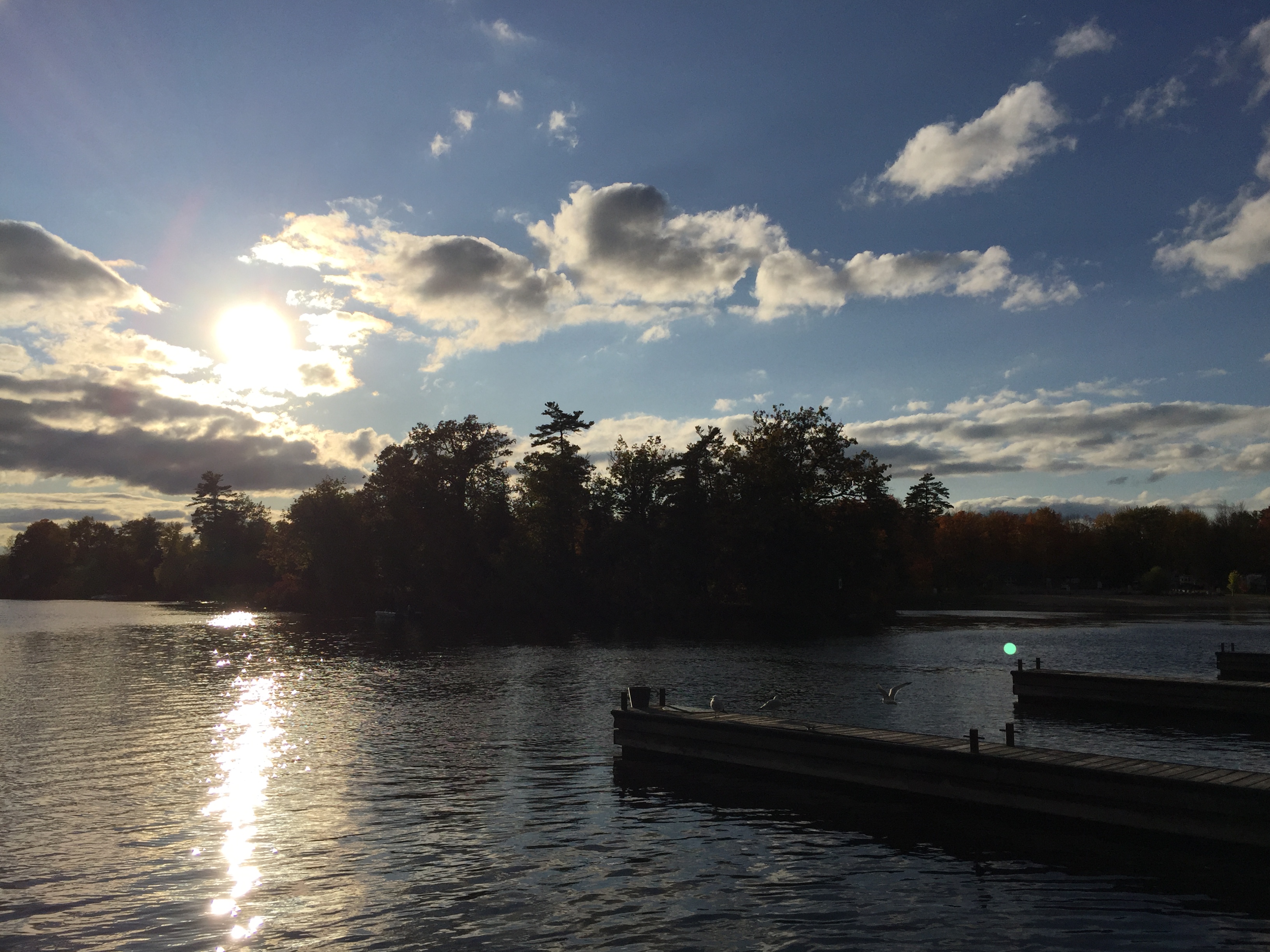
I was standing on my dock today, watching the sun sparkle on the water on yet another glorious summer day, and all I could think was “How lucky am I?”
How lucky am I to be able to wander up my driveway on a jet black night, gaze at the stars and milky way, and watch meteors stream across the sky?
How lucky am I to have a family who loves me and makes me laugh and who I still want to spend time with more than anyone else in the world?
How lucky am I to be healthy and happy in a world where at every turn, there is a constant reminder we should never take our health for granted?
How lucky am I to have never enough, but enough, money for my wants and needs?
How lucky am I to have a spouse and partner who deserves his crown as the President Choice of Husbands?
How lucky am I to have friends and neighbours who look out for each other and know the value of community?
How lucky am I to watch the grin on my first-born’s face as she lands a five-pound bass after it dances across the water?
Some people say, just be lucky you’re alive. But being alive doesn’t make you lucky or happy.
I have had my share of loss, grief, pain, fear, doubt, and uncertainty.
But how lucky am I?
Note: There’s still time to catch the Perseid meteor shower. The Perseids peak every August as the earth passes through the debris of the Comet Swift-Tuttle. They are supposed to be even more spectacular this year. Last night didn’t disappoint. I saw three meteors, one fireball that spanned the entire sky. We found 11 p.m. to midnight to be the best viewing time. Look to the northern part of the sky near the big dipper. For more on star gazing, see my post gaze at the stars.
I have been spending more time in my screened-in gazebo this summer. Not only during the evening cocktail hour, but as day turns to night. It is one of the best times to sit back, listen, and watch the show.
There is that magic time when the sun sets and the daytime creatures tuck into bed and the nighttime creatures wake up.
The crickets get going first, then the creepers and tree frogs. Next, the whip-poor-will calls out….and if he is close by, he goes on and on and on. Anyone who has heard one knows exactly what I mean. They are very difficult to see as they are masters of camouflage, but you can’t miss their call. Around our place, they like chatting with their friends and we often hear them calling back and forth in the night.
As I sit still and listen to the nighttime symphony, you can also tune in to all the bugs that are busy buzzing in the night (definitely glad to be in a screened enclosure!) I’m not sure what different species there are–not a real bug lover–but I can confirm the mosquitos are alive and well.
The best part of the evening is the call of the Great Horned Owl. We also have a few in the area that like to chat with each other. I find their call peaceful and soothing, not like my whip-poor-will friends. When you hear the owls, you get to know each has a distinctive call and they do sound like wise owls as they calmly chat with each other. I wonder what they are saying?
This week’s #HappyAct is to eavesdrop on nature at that special time from dusk to dark the next time you are in the country. I can guarantee you won’t be disappointed.
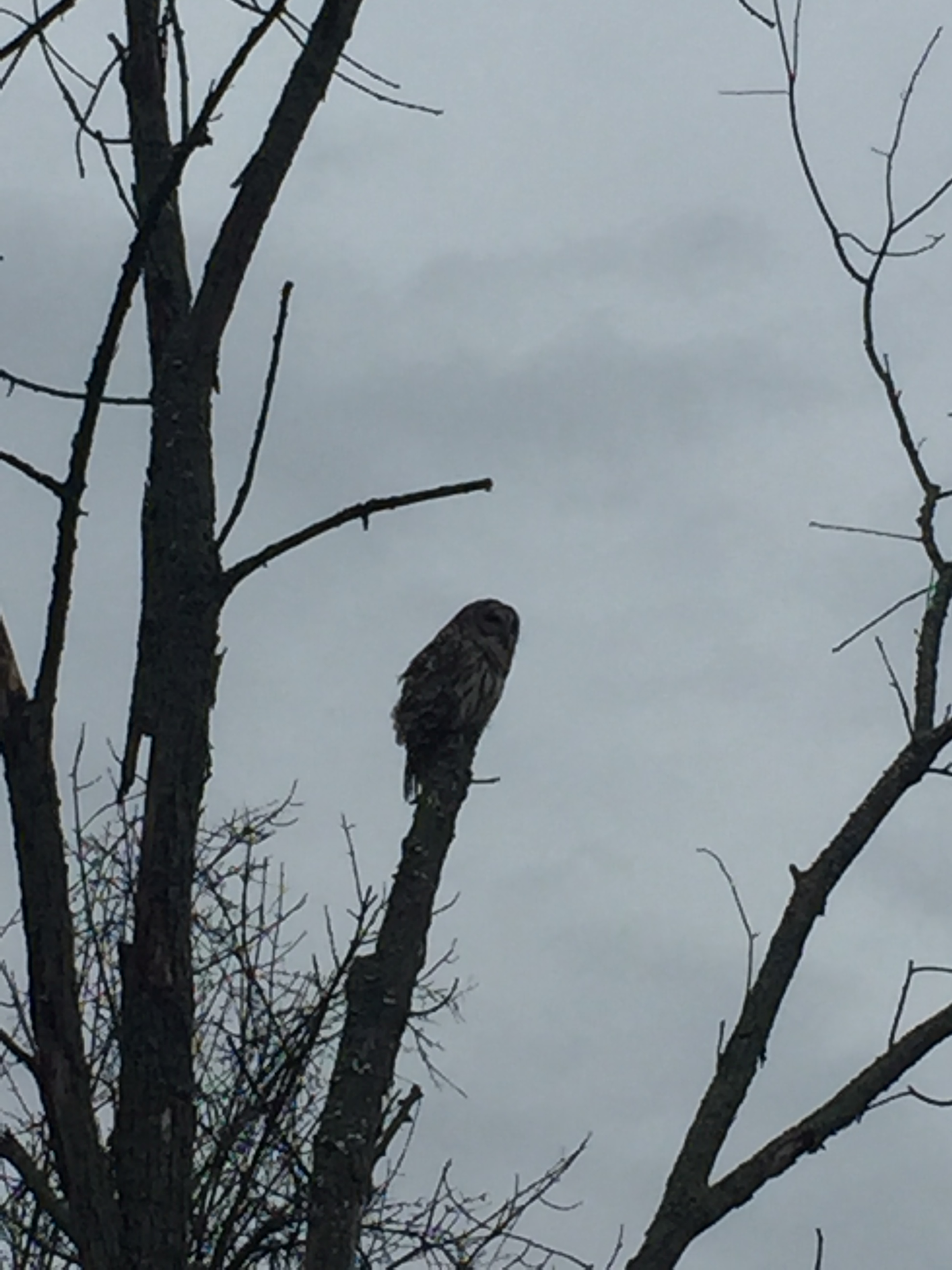
Editor’s note: We are very lucky to have several owl species in Eastern Ontario. While Alison may be hearing Great Horned Owls, she may also be hearing the popular Barred Owl, which is famous for its “who cooks for you” call. If you are ever lucky enough to see these shy magnificent creatures, the Great Horned Owl has yellow eyes and tufts of feathers protruding above the eyes, to make it look like they have horns. Barred owls have brown eyes and no tufts. This is a picture of a barred owl I took at Lemoine’s Point Conservation Area–not a great picture, but he was still a handsome fellow. You can see the difference between him and the Great Horned Owl, pictured below. Happy hooting!
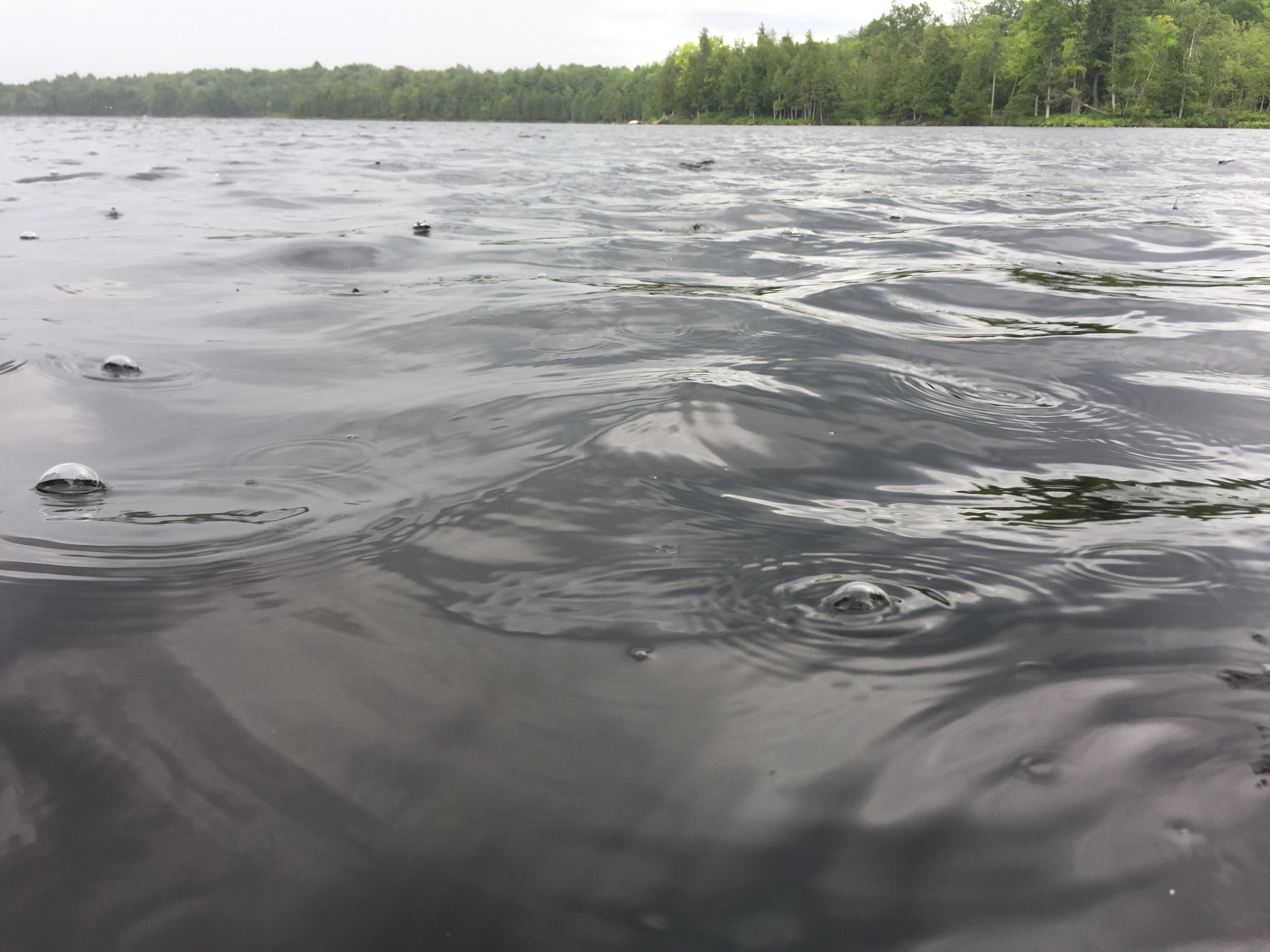
My hands move rhythmically beneath the surface of the water The water parts unwillingly, creating a wake with each stroke
The water is calm and cool Dark clouds swirl above Threatening the peace and stillness
The first raindrops fall Tiny circles ripple across the surface
The drops grow in intensity and size Until the entire lake is like pebbled glass Or bubble wrap in an Amazon shipment
The raindrops make a perfect, pitter patter pattern Pounding down, then reversing upwards to the storm clouds The skies’ tears flowing freely
I glide through the water Watching the drops dance and leap like the lead dancers in a ballet It is blissfully peaceful
A thin veneer of fog forms on the horizon A rainbow appears and I swim towards my treasure The droplets cleansing my sins
Ed. Note: I wrote this poem one day last week on my iPhone after I went for a swim in the rain. I’ve never figured out why people don’t swim when it’s raining. You’re going to get wet anyway. I find swimming in the rain one of the most beautiful, peaceful times to swim. Of course, at any sign of thunder and lightening, make sure you get out of the water to be safe.
This week’s #HappyAct is to swim in the rain. Enjoy!
It’s official. I’ve gone Covid crazy and have started talking to the animals. I have become Dr. Dolittle.
I had no choice. After four months of living in close quarters, my family has stopped listening to me. The animals still listen.
I had a spat the other day with a five foot black rat snake that was crossing the road. I started off asking him a joke. “Why did the rat snake cross the road?”. He just lay there, heckling me in silence. Then I told him he better hurry up or some mean person might run him over. I kicked a few pebbles toward him to urge him along. He recoiled and hissed at me. “How ungrateful”, I said.
The next day I had to apologize to a kingfisher when I startled him in the back lake. It was very still, and as I paddled up to him, I let out a huge sneeze. He jumped two feet off the branch and flew away, chattering the whole time. “I’m sorry, your highness”, I yelled as he flew off in a huff.
I presided over a christening for our loon family on the lake. We christened the baby “Letty” since her parents are Lionel and Lucy. They inform me Letty is doing just fine, and has learned to dive and fish.
I swore at a fellow creature when I surprised a mother bear and two cubs on my nightly walk. I was on a desolate stretch when I heard a rustling in the trees beside the road. Thinking it was a deer, I stopped and peered in the woods. I heard a few snorts, then saw two bear cubs scramble up a tree.
“Holy sh**t” I exclaimed, then looked to the left to see the mother standing on her hind feet, staring at me. Running through my head was the silly song, “The other day, I saw a bear, a great big bear, away up there… she looked at me. I looked at her”, then we both took off in opposite directions.
Mostly I’ve been having friendly conversations with our little chipmunk that Clare has been feeding. We talk about the weather, what’s for breakfast, how many nuts he can stash in his cheeks (he says 12), and how many tunnels he’s dug under our lawn.
Oh, if I could talk to the animals, think of what fun it would be…
Last week, I blogged about the abundance of birds who have made this spring a delight. It’s only fair that I give the same air time to the animals who have reclaimed the land during COVID-19.
There have been many news stories about foxes, raccoons and other animals being seen more frequently in urban areas. Just this past Friday, a moose decided to take a dip in a south Ottawa pool. It was a hot and muggy day, so who would blame him. I heard a deer wandered in front of one of our local radio stations here in Kingston last week too.
For those of us who live in the country, run ins with wildlife are a regular occurrence. But even at our house, we had three interesting wildlife encounters in this past week alone.
Last Saturday, I was woken up by a strange screeching sound around 4:30 or 5 in the morning. I went back to bed, but in the morning, the ruckus continued and we discovered two porcupines screaming at each other in the tree down our path. I’ve seen and heard a baby porcupine cry when it went too far on a branch and couldn’t get back to its mother. They make the weirdest sound, something between a screech and a squawk. Well, the first porcupine at the top of the tree was squawking at the other one to get out—it was his tree. Finally, the second one climbed down the tree and loped down the path in defeat. Watch this video to see what they sound like.
The next day, Clare and I were sitting on the dock when we heard rustling in the underbrush on the hill between the lake and our deck. The last time we heard this, our neighbour’s dog Buddy was chasing a baby fox across our property. This time, it wasn’t Buddy, or a fox, but a fast moving brownish animal with a bear like face and a stubby tail. He went up the hill toward the house, but then came down the path and stopped behind the canoe, only about 10 feet away from us. It was a fisher.
Now I don’t know how much you know about fishers, but you definitely don’t want one on your property. They are vicious and one of the only animals that will kill a porcupine (I thought of our prickly friends from the day before and hoped they made a clean getaway). Fishers have rapier like claws and will kill cats, small dogs, and any small animals.
There was even a story in the Whig-Standard a few years ago of a fisher that dropped from the trees on a local hunter (a relative of my friend Karen who took the black-necked swan photos from last week). He said the only thing that helped him not be seriously injured was he was wearing a hood.
I was surprised at how fast this particular fisher could move. After hiding behind the canoe, he went back up the hill. Clare said she saw him as she was walking up the path, his brown face peering out between a crevice in the rock face only about twenty yards away. We’re still a little freaked out every time we pass the cliff on the way to the lake.
Our final wildlife adventure came two nights ago when we heard something moving on our front porch. We have a bad habit of throwing our recycling on the porch, then taking it to the barn the next morning. I had tossed out a coffee cake container, and there was a very handsome raccoon helping himself to the crumbs. Raccoons can be nasty too (we’ve lost several chickens to raccoons) and last winter, we had one big fat fellow eating our bird seed every night on the back deck, but at least this guy was kind of cute.
This week’s #HappyAct is to go wild for the wildlife. What encounters have you had in the wild?
Our little house wren on the post beside her new home
There have been several interesting and unexpected phenomenon that have come out of COVID-19. One is how the animal world has reclaimed territory as humans have retreated. Nowhere more can this be seen than in the abundance of migratory birds in Eastern Ontario this spring.
While I wouldn’t exactly call myself a birder, I have enjoyed watching and identifying all the species that we’ve seen on our property in the past few weeks as the weather has gotten warm.
We’ve had all the usual suspects: blue jays and eastern kingbirds, goldfinches, woodpeckers and robins. The herons, loons, barn swallows, kingfishers and red-winged blackbirds have all returned to the marshes and lakes.
But I can’t recall seeing so many different types of birds like we have this year. We’ve seen flickers, cowbirds, bobolinks, baltimore orioles, rose-breasted and black-headed grosbeaks, yellow-rumped warblers and blackburnian warblers. We’ve even had two wood ducks show up several mornings in the trees watching us eat our breakfast.
And the songs, oh the songs. This morning, as I was planting my annuals and perennials, I was serenaded by a beautiful brown house wren who has taken up residence in one of our birdhouses, while a rose-breasted grosbeak tried to drown her out with his own magnificent melody. If you look up the song of a grosbeak in the bird book, it says, “rising and falling passages, like a Robin who has taken voice lessons.
My friend Karen sent me a picture of two black-necked swans that flew over their boat at their hunting camp near Tamworth. They are considered “exotic” so you would normally never see them in this region.
Yes, it’s been a banner year for the birds. This week’s #HappyAct is to get out and make a new fine feathered friend. Happy birding.
When the weather is blustery outside, a great way to while away the afternoon is indoors at your local museum.
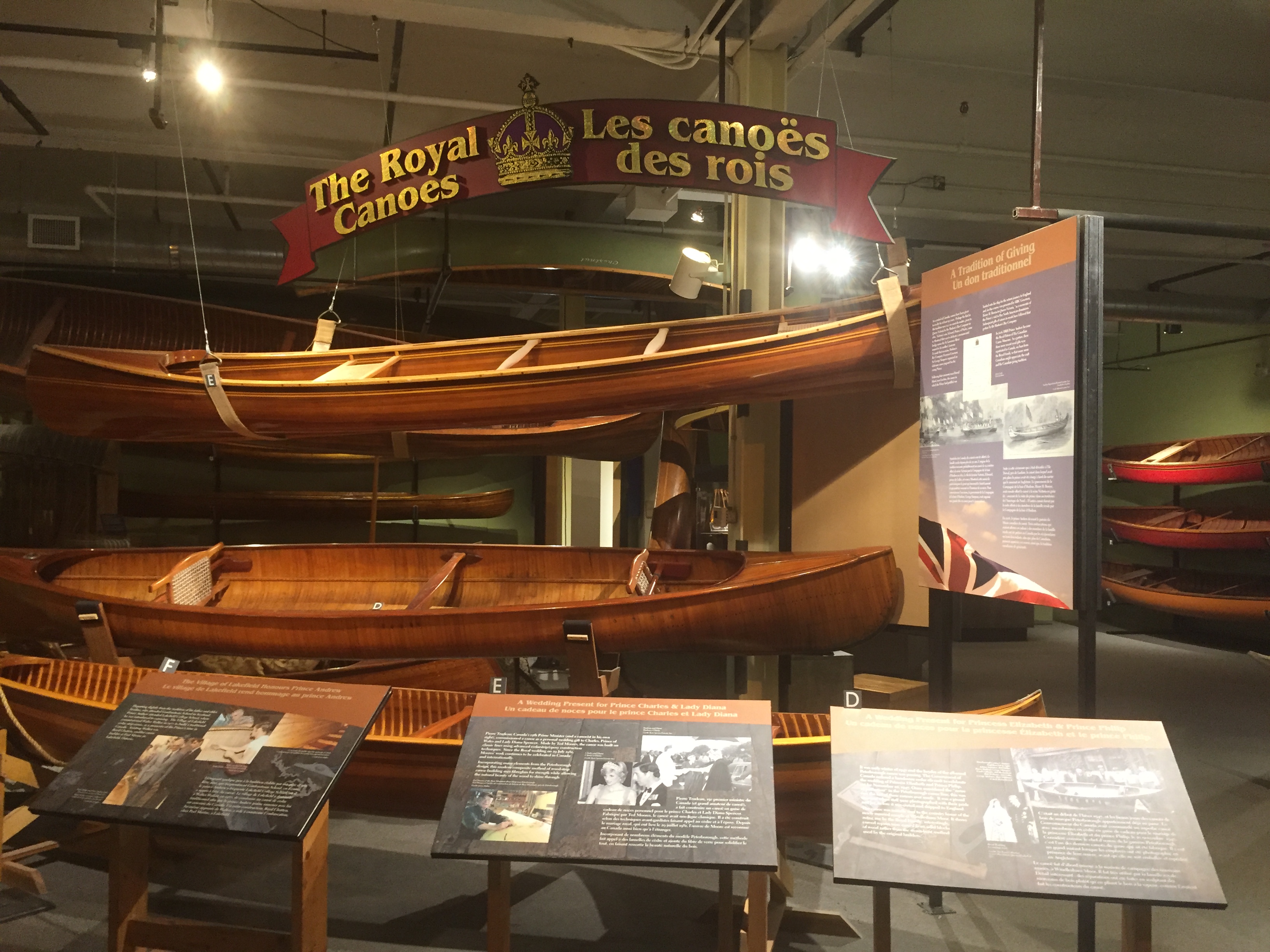
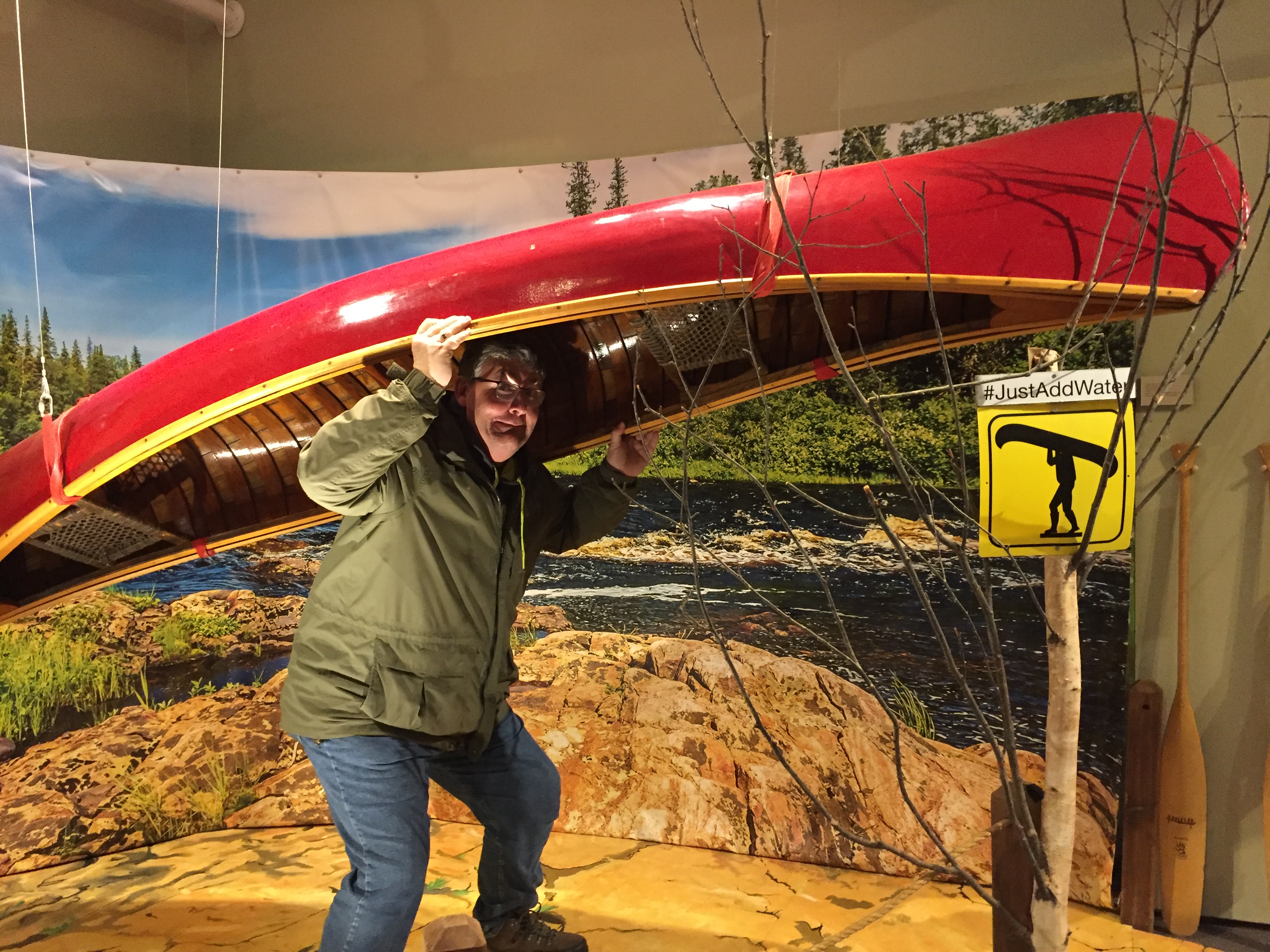
Last week, Dave and I spent two hours wandering around the Canadian Canoe Museum in Peterborough.
The history of the museum is quite interesting and I found as I wandered around its circular exhibits, a strong connection to its history and contents.
The collection of canoes that now call the museum home was started by a guy by the name of Kirk Wipper. He was given a dugout canoe in the 1950s, which inspired his passion for collecting canoes. Kirk was the founder of Camp Kandalore, a well-known summer camp north of Minden. I spent many a summer near Camp Kandalore since my best friends’ cottages were just a few lakes away.
The collection became the foundation for the museum’s artefacts, and now the museum has more than 600 canoes.
There’s the iconic red canoe famously painted by Robert Bateman. Bateman by the way had a family cottage very close to Camp Kandalore. It just went up for sale a few years ago.
There’s Gordon Lightfoot’s canary yellow canoe, memorialized in song. The make was Old Town, still one of the best canoes made in Maine, and the same make as our trusty green canoe given to us by friends for a wedding gift.
One exhibit showcases the canoes given to members of the Royal family in Britain. Prince Andrew, of course, came to Canada to study at Lakefield cottage just north of Peterborough.
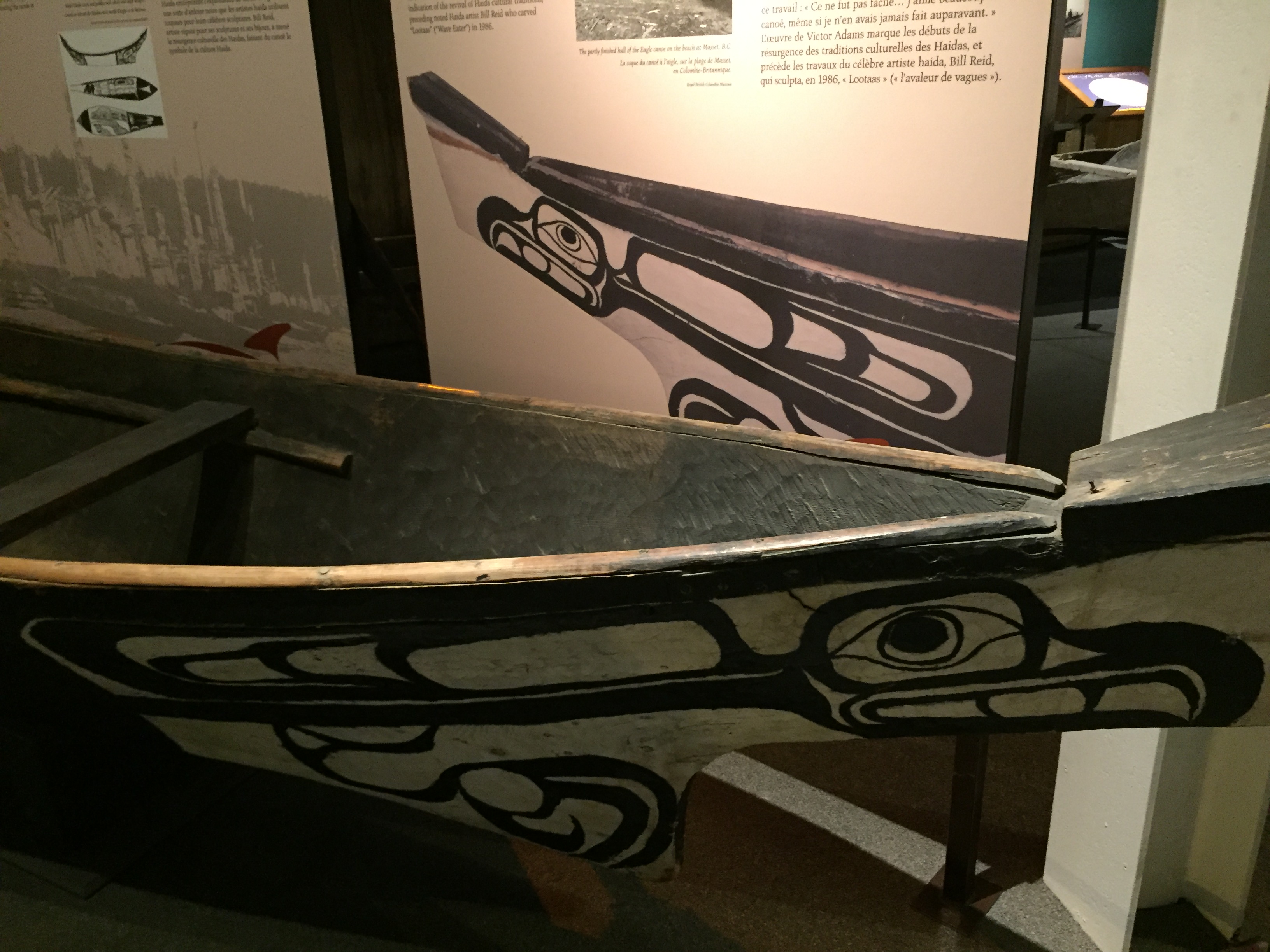
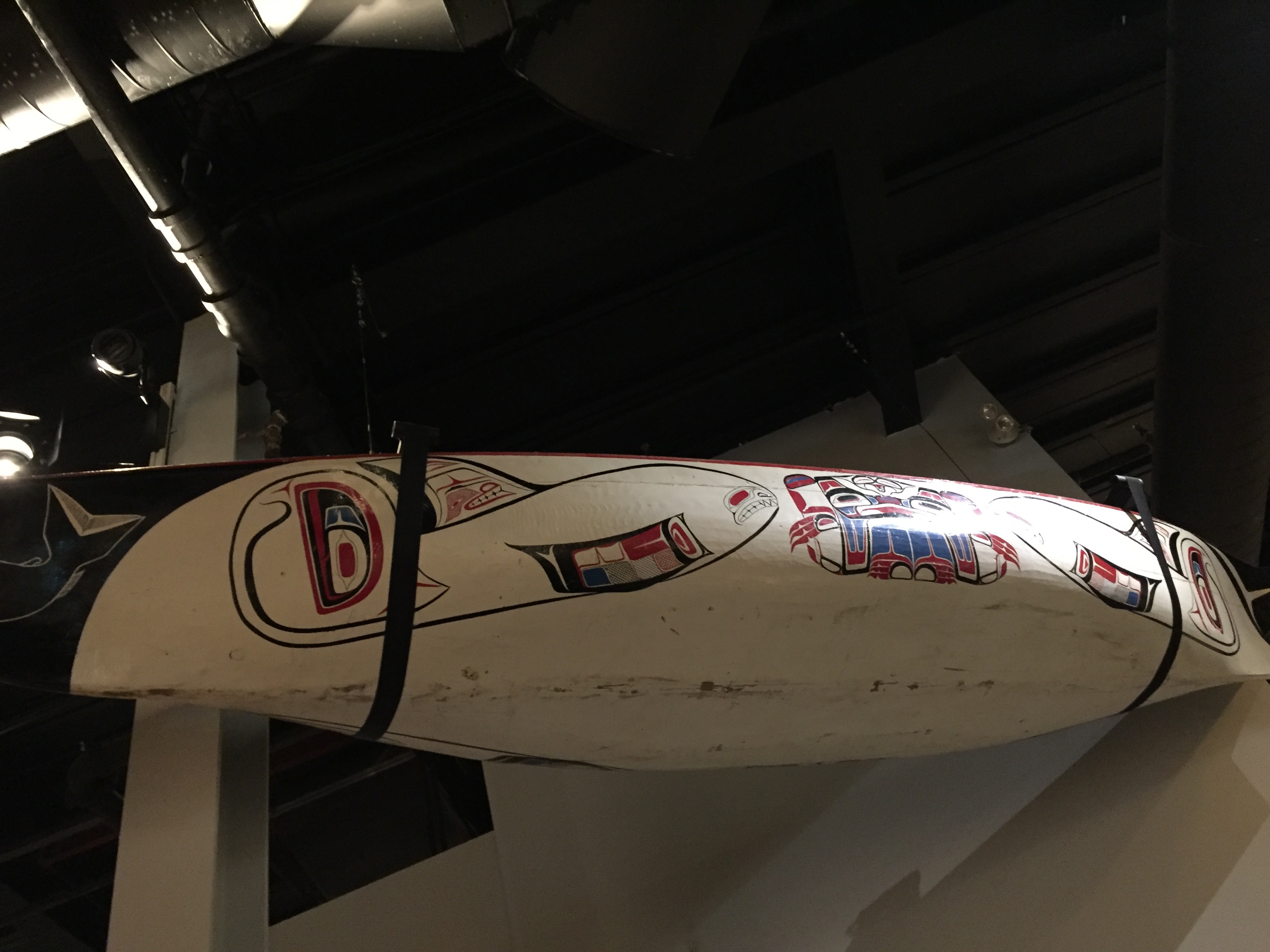
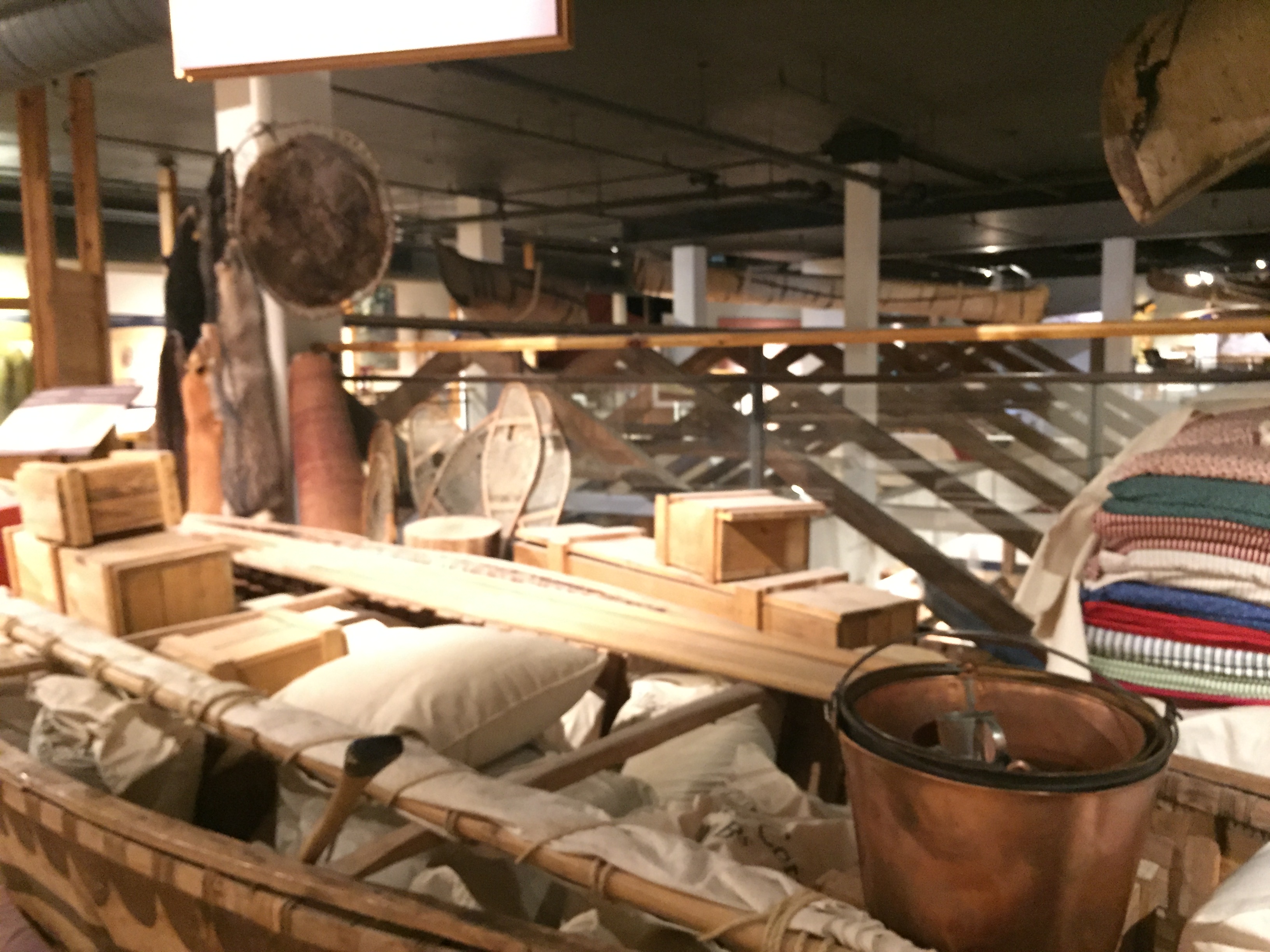
As you wander around the exhibits, you traverse the routes and passages of the early fur traders and voyageurs through Canadian culture and history. You pass Haida Gwaii canoes, masterful in their carvings and paintings, a canoe laden with thousands of pounds of blankets, food, and other goods fur traders would transport to Hudson Bay posts, and beautiful birch bark canoes used by Algonquin and Iroquois first nations peoples in the areas north of the Great Lakes.
Contents of a typical trade canoe
One mural had this message on it. “In the Athapaskan languages, there is not word for wilderness. Wherever the Dene travelled, it was home. The land belonged to the Creator, and in the Dene expression, was only borrowed from their children’s children.”
Yes, on a wintry afternoon, this museum felt like home.
This week’s #HappyAct is to plan a trip to Peterborough and spend time in this unique little museum. The museum is trying to raise $65 million to move to a new location on the water near the Trent Lift Locks in a couple of years. What a wonderful time to visit. I plan to be there on opening day.
We cut our pumpkins in half this year and have used them as makeshift bird feeders. The birds and squirrels love it!
Dorothy said it best, there’s no place like home. For the past two months we’ve been away almost every weekend to Peterborough for hockey. While I love watching Clare play, it means we haven’t been home much.
This weekend is the first weekend I’ve spent the whole weekend at home. I forgot how much I enjoy being at home.
First, there’s the joy of sleeping in. Being able to get up when your body is finished resting, and not having to rocket out of bed, and get the kids on the bus and rush off to work is one of the best parts of any weekend.
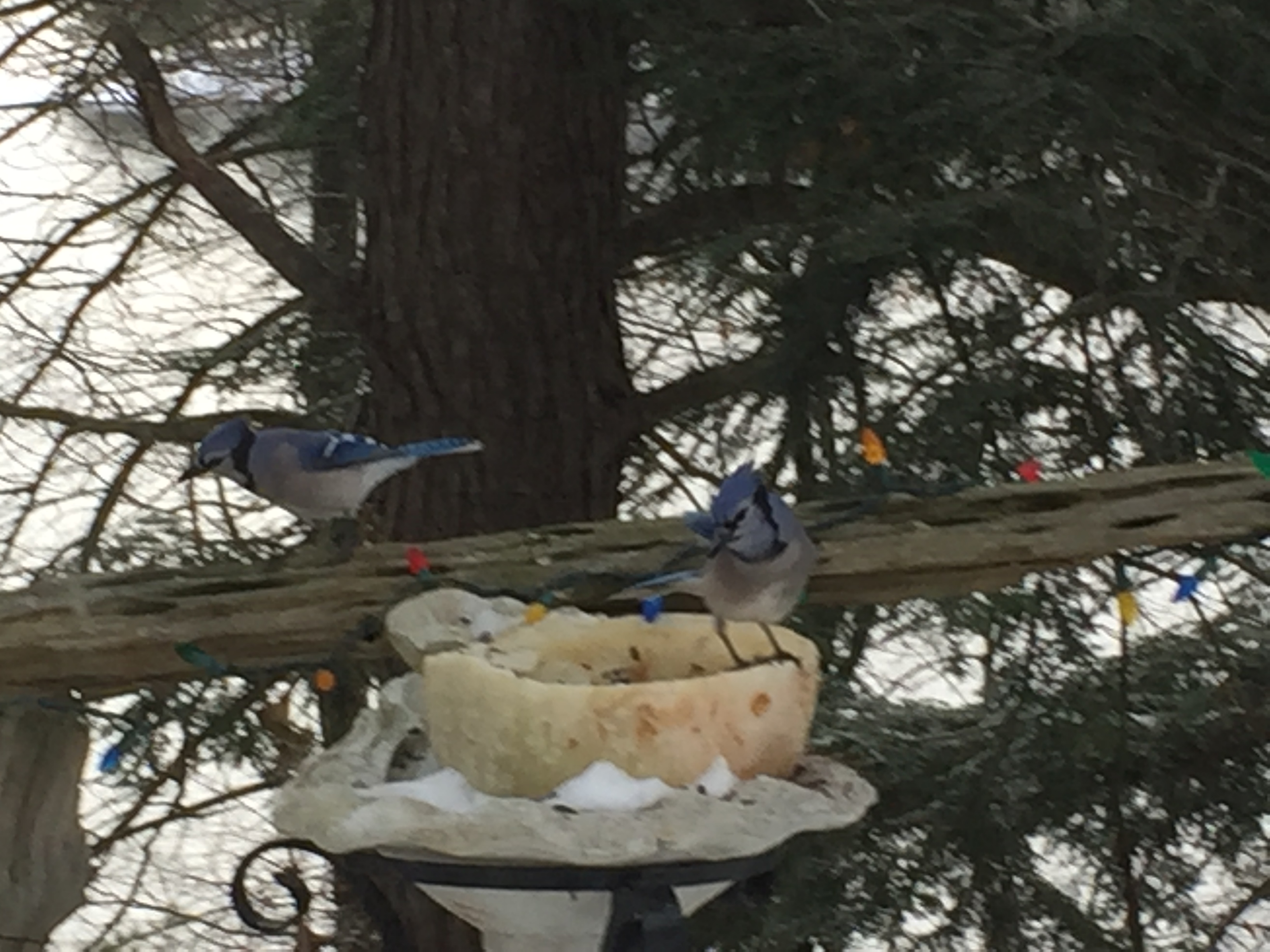
I can sit (hallelujah!) and read the papers and enjoy my coffee and look out my sunroom window at the squirrels and blue jays at the feeders.
We go for long walks in the daylight, a real treat at this time of year. Late in the day, as the sun fades, we start a fire, and sit with a glass of wine before making supper. We may even go for a long winter’s nap.
I remember one time when Clare interviewed Dave’s mother for a school project, she asked Donna, “What’s the one biggest change you’ve seen in your lifetime?” Donna responded, “People don’t sit anymore; they are always rushing to do something.”
This week’s #HappyAct is to enjoy time at home. As your body goes into hibernation mode this winter, don’t fight it, embrace it.
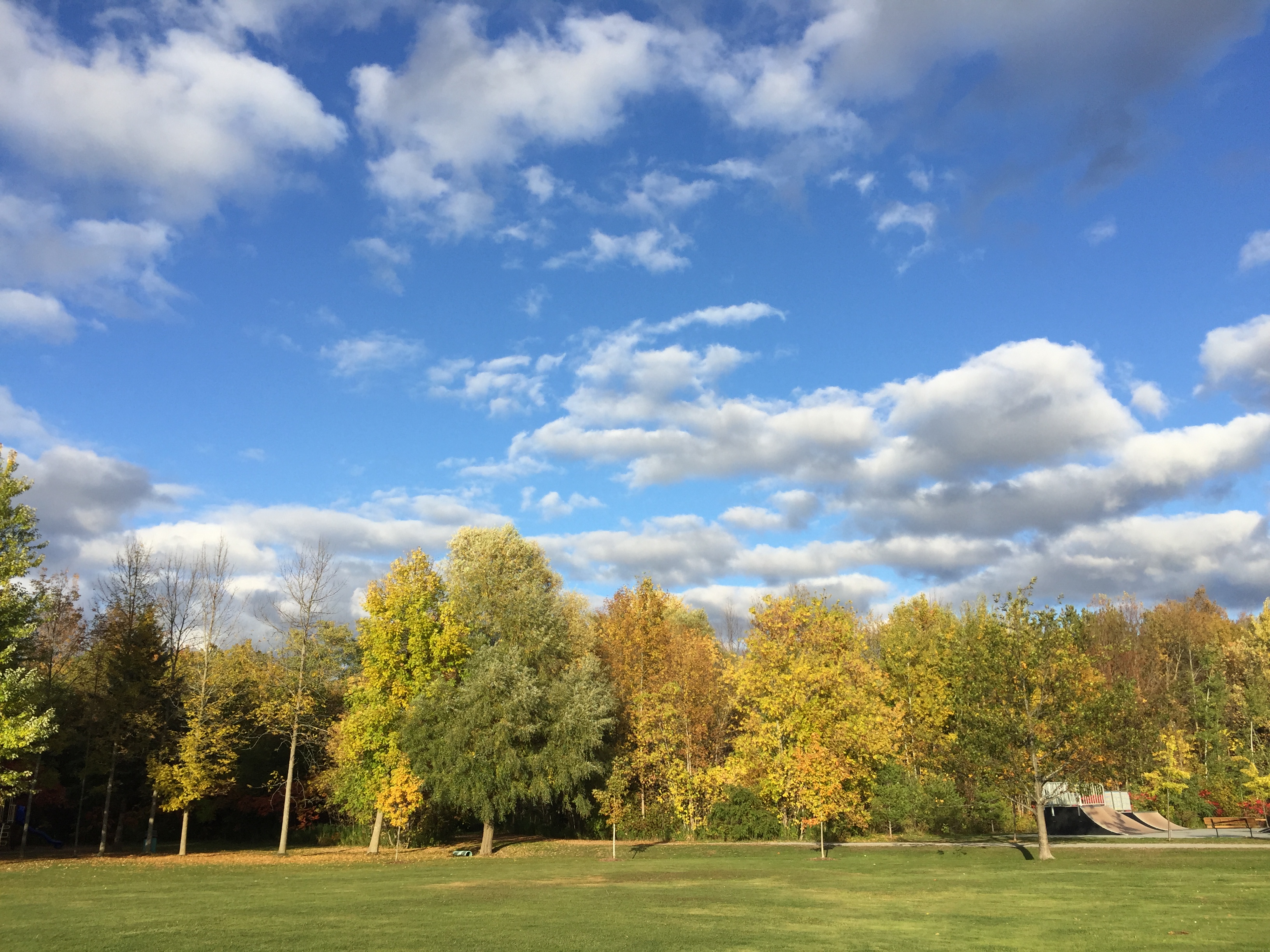
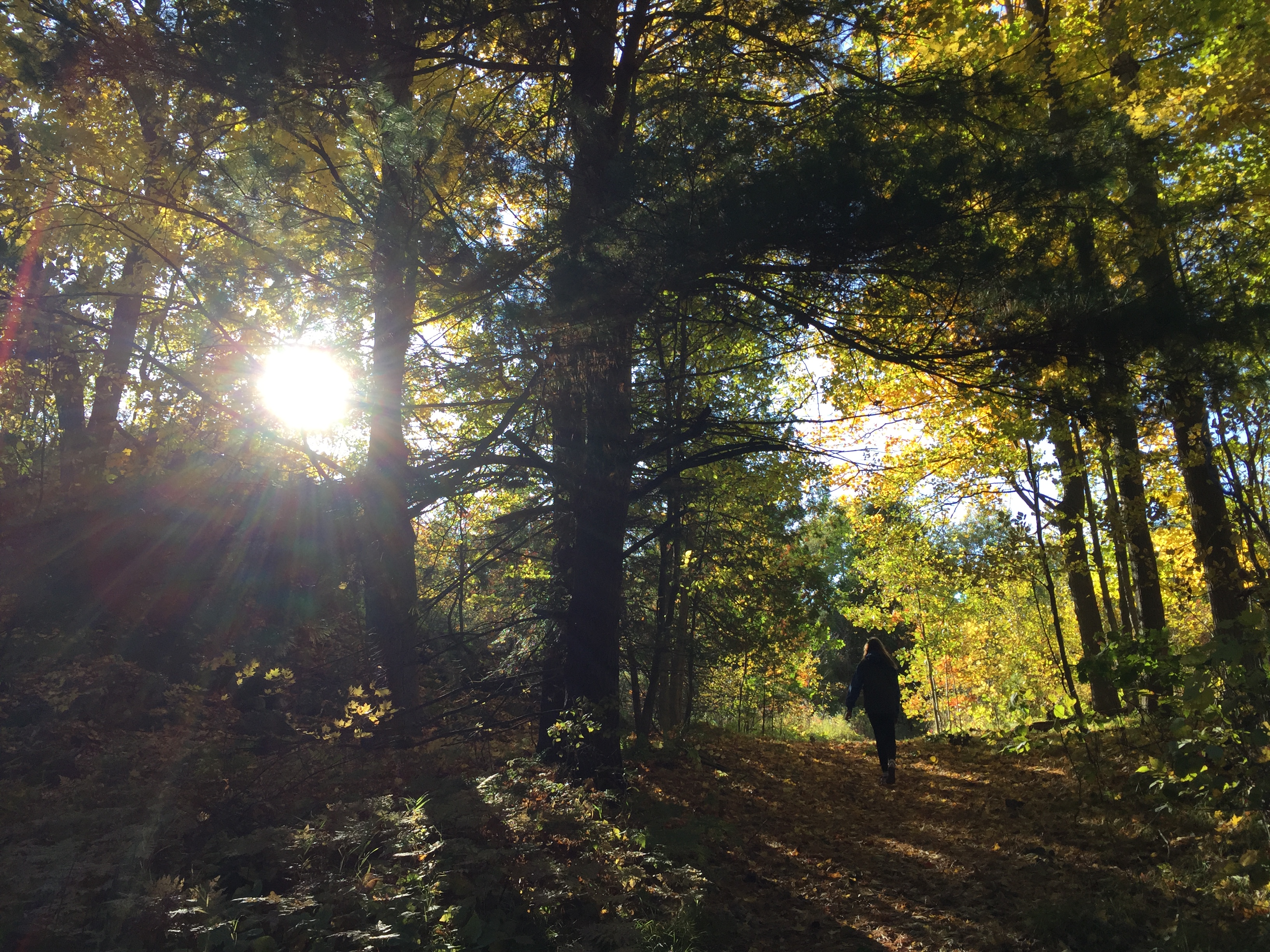
This year the fall colours have been particularly spectacular. I tried reading up on why, but got lost in words like chlorophyll and carotenoids. I don’t care about the science. I’m just grateful for the beauty of the area we live in.
Here is a photo essay from my Thanksgiving weekend. Enjoy the colours while they last, and Happy Thanksgiving!
We pass through sleepy towns with quirky names like Tichborne and Wemyss
Signs never seen before
The Battle River Bison Company
10 acre hobby farm for sale
Even the wildlife sleep, save for a lone bat startled by the car headlights
The blanket of mist slowly lifts
Revealing silhouettes of Jack pines
Standing guard, protecting the quiet, still dark lakes
7 a.m.
Movement.
A few drowsy cows graze outside my car window
A light flickers in a farmhouse
Round hay bales sit forlornly in the fields
Saluted by the stands of corn
Daylight.
The fog persists
But another day has dawned
Ed.note: I wrote this poem in my head early Sunday morning driving to Ottawa for Clare’s provincial kayaking championships. I’m not a morning person, so you won’t see many “enjoy an early morning happy acts!”, but there is something special about watching the world awaken. Try it (if only once!) The trip was definitely worth it. Clare got a gold, silver and bronze medal.