Today’s travel hack: catch a ferry

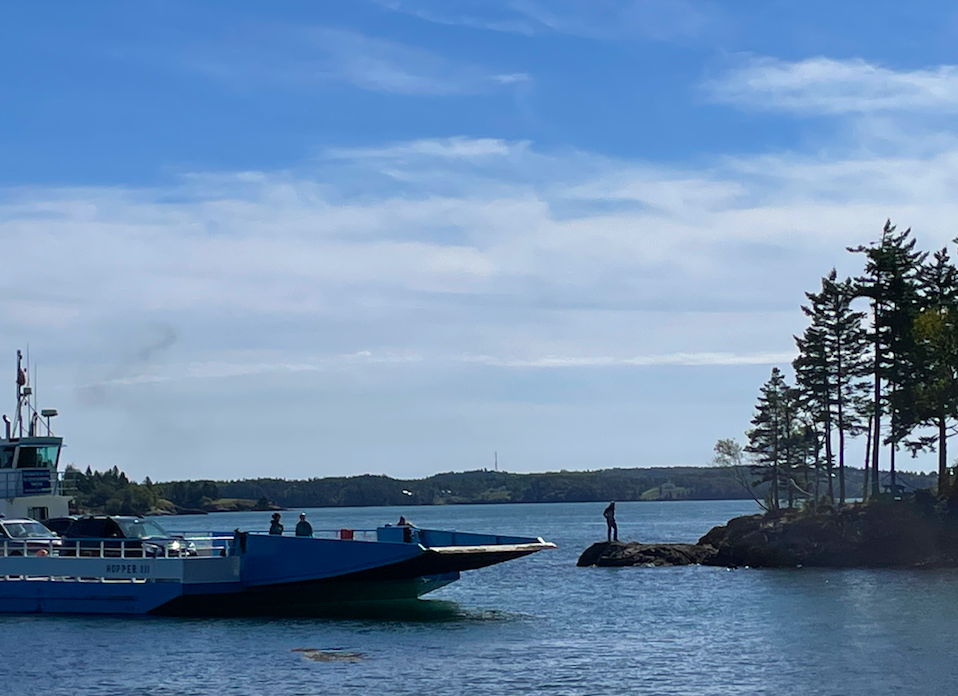
Ferry approaching the beach at Deer Island NB

Whenever I travel, I like to take a ferry. Ferries are a great way to see a city or area from the water. They can break up a long drive, or give you some downtime after a long day on foot. Best of all they are usually very cheap or even free and you often meet some interesting people on board.

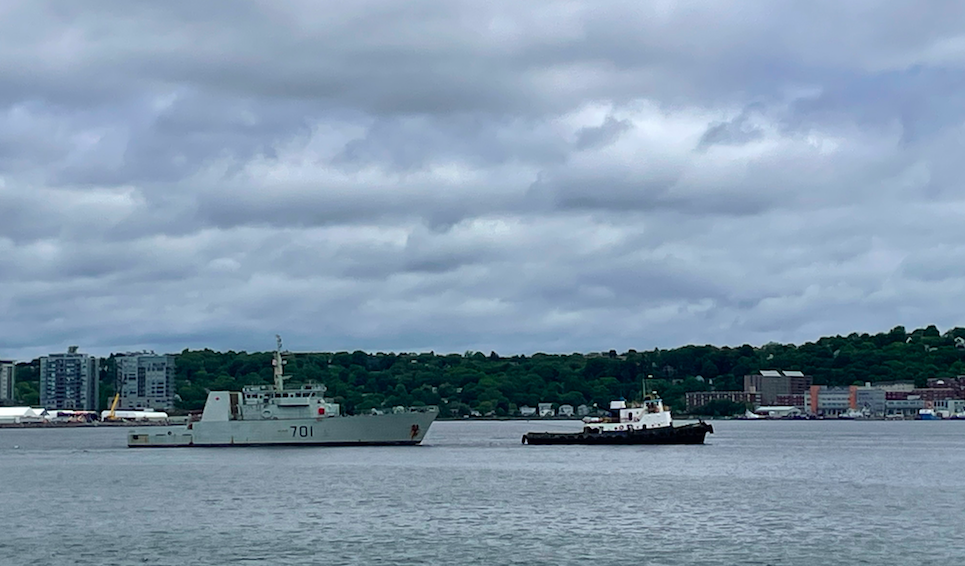
Last week, when I was in Halifax, I took the ferry from Halifax to Dartmouth for $3. It was interesting to see the preparations for Sail GP, one of the largest sailing events in the world and all the naval ships in the harbour. My friends who live there were telling me they’ve seen increased activity since Canada has committed to spending more on our national defence.

On the ferry ride home, I met two of the crew members from the British crew competing in Sail GP. Their home base was on the Dartmouth side, but they were staying in Halifax. They are currently in second place in the circuit, hoping to bump the Aussies out of first place. I asked them what their life was like. The racing season starts in January and goes until November. They travel to 13 different countries, staying a little over two weeks in each spot, all expenses paid. Their favourite courses to race are Sydney, Australia, New York and Halifax and their least favourite was Dubai. What a life!  

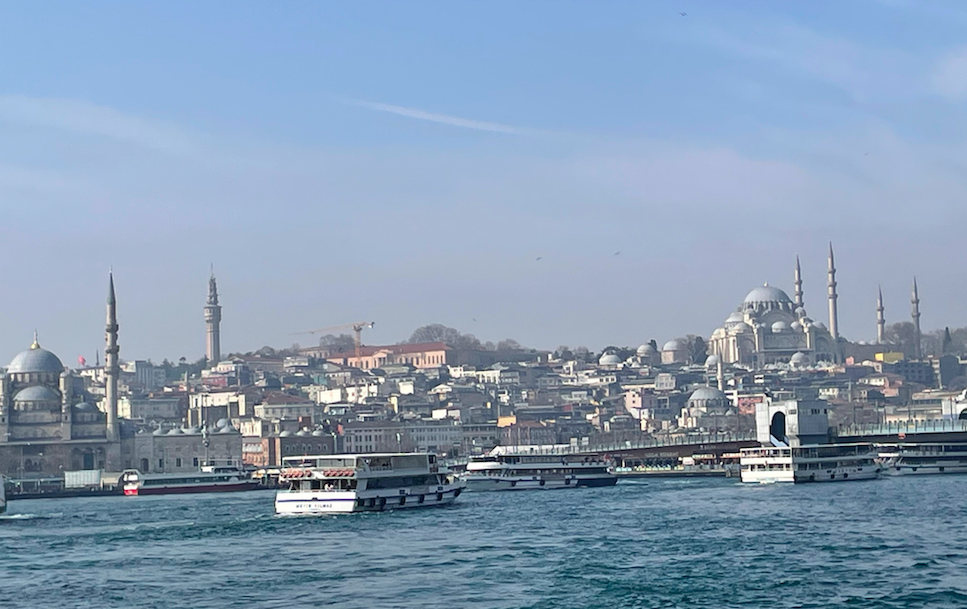
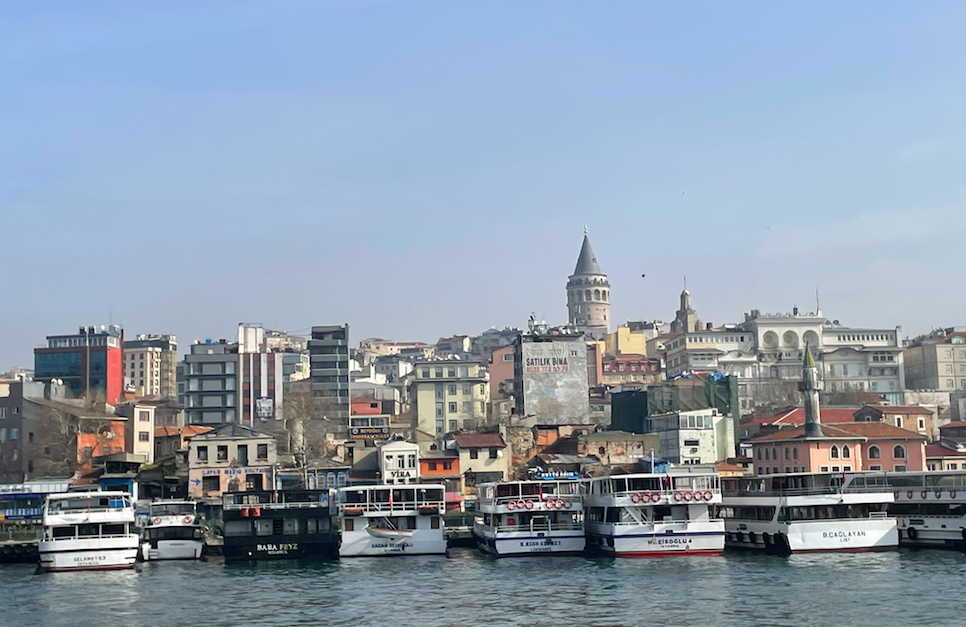
In February, Dave and I took the ferry from the one side of the Bosphorous in Istanbul to our home base in Taksim for about $2.50 each. The ferry system in Istanbul is extensive and we had great views of the Maiden’s Tower, an ancient watchtower and all the boat traffic from fishing boats to tour boats, high end power boats and commercial vessels in the busy harbour.

Here are some of my favourite ferries I’ve taken in the past few years on my travels:

  • The ferry from Armadale to Mallaig in the Isle of Skye in the highlands in Scotland. Last summer, my best friend Leslie and I saw dolphins right off the boat.
  • The cable ferries in Cape Breton in Englishtown and Little Narrows. Cable ferries are a throwback to earlier days when ferries were manually propelled with a crank or by pulling on a cable. There are about 65 still operating in Canada.
  • If you’re visiting Kingston this summer, be sure to hop on the free Wolfe Islander to see Kingston by the water. Stop at Spicer’s Dockside Grill or the Hotel Wolfe Island for a drink or something to eat on their waterfront patios.
  • The two ferry trip from L’etete, New Brunswick (between Saint John and St. Andrews by the Sea) to Deer Island and Campobello Island. The second ferry is privately owned and is a riot because you literally drive onto a beach to get onto the ferry.

More travel hacks and tips:

  • The Canadian government has dropped the fares by half for ferries to Newfoundland this summer.
  • If you’re travelling down east and need a break from all the driving, take the ferry from Digby, NS to Saint John, NB.
  • Longer distance ferries book up fast so book well in advance and pay attention to the time you need to be there (most are 1 hour in advance, the Newfoundland ferries are 2 hours). If you arrive late, you may miss your spot. This happened to us a few years ago catching the ferry from Vancouver to the Sunshine Coast in BC.
  • Today is the last day for Sail GP in Halifax. You can catch all the action on the Sail GP YouTube channel.

Happy sailing!

Photos: Above: ferry landing on the beach on Deer Island, NB. Below: Ferry traffic on the Bosphorous in Istanbul and view of Galata Tower in Taksim district. Navy ship in Halifax harbour.

Ferries in Istanbul harbour
View of Galata Tower in Taksim district from the Bosphorous
Navy ship and a barge in Halifax harbour

Walk on the ocean floor

Girls at Hopewell Rocks, New Brunswick
Me, Danette and Leslie at Hopewell Rocks, New Brunswick

Have you ever wondered what it’s like to walk on the ocean floor?

Last week at this time, I was walking on the ocean floor at Hopewell Rocks Provincial Park in New Brunswick on the way home from an epic two-week vacation to Cape Breton with my girlfriends Leslie and Danette.

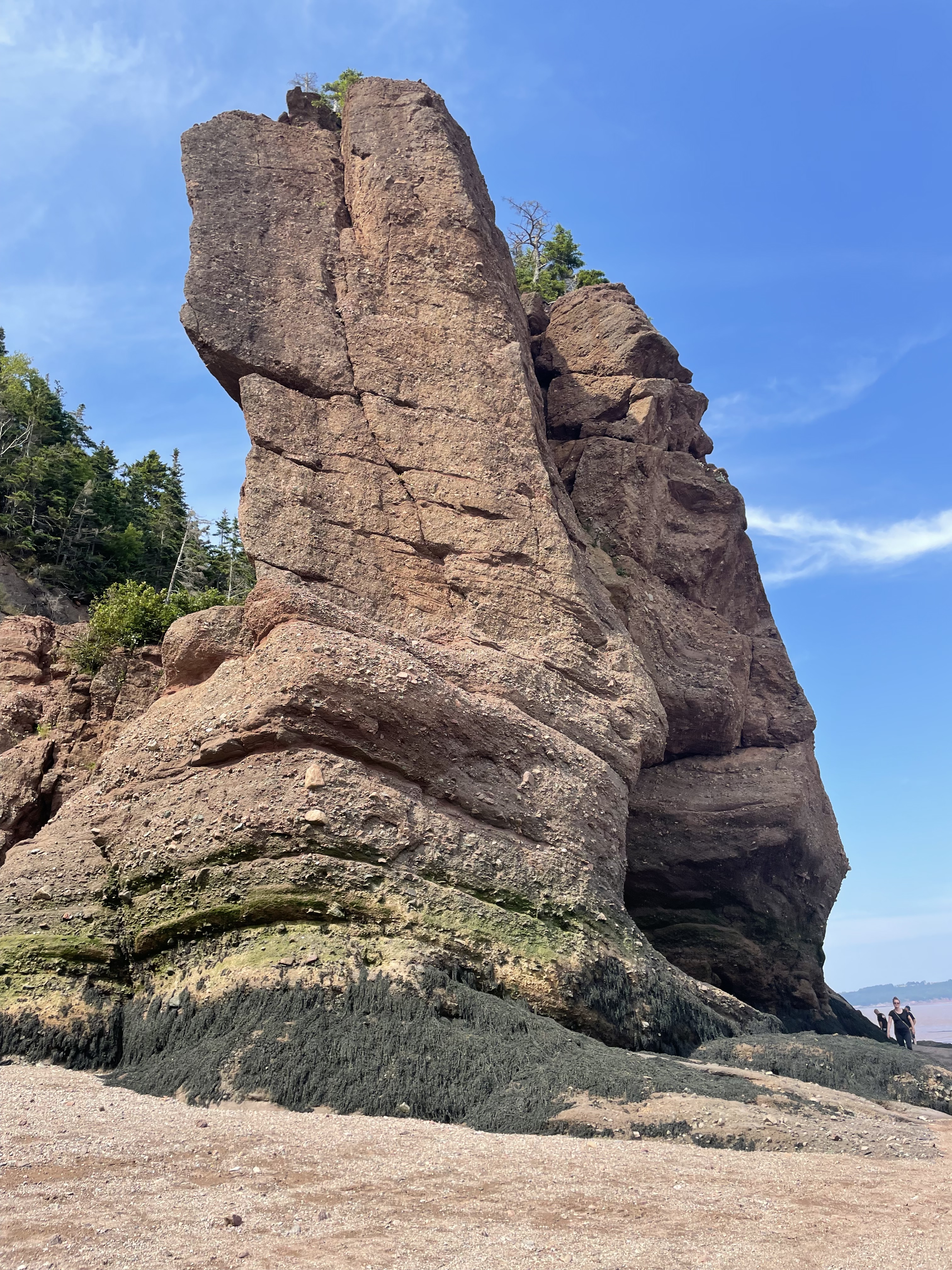
Hopewell Rocks is one of the most recognizable landmarks in Canada. It is known for its iconic flowerpot rocks and for being located on the Bay of Fundy which has some of the highest tides in the world. Twice a day, the bay fills and empties of a billion tonnes of water during each tide cycle—more than the flow of all the world’s freshwater rivers combined.

Flowerpot rocks at Hopewell Rocks

The tides rise and fall between 40-50 feet at Hopewell Rocks. The entrance fee to the park is actually good for two days, since many people like to come back to see both low and high tides, or kayak between the rocks during high tide.

We arrived mid-afternoon and descended the massive staircase to the ocean floor. It’s a bit of a strange feeling to know that the rocks and beach you’re strolling on will be completely underwater in a matter of minutes. The tides rise so fast there, they now have park staff monitoring different sections of the beach to make sure stragglers make it back to the stairs to return to the surface in time.

We arrived as the tide was coming in. I stood and watched two exposed rocks to see how long it would take for the water to engulf them. I probably only watched for about five minutes for the rocks to fully disappear—that was how fast the water rose.

I was fascinated by the shape of the rocks, their unique patterns and colouring and the barnacles that covered the rocks like blankets. They were rubbery and uniform and dry to the touch. Some say the flowerpot rocks will eventually crumble, but they’ve lasted for thousands of years so my guess is you still have plenty of time to see them if you plan to visit.

Girl in front of rocks
Barnacles on rock

Many visitors don’t take the time to explore the many viewing platforms from up above, but I highly recommend it. When we first arrived, we watched a young deer trying to manoeuvre its way through the vast dark brown sand to the more lush green vegetation on the banks. It struggled to move through the quicksand and seemed disoriented in the loamy soil left from the receding waters. It was still trying to escape to safety when we moved to the next viewing platform.

There we saw a mother peregrine falcon perched on a tree limb stretching out over the Bay’s waters. This was the first time I’ve ever seen a peregrine falcon in the wild. We were very close, so we got a great view of her.

View of sandy soil and a deer
It’s nearly impossible to see, but the tiny dot in the estuary of water between all the brown loamy ocean soil was a deer trying to find its way to safety
Mother and baby peregrine falcon

As we were admiring her stately helmet and stature, one of her babies came flying in beside her. They screeched an exchange for a few minutes, then both settled on the limb. One of the park staff later told me there were four babies. Babies often stay in the same area as their family after leaving the nest, flying with them while hunting. The staff member showed me a bunch of photos he had of the falcons on his phone—he said this is one of the first years they’ve had peregrine falcons at the park and the park staff were clearly very proud of their newest residents.

This week’s #HappyAct is to plan a trip to walk on the ocean floor, or visit an iconic park landmark in your area. Happy travels!

Rock at Hopewell Rocks
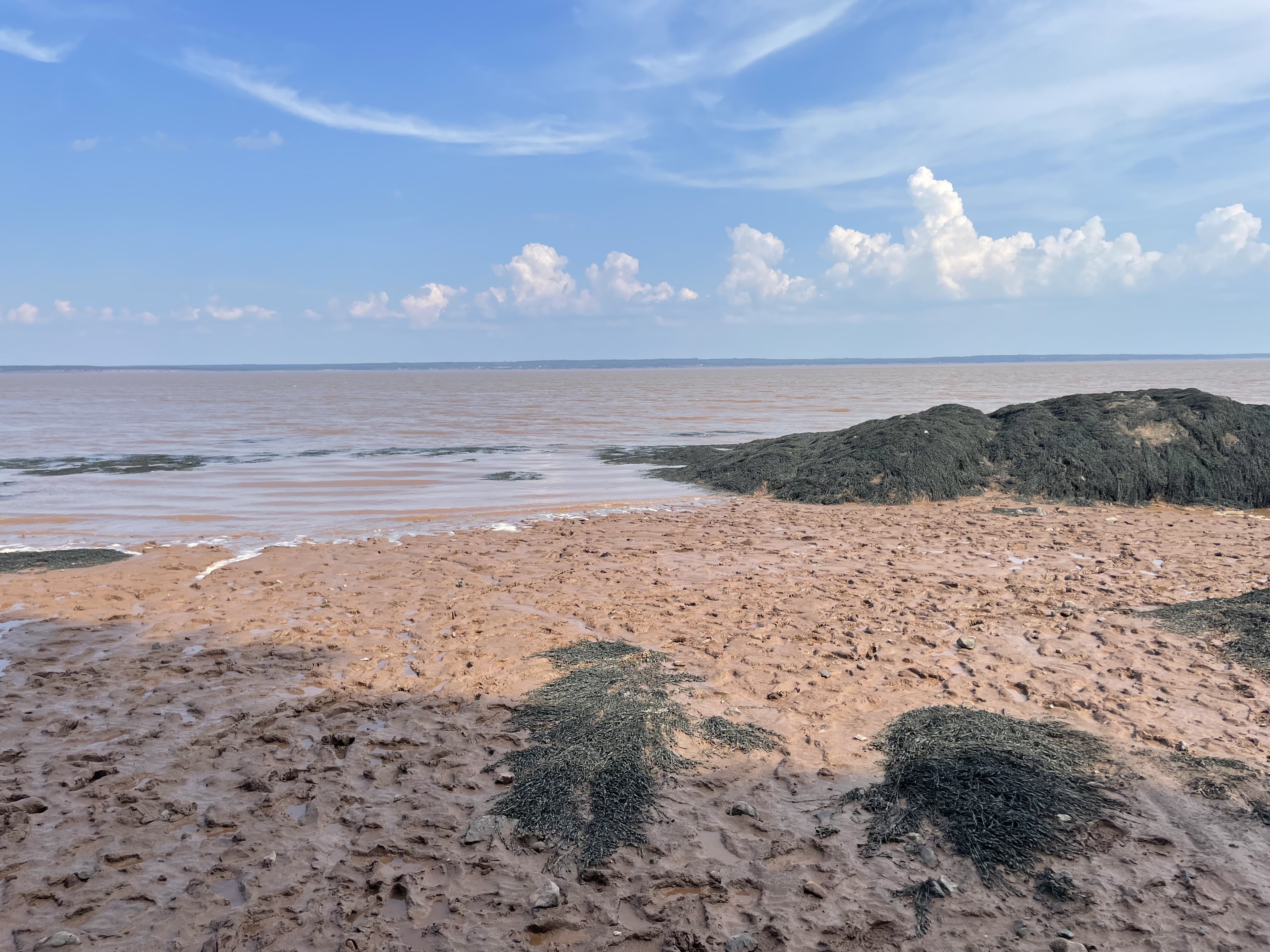
Muddy ocean floor