Hopeful for the future: flattening the curve of climate change

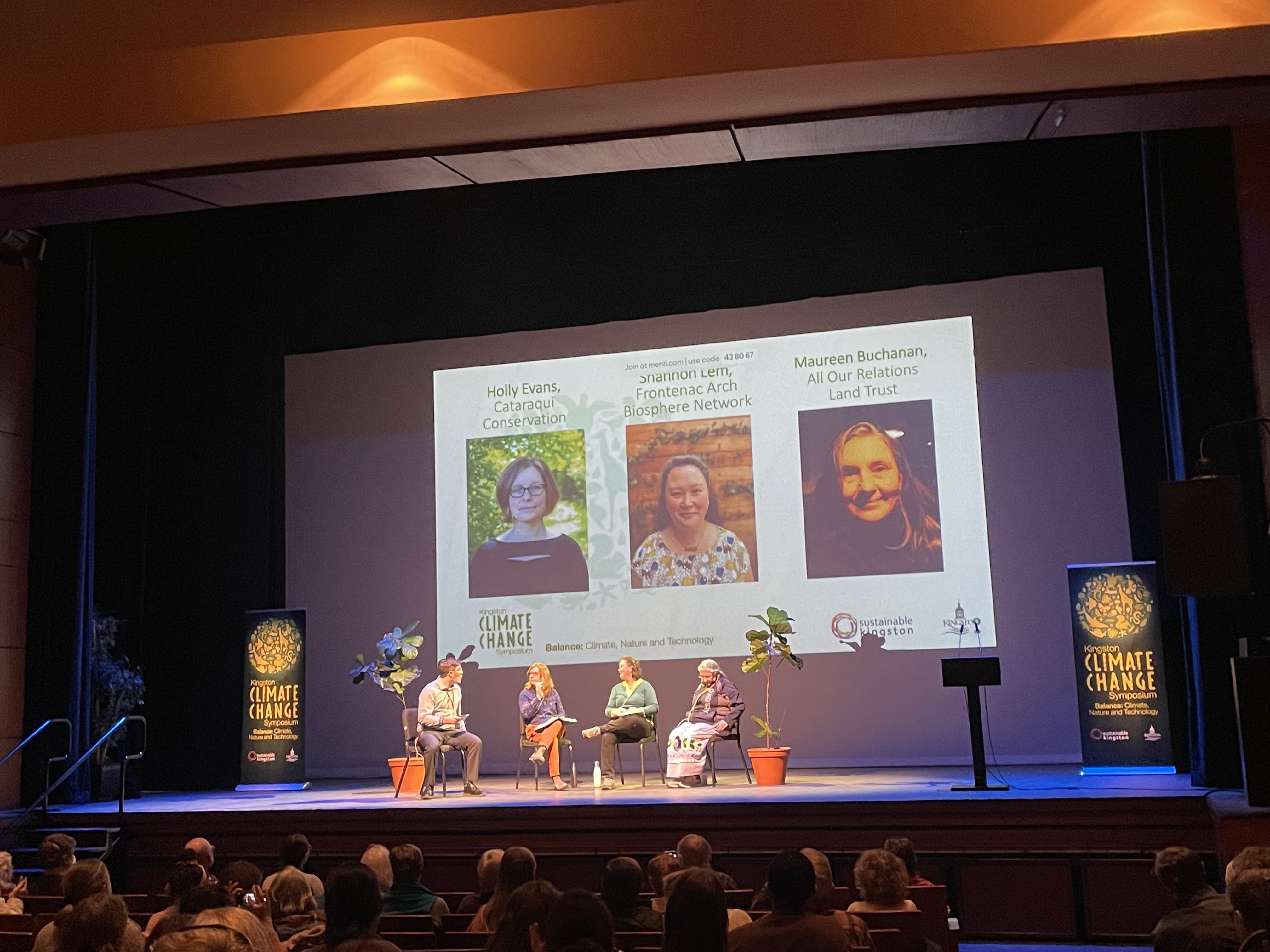
panel on biodiversity at the Kingston Climate Change Symposium

I didn’t expect to walk away from a climate change symposium feeling hopeful.

Hope is a good word. It inspires action.

The seventh annual Kingston Climate Change Symposium was held in person for the first time since Covid at the Grand Theatre at the end of January. More than 400 people from all different walks of life attended. That in itself gave me hope.

The key note speaker was Bob Macdonald from CBC’s Quirks and Quarks and author of one of the latest books on climate change, The Future is Now.

His message was optimistic–we now have the technology and the know-how to solve the climate problem. From micro-nuclear technology, to solar, wind and electricity, we’ve come leaps and bounds in our ability to develop alternative clean energies and make existing energy sources like oil and gas cleaner.

I came away hopeful that we are listening and learning from Indigenous cultures and peoples about how we are all connected to each other and to Mother Earth, and how we need to deprogram ourselves and our colonial attitude to the land and treat it and its creatures with respect and we must approach this work with open minds and open hearts.

I also came away feeling positive about my personal actions in thinking globally and acting locally, from the geothermal heating/cooling system we installed in our house, to buying my first hybrid vehicle, to all the trees I’ve sold and planted in my lifetime, to participating in one of the world’s largest citizen scientist projects, the Christmas bird count every year. One individual’s actions can make a difference.

Macdonald finished his talk drawing a parallel between the world’s response to COVID-19 to our response to climate change. In both cases, the global community had to come together to flatten a curve–in the case of the pandemic, of transmission of the disease and hospitalizations, and in the case of climate change, rising temperatures and greenhouse gas emissions.

During COVID, scientists developed vaccines in record time, governments acted swiftly, businesses pivoted and the populace took action to protect the spread.

The science of climate change and the technology to address it has advanced. We now simply need the collective will of governments, business and people to take action.

I’m hopeful we will flatten the curve once again.

The secret to living well

mountain in Tibet

There is a Tibetan proverb that says,

“The secret to living well and longer is: eat half, walk double, laugh triple and love without measure.

I’ve had it backwards this past year.

I’ve been eating double, walking half, spending triple and watching Netflix without measure.

Time to start living well.

What’s your word for 2023?

Bertrand Russell quote

I always like this time of year. Whether you believe in making New Year’s resolutions or not, it’s a chance to reflect, look forward, set goals, reinvent ourselves if we want to, and redefine our place and contributions in the world.

It’s also interesting to read the year in review articles and columns that come out around this time. As someone who’s interested in writing, I’m fascinated by the “word of the year” choices.

2022 was the first year Oxford allowed members of the public to vote on the word of the year and 93% voted in favour of a phrase I’ve never even heard of before: goblin mode which won out over metaverse” and “#IStandWith. Merriam-Webster chose the word gaslighting.

I googled “goblin mode” and a wide range of definitions came up, none of them complimentary. It means acting in a way that is reckless, self-indulgent, with no consideration for the well-being of others or social norms or expectations. To embrace your inner goblin is to indulge in a type of behaviour that is lazy, slovenly, or greedy, a means of escape, which Oxford says reflects the ethos, mood or preoccupations of the past 12 months in our post-COVID world.

I think it’s sad that these two words are seen to represent the way the world is feeling right now.

I prefer to choose different words for 2023 based on this quote from philosopher and mathematician Bertrand Russell: wisdom and courage. Russell wrote this passage in 1953 in Human Society and Ethics, but to me, it resonates today more than ever.

“I allow myself to hope that the world will emerge from its present troubles, that it will one day learn to give the direction of its affairs, not to cruel swindlers and scoundrels, but to men possessed of wisdom and courage.

I see before me a shining vision: a world where none are hungry, where few are ill, where work is pleasant and not excessive, where kindly feeling is common, and where minds released from fear create delight for eye, ear and heart.

Do not say this is impossible. It is not impossible. I do not say it can be done tomorrow, but I do say that it could be done within a thousand years, if only men would bend their minds to the achievement of the kind of happiness that should be distinctive of man.”

What’s your word or quote for 2023? Leave a comment.

Stop and read the signs

Gillies Bridge, Carleton Place

If you look around, there are signs everywhere but sadly, not many people stop and read them.

I do, I always have. I’m not sure if it’s the historian in me, or just an innate curiousity–I figure if someone thought it was important enough to erect a sign in a certain place, then it’s worth reading. It’s a trait that drives my family crazy.

On Friday, I went for my usual pre-game walk in Carleton Place before Clare’s hockey game. I was familiar with Carleton Place because Clare had competed in regattas there many times, but the arena was in a different part of town.

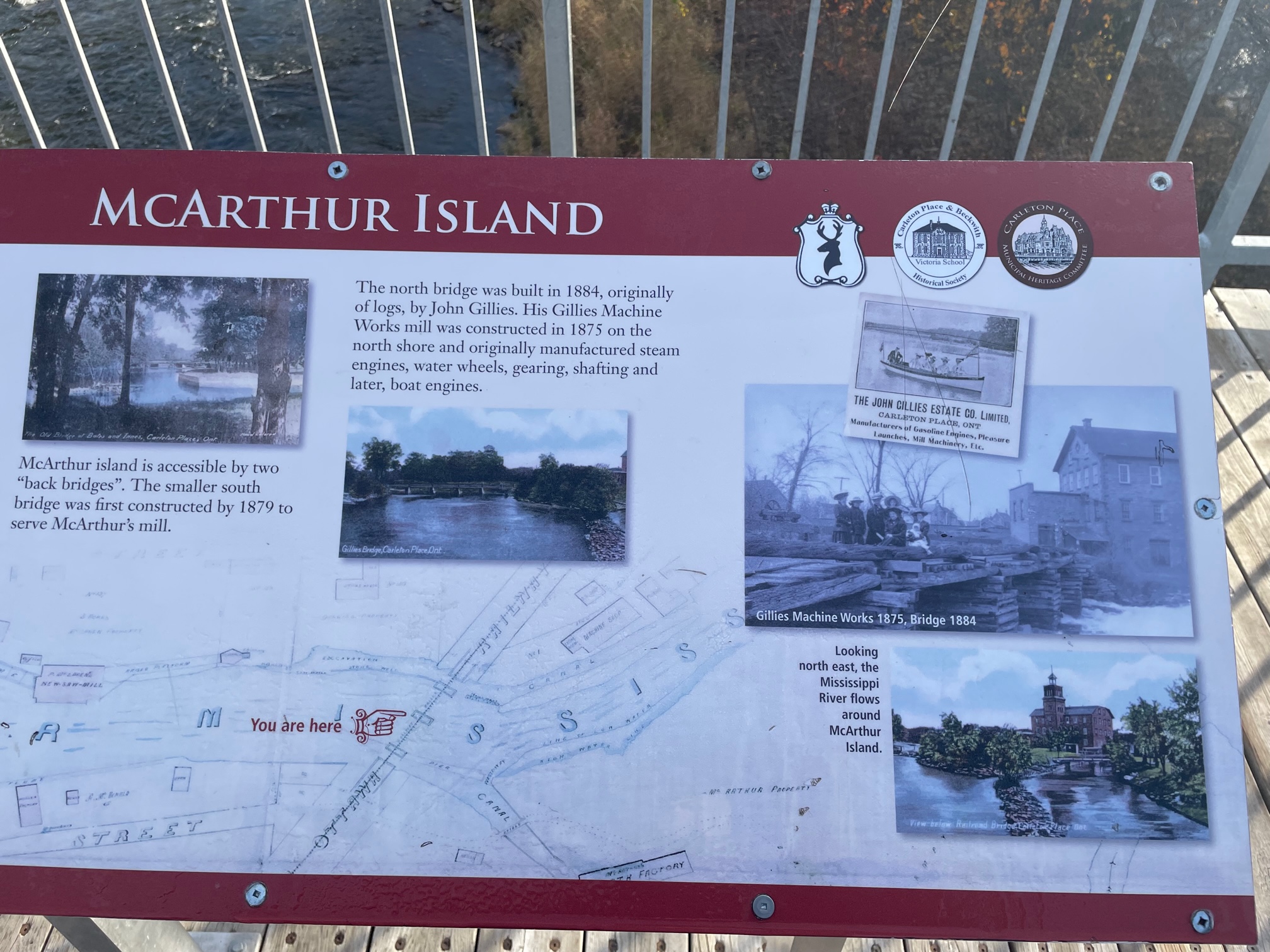
I started walking on a section of the Trans Canada Trail and came across a bridge that spanned the Mississippi River. There were several interpretive signs on the bridge, so I stopped to read them. Directly across from me was another bridge named Gillies Bridge in honour of John Gillies who built it in 1884.

Interpretive sign

John Gillies was the name of my father. Not the same John Gillies who built the bridge, and no relation to my knowledge, but it immediately caught my interest.

According to the Lanark County tourism website, lumber was king in the Ottawa Valley in the nineteenth century and John Gillies “was one of the industry’s crown princes”. He acquired the first sawmill in Carleton Place in 1866 and built the operation to employ 200-300 men to produce more than 20 million feet of board lumber a year. His mills eventually covered 300 square miles and spanned the greater part of six townships.

His Gillies Machine Works was his retirement project. After selling his mill operation, he built the Machine Works in 1875, manufacturing steam engines, water wheels, gearing, shafting and boat engines.

I thought this was ironic given Dave’s and mine luck with boat motors.

I stopped to admire the old abandoned millworks on the island, and then kept strolling, taking pictures of the old stone buildings since it was such a gorgeous sunny morning.  

It was interesting to read about this famous namesake, and in a strange way, made me feel closer to my Dad, who has been gone for more than 20 years.

This week’s #HappyAct is to stop and read the signs some time. You never know what you’ll discover.

Abandoned mill
Mill property
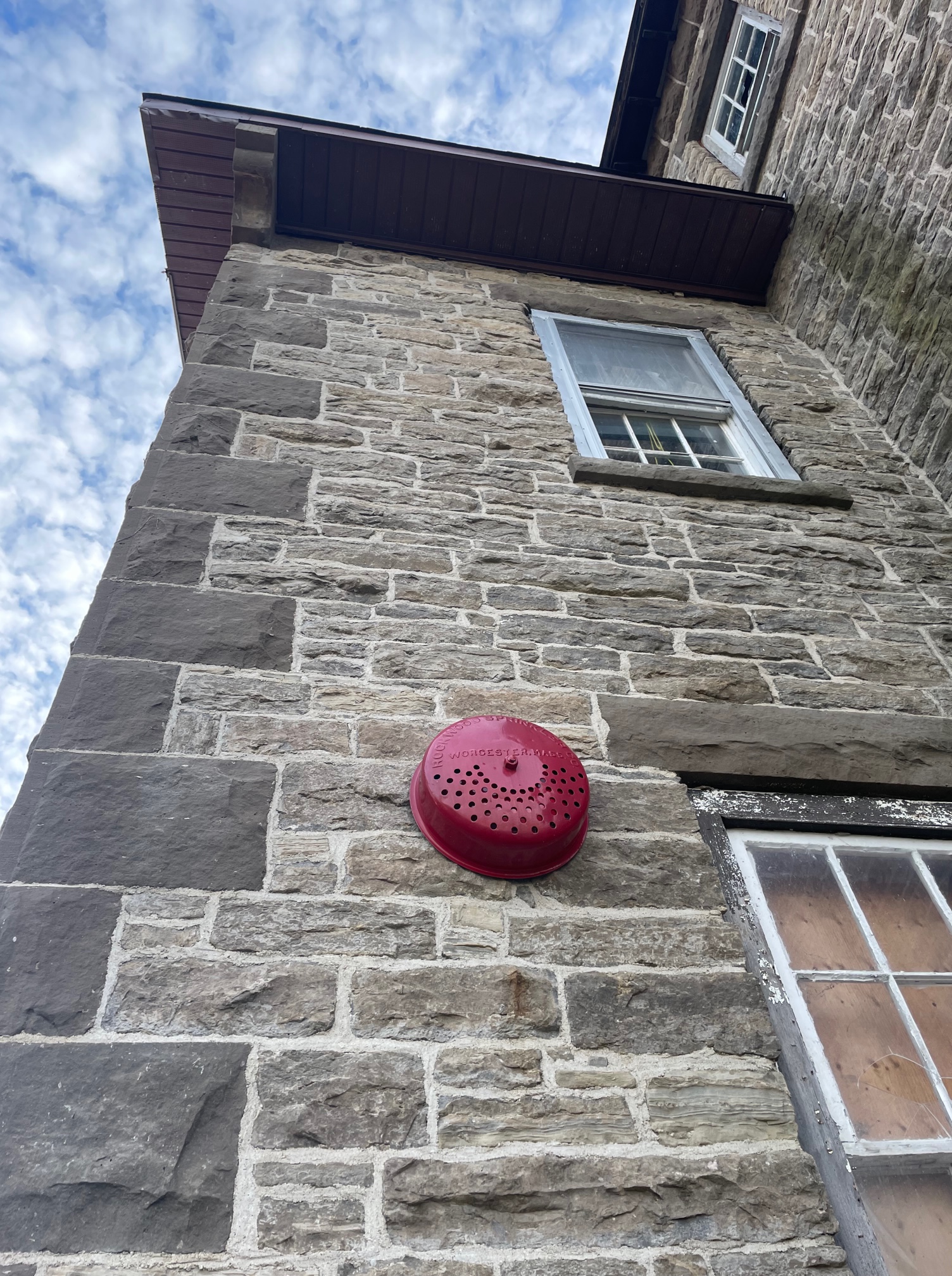
Old sprinkler on Mill

Living a life of service

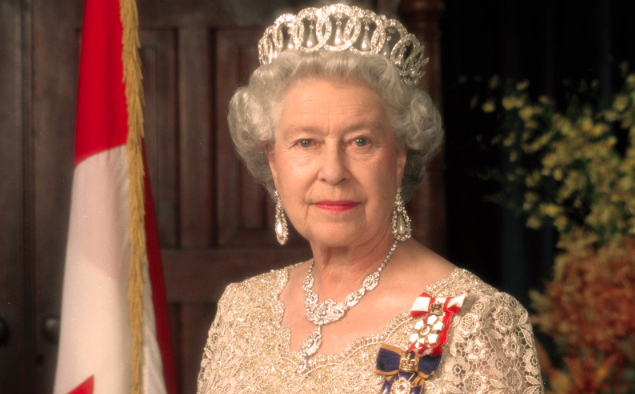
Queen Elizabeth II

The tributes for Her Majesty Queen Elizabeth II continue to pour in. Despite differing opinions on the institution of the monarchy and legacy of colonialism, the world seems united in celebrating a remarkable woman who dedicated her life to public service and who for 70 years was a stable, reassuring presence in turbulent times.

I’ve been thinking quite a bit lately of what it means to live a life of service. Ghandi once said, “The best way to find yourself is to lose yourself in the service of others.”

Most of us live a life of service in small ways, as parents, good neighbours and community members, and in some cases, in our career choices. Health care providers, first responders and elected officials all dedicate their lives to helping or serving others. But for many of us, the concept of living a life of service is not how we would describe our day-to-day life or even our purpose in life.

Living a life of service is different than having purpose. You can have purpose, a passion or focus that makes you happy and feel alive but doesn’t involve serving others.

The world and the people in it seem a bit lost these days. Perhaps the best way to find ourselves again is to be more intentional in leading a life of service.

Related posts:

Immerse yourself in art

Van Gogh immersive exhibit

Last weekend, my girlfriend Leslie and I went to the Van Gogh Immersive Exhibit in Toronto.

It wasn’t at all what I expected, but was quite interesting. I expected to walk through a gallery of rooms of Van Gogh’s art projected on walls, but you actually enter one room and stay there the whole time as the theatrical experience engulfs you.

It was a massive space—the exhibit is showing at The Toronto Star building at 1 Yonge Street and I suspected the space on the first floor was the former printing plant.  

The first time we watched the 35-minute production, we simply admired Van Gogh’s masterpieces paired with classical music as they surrounded us in 360-degree views projected on the walls and floor.

Van Gogh’s famous sunflowers, lilies and almond blossoms surrounded us, followed by a starry night, scenes of fields and cafes, and portraits of courtesans, farmers and compatriots of his day.

The second time we watched it, the images transformed in a new way, dancing across the walls, rising and falling, coming to life. The smoke from a cigar billowed upward, a steam train rolled across the countryside, and a windmill slowly turned amongst threatening clouds as the animated images immersed us in their beauty and brushstrokes.  

Art aficionados and purists may balk at commercializing works of art and masterpieces, but for me it created a new and wondrous appreciation of the work of Van Gogh.

Here are some pictures of the exhibit. The Van Gogh 360 exhibit is on until May 30 in Toronto and this summer at Lansdowne Place in Ottawa. Be sure to put it on your summer vacation happy act list.

Van Gogh a starry night
A starry night
Van Gogh painting
Van Gogh art
Van Gogh lillies
Van Gogh masterpiece
Van Gogh's lillies

Why women should rule the world

Vladimir Putin

Like all of you, I have been watching in horror and disbelief the unconscionable war in Ukraine. I have my Master’s degree in Russian history, did I ever mention that? Anyone who has studied Russian history might contend that this war was inevitable.

For centuries, Russian tsars and leaders have annexed territories, withdrawn freedoms, broadcast propaganda, and imposed their will in the name of Russian nationalism, for the greater good of “mother Russia”. When Gorbachev ushered in the era of glasnost, for many Russians, it was seen as a sign of weakness.

On Tuesday, I’ll be participating in some International Women’s Day events, and this past week, I can’t help thinking that if only we elected women rulers, we’d have a better chance at peace.

History is replete with male dictators: Attila the Hun, Genghis Khan, Joseph Stalin, Adolf Hitler, Uganda’s Idi Amin.

And then you only have to look at the modern-day roster of dictators: Omar Al-Bashir of Sudan who has been accused of war crimes and crimes against humanity for tragedies in Darfur, Kim Jong-II of North Korea, Muammar al-Quaddafi of Libya, and Vladimir Putin.

There have been a handful of cruel women monarchs and leaders throughout history. The religious crusades against Protestants of Queen Mary of England in the 1500’s earned her the nickname Bloody Mary.  Madame Mao persecuted her enemies to further the Cultural Revolution of communist China in the early 1900s. But there are very few examples of modern female leaders who have committed atrocities, started wars or committed crimes against humanity.

In this Forbes article, If Women are Better Leaders, Then Why Are They Not in Charge?, scientific studies have consistently shown that on most of the key traits that make leaders more effective, women tend to outperform men. For example, humility, self-awareness, self-control, moral sensitivity, social skills, emotional intelligence, kindness, a prosocial and moral orientation, are all more likely to be found in women than men.

Further, “men score higher than women on dark side personality traits, such as aggression (especially unprovoked), narcissismpsychopathy, and Machiavellianism, which account for much of the toxic and destructive behaviours displayed by powerful men who derail”.

This week’s #HappyAct is to elect a woman the next time you go to the polls and pray for the people of Ukraine, and all of Europe.

1,000 days

People wearing masks in 1918 in California

Very early on in the pandemic, an older caretaker of a church told Dave, “It will be a 1,000 days, every pandemic takes a 1,000 days.”

The Spanish flu lasted from February 1918 to April 1920. The World Health Organization declared the COVID-19 pandemic on March 11, 2020. By my count, we are at 675 days which means we have about 10 months left of living with COVID.

For the first time in almost two years, I am quietly optimistic we are beginning to see the light at the end of the COVID tunnel.

Early on, the other catchphrase was herd immunity. The pandemic will subside when a large proportion of the population has either contracted the disease or developed enough antibodies through vaccines to protect themselves from contracting the disease. With the highly contagious Omicron variant, we are now seeing herd immunity in action.

This week’s #HappyAct is to allow yourself to hope. Stay strong during these last few critical weeks and months and let’s all continue doing what we need to do to support our beleaguered healthcare workers who have been the real heroes on the front lines.

I choose to hope the end is near, and I for one, can’t wait to see what’s on the other side.

Ed. Note: This post is not based on any scientific evidence. Please take it as it’s intended, hopeful musings that brighter days lay ahead.

Take pictures at a National Historic site at sunset

Sunset over Kingston from Fort Henry hill

This past year and half has been tough, but my heart especially has gone out to teenagers. At a time when they should be living carefree in the halcyon of their days, they’ve endured lockdowns, restrictions on the number of friends they could see, and unable to attend concerts, events and parties.

During lockdown, one of the favourite things Grace and her friends liked to do was go to a local Kingston restaurant, get take-out and eat it on the grass at the top of Fort Henry hill at sunset. A couple of weeks ago, I took Clare and two of her friends to Fort Henry to take pictures as the sun went down.

Fort Henry hill is a spectacular location. To the east of the majestic limestone walls of the fort, you see one of the six Martello towers perched on point jutting out into the blue waters of the St. Lawrence River. To the west, you get a magnificent view of downtown Kingston, with its stately church spires, City Hall and the historic buildings of Royal Military College in the foreground.

As I wandered the grounds around the fort, serenaded by the mystical sounds of Pumpkininferno gearing up for its opening night, I watched photographers set up their cameras to capture the sunset, students and couples sitting admiring the view, and Clare and her friends taking selfies and photos against the stunning backdrop.

Fort Henry walls
Martello tower in the St. Lawrence

The sky deepened blue, then a hint of orange starting appearing on the horizon. Wisps of clouds dotted the sky, scattering fractured light throughout the sky. As the sun set lower behind the buildings, the clouds cast swaths of brilliant orange across the entire sky and soon the sun was a single yellow orb surrounded by fire. It was so breathtaking. The crowds of people that were descending Fort Henry Hill all stopped to admire the spectacle.

Here were my photos of that special night.

Two teenagers taking photos
Clare on Fort Henry hill as the sun sets over Kingston

This week’s #HappyAct is to take pictures at sunset at a historic site in your city and be grateful that we can now start doing so many of the things that were denied us for so long.

Ed. Note: Pumpkininferno is running from now until October 31, 2021 at Upper Canada Village in Morrisburg and at Fort Henry.

Martello tower and downtown Kingston at sunset
Orange sun and clouds

Cabin life

Author outside her friend's log cabin

I’ve always had an affinity for log cabins. They make me feel at home. Sadly, they are a dying breed. While custom log home builders are still building majestic post and beam and timber frame homes, you have to comb the backwoods and back lakes of our region to find an original hand-hewn log cabin.

We were having this conversation last weekend at my best friend’s family cottage north of Minden. Her Dad built the main cabin almost sixty years ago and over time, her brother Steve built two more log cabins on the property. Steve said to me at one point, “Nobody builds cottages any more, they’re all homes.”

Log sleeping cabin

Their cottage hasn’t changed much in 40 years. Waterskis and lifejackets hang from the wooden rafters in the ceiling. Next to the old icebox in the kitchen filled with baking supplies is an antique Kellogg Wood Wall phone, the kind where you had to hold a receiver to your ear to hear the person talking.

The walls of the cabin are filled with bric-a-brac, antique cookie tins, pieces of driftwood and kids’ artwork from years gone by. The only thing that has changed is the fireplace. About eight years ago, Steve refaced the fireplace, using weathered river stone. The last few years, he’s been working on restoring another old log cabin on the property. It is a very special place.

Main family cottage
Stone fireplace
Log cabin
The newest log cabin on the property

My favourite vacation rental of all time was a 100-year old log cabin set in a meadow on a hillside on 25 acres just outside of Woodstock, Vermont. We spent a week there when the kids were little, and it too, was special.

The kitchen had an old porcelain style sink with a picture above it of the original homesteaders on the property, sitting in overalls with corn straw hats. The interior of the house had an old wood stove, a long wood dining room table adorned with wildflowers in a vase, and a big wooden staircase that went up to a loft that had two bedrooms, connected by a long walkway.

100-year old cabin
100-year old cabin in Woodstock, Vermont

The best part of the house was its wraparound porch. It was massive, and we practically lived outside for the entire week, eating meals and playing games on the small table with four chairs and sitting in the rocking chairs. On our last day, as Dave and I rocked on the porch enjoying our morning coffee, a deer made his way up the hill towards the cabin, grazing on the dewey grass until he was just a few feet from us.

Yes, if I were going to move, it would be to a log cabin on a lake. For now, I’m grateful for friends who have so generously allowed me to share in the memories of these special places. It has meant the world to me.  

Front porch of log cabin