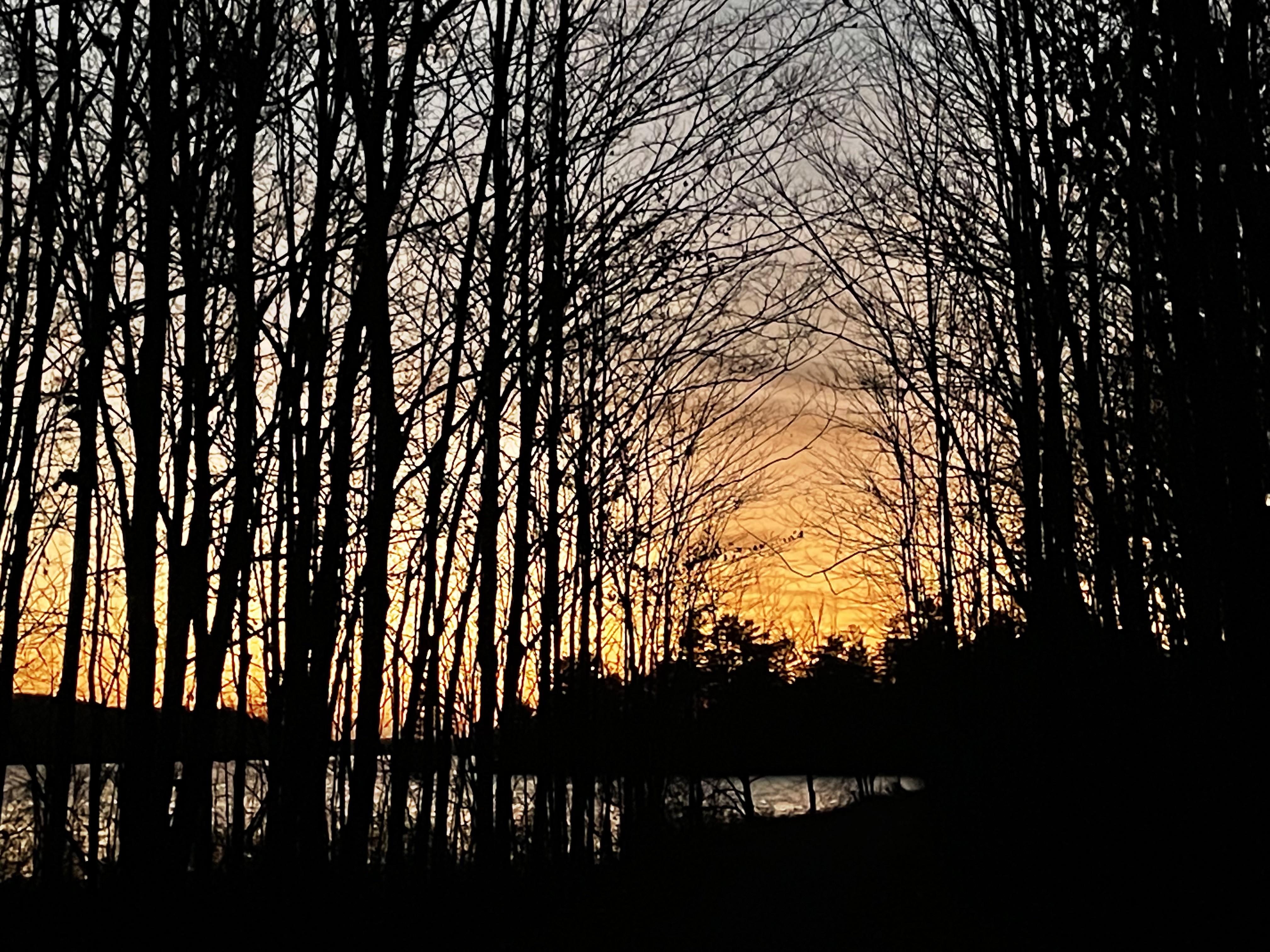
I saw two shooting stars from my hot tub the other night. They blazed across the sky above the treetops and disappeared in the dark sky, leaving faint wispy trails in their wake.
Since I was a little girl, I’ve wished upon a shooting star. It’s such a special gift to be granted one wish and moment of truth and clarity, deciding how to use it. For years, I would reserve my wish for Dave or the girls, or a sick family member or friend.
Lately I’ve been selfish and using that one precious wish for myself. I can’t tell you what it is, or it won’t come true. But here’s wishing…
This week’s #HappyAct is to make a wish. You never know, it just might come true. Happy apoco-eclipse day tomorrow!
I have a confession to make: I’m a creature of habit.
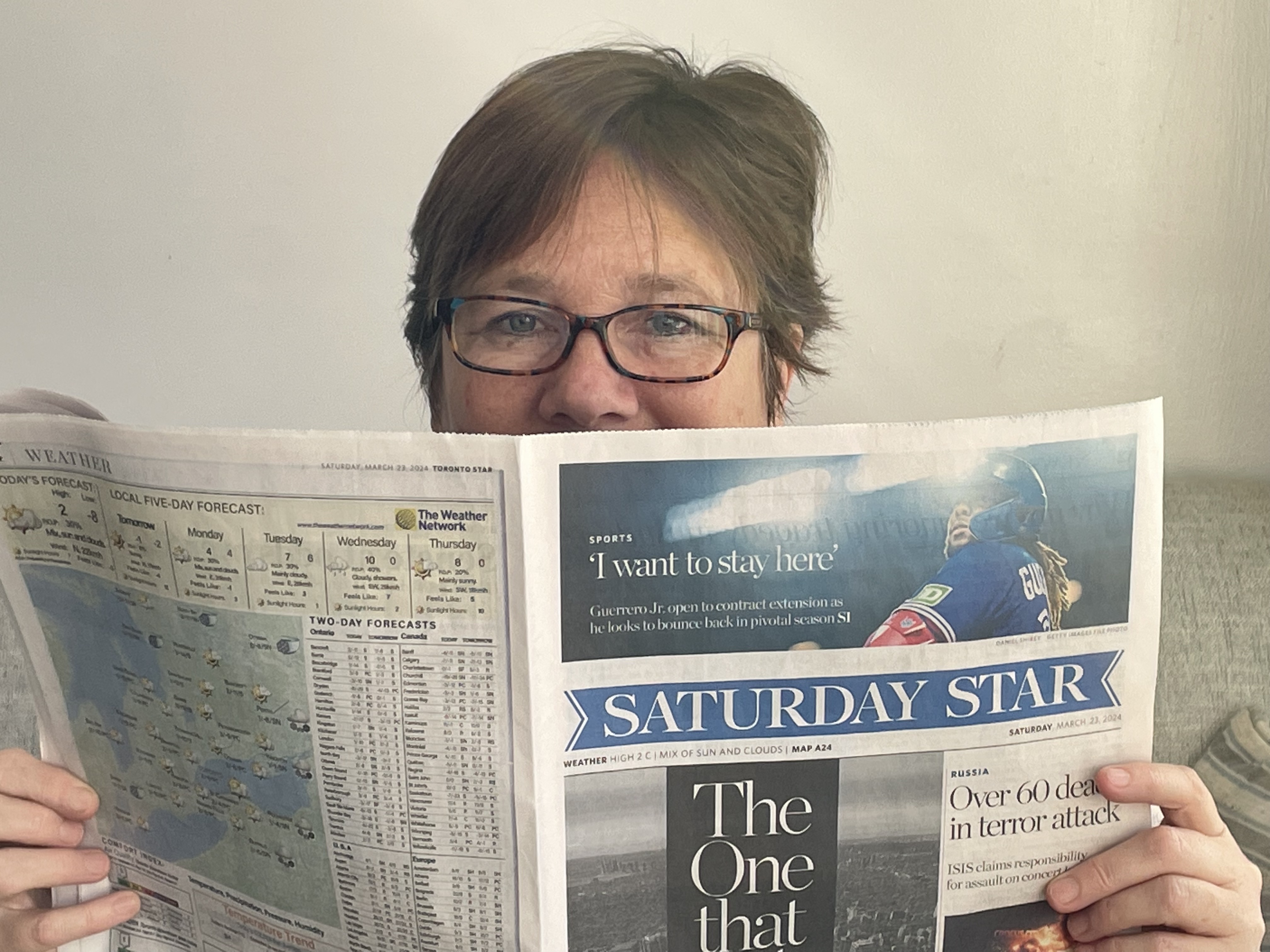
On the weekends, my morning ritual is to sleep in, wake up, grab a coffee and read the morning papers or flyers (yes, I am a dinosaur). Since I’m not a morning person, it takes me at least an hour or two to get moving. Once up, I’m good with starting my day, whether that’s running off to hockey, walking the dog, meeting a friend for coffee or working around the house.
I come by this trait honestly—I inherited it from my father who was the very epitome of routine. Dave used to say you could set your watch by Dad and know the exact hour and minute when he would walk the dog, read the papers and have his first rye of the day.
I used to feel like I had to apologize for my habitual tendencies until I read an article from Northwestern Medicine linking the positive mental and physical health benefits of having routines. The article stated having a routine can help with stress, sleeping better, eating healthier and being active. Routines can help us achieve balance in our lives and make time to do the things we love and that keep us healthy.
Of course, my routines are the butt of my family’s jokes, but even that has become weirdly predictable and reassuring.
I couldn’t care less about the science and what my family says. For me, there is just something so comforting and relaxing about the routines I love. They are a safe haven in a crazy world. Even writing this blog on Sunday mornings has become a welcome routine.
This week’s #HappyAct is stick to your guns and the routines you love. Gotta go. My second coffee of the morning awaits.
Get ready, the apoco-eclipse is coming Monday, April 8. Here in southeastern Ontario, we are in the
….PAAAATH…..OOOFFF…..TOTALITY (said with a low booming echoing voice for maximum effect.)
For a whopping three minutes, the moon will pass in front of the sun and the earth will be in total darkness during the middle of the day, from 3:22 to 3:25 pm to be exact in South Frontenac.
From all the warnings and hype about massive traffic snarls and millions of visitors expected in the region, you’d think the world is coming to an end. My retinas are already burning from reading all the warnings about not looking at the sun directly and how to view the eclipse safely.
Granted this is a once-in-a-lifetime event. The last total eclipse in North America was in 2017 over the northwest US, but back then the eclipse’s path just 71 miles wide, compared to 122 miles AND the total time the moon completely covered the sun was just 2 minutes, 40 seconds compared to over 3 or four minutes this time depending on where you live.
I wasn’t sure just how big a deal this was, so I decided to ask an expert, my old high school buddy Brad Gibson, Professor and Director of the E.A. Milne Centre for Astrophysics at the University of Hull in England. Brad does presentations and TedTalks on subjects like will we ever live on Mars, the top 10 coolest things about outer space and are we alone in the universe?
Being the cool astrophysicist dude he is, Brad confirmed that “a total solar eclipse is always a blast”. He said they aren’t all that rare if you look at planet Earth as a whole since once every 18 months there is a total solar eclipse somewhere on the planet. In any given city, it’s more rare, like once every 300 years. I asked Brad what he’ll see in the UK and he said they’ll see a partial eclipse with about one-third of the sun blocked.
I also didn’t know that some weird and wonderful things can happen during an eclipse too. Animals can get confused thinking it’s nighttime, radio waves have been known to become scrambled, and seconds before totality, you may see shadow bands, or wavy strips of light and dark dancing on the ground like water at the bottom of a swimming pool.
During the time of total darkness, you may also see the stars and planets, especially Venus and Mars. Now that’s cool.
Personally, I’m more of a northern lights, super moon, meteor shower kind of gal. The nighttime celestial shows outshine any daytime event, even the apoco-eclipse, throwing it into the shade.
This week’s #HappyAct is to get your ISO-certified eclipse glasses and get ready to enjoy the spectacle on April 8. And for those nighttime celestial lovers out there, they say tonight’s a good night to see the northern lights.
This Wednesday, March 20 is the International Day of Happiness. The day was declared by the UN in 2012 to recognize that happiness is a fundamental human right and to encourage nations and individuals to spread happiness and make happiness a priority.
The theme the UN has chosen this year is #HappierTogether. Here is a picture from their photo album of people from all over the world smiling, happier together.
It’s such a poignant theme. As individuals and societies, we’ve withdrawn from human connection, partly out of necessity from COVID-19, but also self-imposed.
Technology has only exacerbated this trend. We delude ourselves into thinking we’re more connected now by cell phones and technology, but these devices have somehow divided us, becoming platforms for discordant voices and viewpoints or have become something we hide behind instead of doing the real work of connecting with people in person.
Even our work lives have become more isolating with millions of workers now not even leaving their homes to experience human connection.
There are certain groups that are at higher risk of being unhappy in isolation, seniors and youth being two critical demographics.
After COVID, I blogged about “languishing” and wondering why I wasn’t chomping at the bit to get out and reconnect with people again. I concluded that it wasn’t because I had social anxiety and didn’t miss people, I just didn’t have the energy to re-enter the world.
It’s time. Time for us to reach out, be kind to each other, and understand that without human connection, most of us will never truly be happy.
It’s time to find the energy and make a conscious effort to be happier together.
This week’s #HappyAct is to do something to be happier together. Volunteer in your community, invite a neighbour over for a drink, check in on a senior. Post a picture of you smiling this week with people who make you happy and who you enjoy spending time with.
I’ve been a bit more nervous walking at night lately. It’s the strangest feeling and new to me since I’ve always been very comfortable walking at night.
I’m not sure why. Maybe it’s because the coyotes have been very active, with their eerie howls cutting through the stillness of winter nights from across the lake.
For whatever reason, for the first few minutes walking, I’ve felt anxious so I’ve started taking my phone with me. At least this way if I slip and fall and break my other ankle, or the coyotes attack me, they’ll be able to call Dave and let him know where to find my carcass.
As we age, it is only natural to become more tentative and anxious. A few years ago, I had lunch with an elderly friend, and they confessed that for the first time in their life, they were stricken with anxiety. They had confided to their minister, and found talking about it helped, but it was uncharted territory for them and you could tell it had thrown them for a loop.
I’ve never been a worrier—I’ve always considered it a blessing that if Dave was late when the weather was bad or my kids were out god knows where, I never worried about them. But as I age, anxiety is slowly creeping into my psyche bit by bit. I find I need to make a conscious effort to fight through it using deep breathing techniques, telling myself not to worry, and redirecting my thoughts.
Back to my nightly walks…on the nights when I do feel a bit anxious, I power walk through it. With each step, the tiny morsels of fear in my brain recede, and I embrace and revel in the beauty of the night, the magnificent stars in the sky, and the black silhouettes of the pine trees illuminated by the soft glow of the moon.
I stop and listen for sounds of the woods. There is stillness all around me. I hear an owl swooping up into the trees. His mate hoots in the distance. I am calm and the feeling of anxiety has passed.
As a communications professional, I’ve always believed my greatest skill was the ability to listen and ask questions.
It has served me well in my career. In the age of artificial intelligence, I predict the ability to ask good questions will become the most important skill crossing nearly every profession.
In case you haven’t experimented with ChatGPT or any of the AI programs yet, the way it works is you ask a question, and the program uses machine learning to generate information. Just like any program, the quality of the output is 100% determined by the quality of the input. The more detailed, descriptive and targeted the prompt, the more accurate and helpful the result.
The possibilities are endless, just like the number of results you can receive. I know colleagues who now keep detailed spreadsheets of prompts to ask ChatGPT and similar programs. Here is an example of career-based prompts from Chris Donnolly for job hunting, expanding your network or updating your resume, a good one to keep handy since many of us could be out of work soon thanks to AI.
The key is to be as detailed and specific as you can. OpenAI recently unveiled its new video AI generator called Sora. At the launch, CEO Sam Altman asked people to send in prompts for Sora to demonstrate their ability to create videos in seconds. Here is a Twitter/X post with one of the videos based on the prompt:
“Beautiful, snowy Tokyo city is bustling. The camera moves through the bustling city street, following several people enjoying the beautiful snowy weather and shopping at nearby stalls. Gorgeous sakura petals are flying through the wind along with snowflakes.”
Introducing Sora, our text-to-video model.
Sora can create videos of up to 60 seconds featuring highly detailed scenes, complex camera motion, and multiple characters with vibrant emotions. https://t.co/7j2JN27M3W
Scary isn’t it? And just like buyer beware, prompter beware. You can never completely trust the information you receive.
A lawyer in BC recently used ChatGPT to prepare legal briefs in a family law case. The brief cited cases that never existed. She was ordered to pay special costs in the case to opposing counsel and is under investigation by the law society for her actions.
Just like every new technology, we will need to navigate the ethics of AI and find the right balance and place for it in our lives. As I’ve been grappling with how to use it professionally and personally, I’ve decided not to use it for any creative projects unless it is to do research so my own thoughts, words and voice are represented in my work.
This blog is called the #HappyAct for goodness sake, so I thought I would end this week’s post on a positive note. I asked Bing Copilot, “I’m a communications specialist working in a small rural municipality. How much time before my job becomes obsolete due to AI?” I’ve shared the response it gave below.
The final line was “Remember, the future isn’t about humans vs. AI; it’s about humans collaborating with AI to achieve better outcomes. 🤝
Wait a minute. It didn’t answer my question. I guess machines are more like humans after all (time to brush up my resume…)
Bing Copilot response
“As a communications specialist working in a small rural municipality in Ontario, your role involves critical human skills that are not easily replicated by artificial intelligence. Let’s explore this further:
Contextual Understanding: Your job requires understanding the unique context of your municipality, its people, and their needs. AI can process data, but it lacks the empathetic understanding that comes from human experience.
Effective Communication: Your ability to convey information clearly, tailor messages to different audiences, and build relationships is invaluable. While AI can generate text, it often lacks nuance and emotional intelligence.
Creativity and Adaptability: As a communications specialist, you adapt to changing situations, create engaging content, and find innovative ways to connect with residents. AI can’t match human creativity and adaptability
Community Engagement: Building trust and engaging with the community is a core part of your role. AI can’t attend town hall meetings, listen to concerns, or build personal connections.
Ethical Decision-Making: You navigate ethical dilemmas, handle sensitive information, and make judgment calls. AI lacks moral reasoning and can’t weigh complex ethical considerations.
Local Knowledge: Your understanding of local history, culture, and politics is irreplaceable. AI lacks this context.
Predicting obsolescence is challenging, but here’s the optimistic view: AI can enhance your work by automating repetitive tasks, analyzing data, and suggesting content. However, your uniquely human skills will remain essential. As technology evolves, consider upskilling to stay relevant. 🌟
Remember, the future isn’t about humans vs. AI; it’s about humans collaborating with AI to achieve better outcomes. 🤝
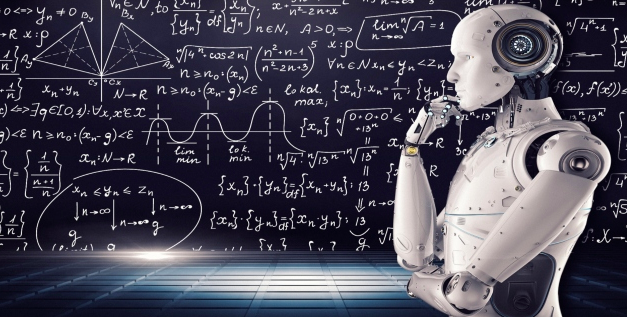
I have a new love-hate relationship in my life and it’s not with a person. It’s with a machine with the initials AI.
Artificial intelligence and machine learning have rapidly inserted itself into our lives. Almost every cloud program I use at work now has AI built into it making my life easier. If I’m designing a flyer, Canva knows exactly how I want to line up elements on the page.
Bing Copilot is my new best friend. If I need some ideas for an interactive exercise to do at a trade booth on recycling or emergency preparedness, I just ask my trusty copilot to come up with some creative ideas.
It wasn’t always this way. I remember my first few run-ins with snarky chatbots (check out my 2019 post, How to make friends with the bots).
But now it seems like we have crossed over to the dark side of AI. Last week, I listened to a webinar featuring Alex Sevigny, Associate Professor of Communications Management and Communication Studies at McMaster University. He said AI adds automation and scale to the digital world we already live in but now “we are moving into a world of machine-learning persuasion and it’s terrifying.”
This world of persuasion includes thieves, virtual influencers created to sell us products, and deepfakes.
Kingston Police recently issued an advisory about a deepfake deception scam, where scammers faked an entire video call. The scammers were able to steal over 200 million Hong Kong dollars by emailing an employee and pretending to be their Chief Financial Officer.
An Air Canada chatbot recently gave a passenger wrong information about a bereavement fare. This in and of itself is not newsworthy (humans give wrong answers all the time). What was newsworthy and concerning was Air Canada said it wasn’t responsible for the information the chatbot gave out. Air Canada argued that its AI-fueled chatbot was “responsible for its own actions” and that the airline can’t be held responsible for what it tells passengers.
Let’s pause for a moment to let that one sink in. A company that programmed a machine is claiming it’s not responsible for the machine anymore because it has a mind of its own.
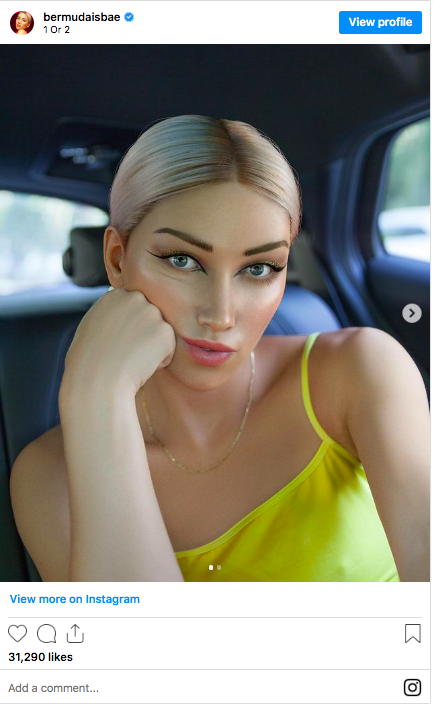
Even more disturbing to me was seeing the whole new crop of virtual online influencers who are trying to persuade us where to shop, what to wear and how to live your lives.
Here’s Bermuda, one of the older virtual influencers. She made her debut online in December 2016 and identifies as a robot woman who wants to motivate young entrepreneurs to go after their business goals and is pursuing a music career, recently releasing a cover of Under the Bridge by the Red Hot Chilli Peppers on Spotify.
Thalasya here travels across Indonesia where she was created exploring its sites and shops. Since travelling is expensive, she funds her hobby advertising for hotels, restaurants and even health pills and has her own clothing store, Yipiiiii.
What the absolutely f**k?
We are officially now living in a world where we can no longer trust what or who we see in the online world.
The ethics of AI will be our next big albatross to slay, but at least we have some giants taking up the fight.
This month, Taylor Swift took legal action against the AI beast after sexually explicit AI graphic-generated images of her were published on Twitter/X and later taken down. Even the White House commented on the story as governments grapple with how to protect basic human rights like privacy and copyright.
We are at the infancy of understanding how AI will impact our society. I’m glad I’m nearing the end of my professional career in communications, but there is one thing I know for certain.
When it comes to my personal life, my default will be to live in the real world where I know people are real and genuine.
Ed note: The above image of myself was generated using an AI image program called Facet AI. I did a quick frame around my face and asked it to make me look 30 years younger. This was the result. I should add just as I was about to publish this week’s post, my handy AI Assistant in WordPress asked me if I wanted to check my spelling and tone before publishing.
Next week: Check back for Part 2: The one skill you’ll need to succeed living in a world of AI
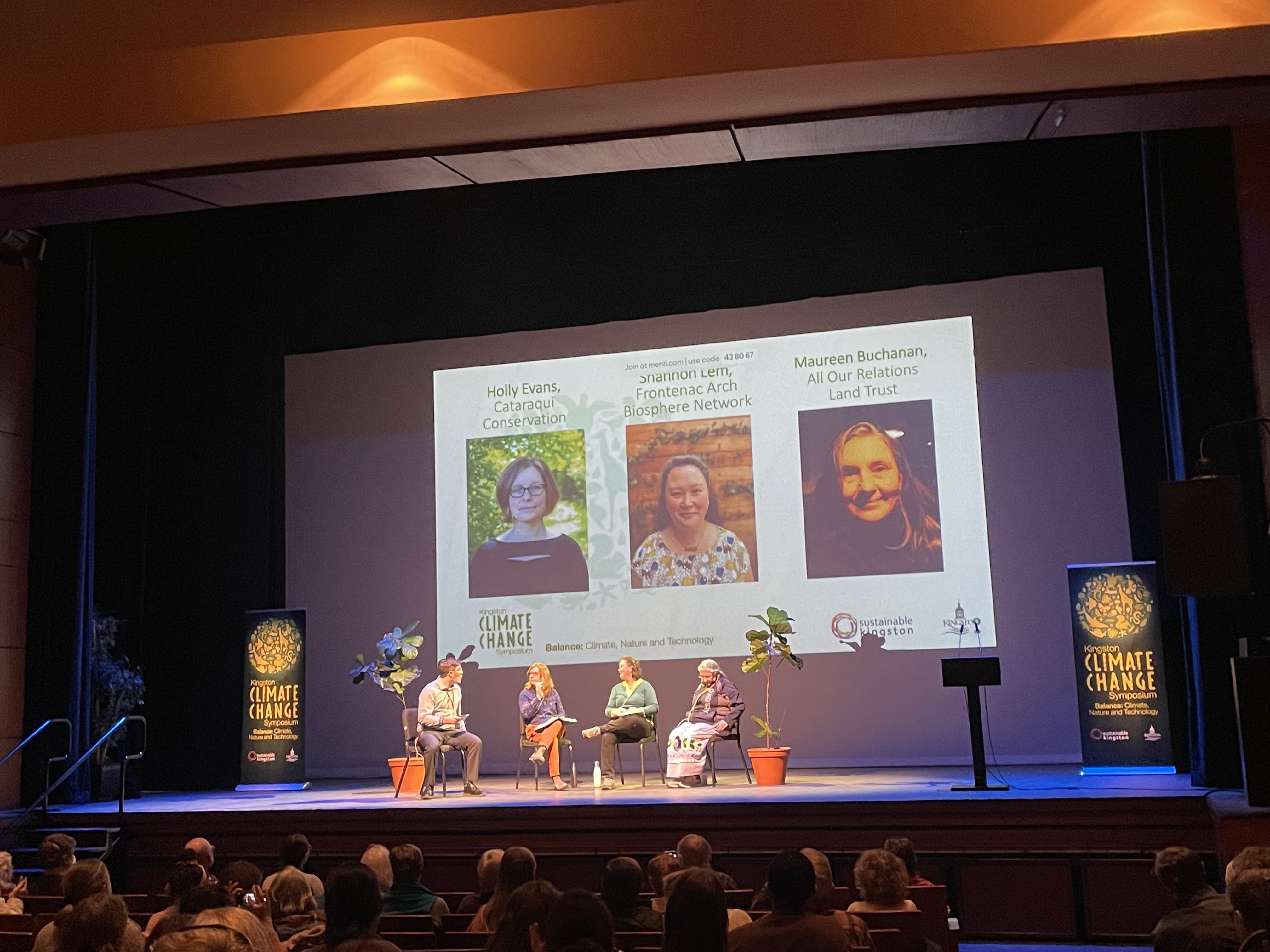
I didn’t expect to walk away from a climate change symposium feeling hopeful.
Hope is a good word. It inspires action.
The seventh annual Kingston Climate Change Symposium was held in person for the first time since Covid at the Grand Theatre at the end of January. More than 400 people from all different walks of life attended. That in itself gave me hope.
The key note speaker was Bob Macdonald from CBC’s Quirks and Quarks and author of one of the latest books on climate change, The Future is Now.
His message was optimistic–we now have the technology and the know-how to solve the climate problem. From micro-nuclear technology, to solar, wind and electricity, we’ve come leaps and bounds in our ability to develop alternative clean energies and make existing energy sources like oil and gas cleaner.
I came away hopeful that we are listening and learning from Indigenous cultures and peoples about how we are all connected to each other and to Mother Earth, and how we need to deprogram ourselves and our colonial attitude to the land and treat it and its creatures with respect and we must approach this work with open minds and open hearts.
I also came away feeling positive about my personal actions in thinking globally and acting locally, from the geothermal heating/cooling system we installed in our house, to buying my first hybrid vehicle, to all the trees I’ve sold and planted in my lifetime, to participating in one of the world’s largest citizen scientist projects, the Christmas bird count every year. One individual’s actions can make a difference.
Macdonald finished his talk drawing a parallel between the world’s response to COVID-19 to our response to climate change. In both cases, the global community had to come together to flatten a curve–in the case of the pandemic, of transmission of the disease and hospitalizations, and in the case of climate change, rising temperatures and greenhouse gas emissions.
During COVID, scientists developed vaccines in record time, governments acted swiftly, businesses pivoted and the populace took action to protect the spread.
The science of climate change and the technology to address it has advanced. We now simply need the collective will of governments, business and people to take action.
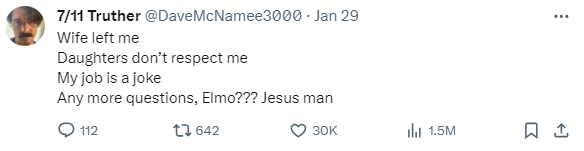
A few days after Bell Let’s Talk Day, everyone’s favourite furry monster from Sesame Street, Elmo asked a simple 9-word question on Twitter (X): “Elmo is just checking in! How is everybody doing?”
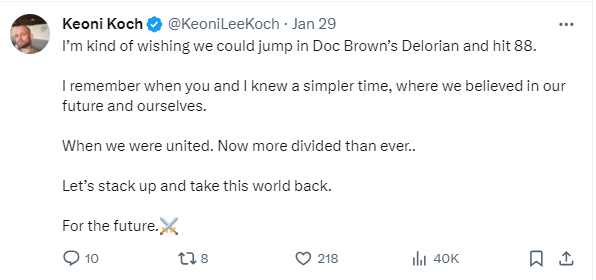
It unleashed a tidal wave of responses, over 55,000 to be exact including celebrities like Chance the Rapper and Rainn Wilson and the usual brands trying to capitalize on what’s trending. They were raw, sad, and hurting. Here were some of the replies.
As I was reading the comments of people pouring their hearts and souls onto the page, I felt tears well up in my eyes. How can there be so many people feeling so sad and hopeless in the world? Even the brands didn’t try to sugar coat it with Oreo leading the pack saying we ran out of milk.
The one that resonated with me the most was the GIF of a stick character in fast motion getting out of bed, going to their computer, working all day, then going back to bed and doing it over and over again. That’s the way I felt when I was working from home during COVID.
Elmo sent this beautiful note to everyone who took the time to respond:
So to all of you reading this who may be feeling sad or disheartened right now, me and Elmo send hugs. I’m giving out free hugs all this week to anyone I see who needs one (the best Valentine’s Day present someone can give).
Here’s to sunnier days, sweeping the clouds away where the air is sweet, friendly neighbours meet and every door opens wide to happy people like you and me.
If you’ve never been to this local homegrown festival that features movies and special events that “spark curiousity, ignite discussion and provide a fresh experience of Canadian film”, you’re missing out. It just keeps getting better and better, with screenings in three downtown theatres and other venues with unique live performances.
There are so many things I love about this festival. First, there’s the films themselves. If you’re like me and want to scream every time you see another Marvel or Avengers sequel or prequel or postquel or whatever they’re calling them, the films you’ll see at the KCFF are a refreshing change. They’ll make you laugh, cry and most of all, think.
Over the years, I’ve seen some incredible films, from the insightful and stirring Scarborough about three families in a low income neighbourhood in Toronto, to the drama Norbourg, the true life story of Vincent Lacroix who defrauded investors of millions of dollars in Quebec, to lovely romantic comedies like The Swearing Jar.
Then there’s the venues and the city itself. The opening night feature film is shown at the Isabel Bader Centre for the performing arts, an amazing venue and The Screening Room in Kingston has done a super job elevating the movie-going experience in an intimate way. The festival is a wonderful excuse to explore downtown Kingston and grab a bite to eat in many of our excellent restaurants.
My favourite part of the festival hands down is the Q&As and guest appearances by the directors, producers, writers and actors. These segments are always fascinating—to see the inner thoughts and workings of the people who bring Canadian film to life and sadly, the barriers and challenges to making films in Canada.
I’ll be spending the next few days checking out all the screenings, but here are a few you won’t want to miss:
The Queen of My Dreams: this year’s festival opener at the Isabel, a moving story about the complicated bonds between a Pakistani mother and her daughter
The Movie Man, the story of the Highlands Cinema in Kinmount, Ontario with a bonus short about our local (and now sadly closed) Classic Video store in Kingston















 Happy Act